──── BLOG |
Animation of a Cell: How We Visualize Cellular Biology
An animation of a cell is not a drawing that moves. It is a 3D environment where structures have volume, where things are at the right scale relative to each other, and where events happen in the order they actually happen.
This guide covers what a cell animation really shows, the structures that carry the story, how accuracy is decided when the source is a model rather than a photograph, when the format is the right tool, and what makes one readable instead of merely beautiful.
What an animation of a cell actually shows
Three things, layered. The environment — cytoplasm, membranes, the crowded, viscous space that most diagrams leave empty. The structures involved in the specific process being explained. And the process itself, as a sequence with a beginning and an end.
The second layer is where most briefs go wrong. A cell contains far more than any one animation should show. Including every organelle because it exists makes the frame unreadable; the piece has to show the structures the process needs and let the rest be suggested by the environment.
The third layer is what distinguishes an animation from an illustration: things happen in an order, and that order is the argument.

The structures that carry the story
Membrane, because almost every cellular story is about something crossing one, binding to one or being released from one. Receptors, because they are where specificity lives and where most drug mechanisms begin.
Vesicles and the transport machinery, because movement inside a cell is rarely diffusion in a straight line. The nucleus when transcription matters, and mitochondria when energy does. Beyond that, each process has its own short list.
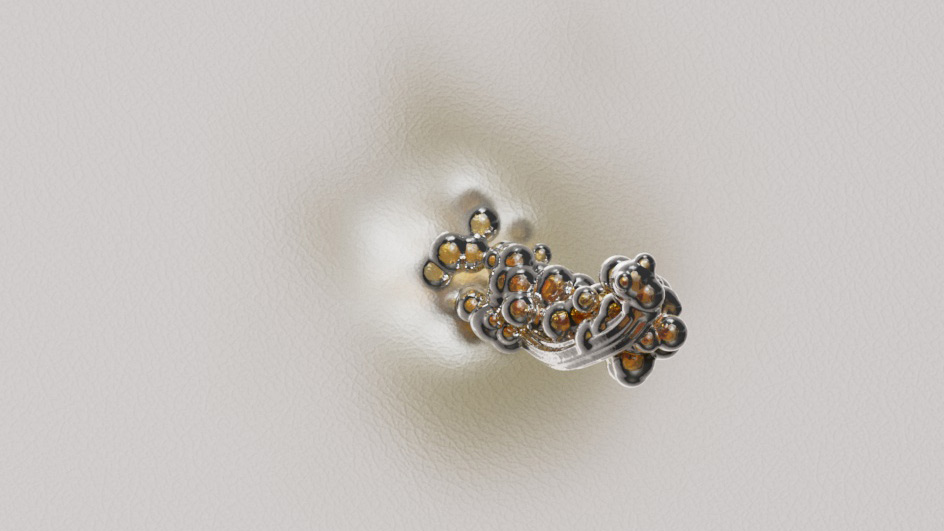
In the exosome work we produced for Germaine de Capuccini, the story is release and uptake, so membrane behaviour is doing almost all of the explaining and the rest of the cell stays deliberately quiet.
How accuracy is decided when there is no photograph
Nobody has photographed what these animations show. Accuracy therefore means something specific: consistent with current literature, consistent in scale between structures, and consistent with what your own reviewer says happens.
So the first deliverable is written, not visual — a sequence of events that the client’s scientific team can argue with before anything is modelled. Colour is a convention, not a fact, and it should be agreed early and then used consistently across every piece in the same family.
What is never acceptable is a shortcut that implies something false: a receptor that is not there, a speed that suggests an efficacy, a scale that makes a molecule look like an organelle.

When an animation of a cell is the right tool
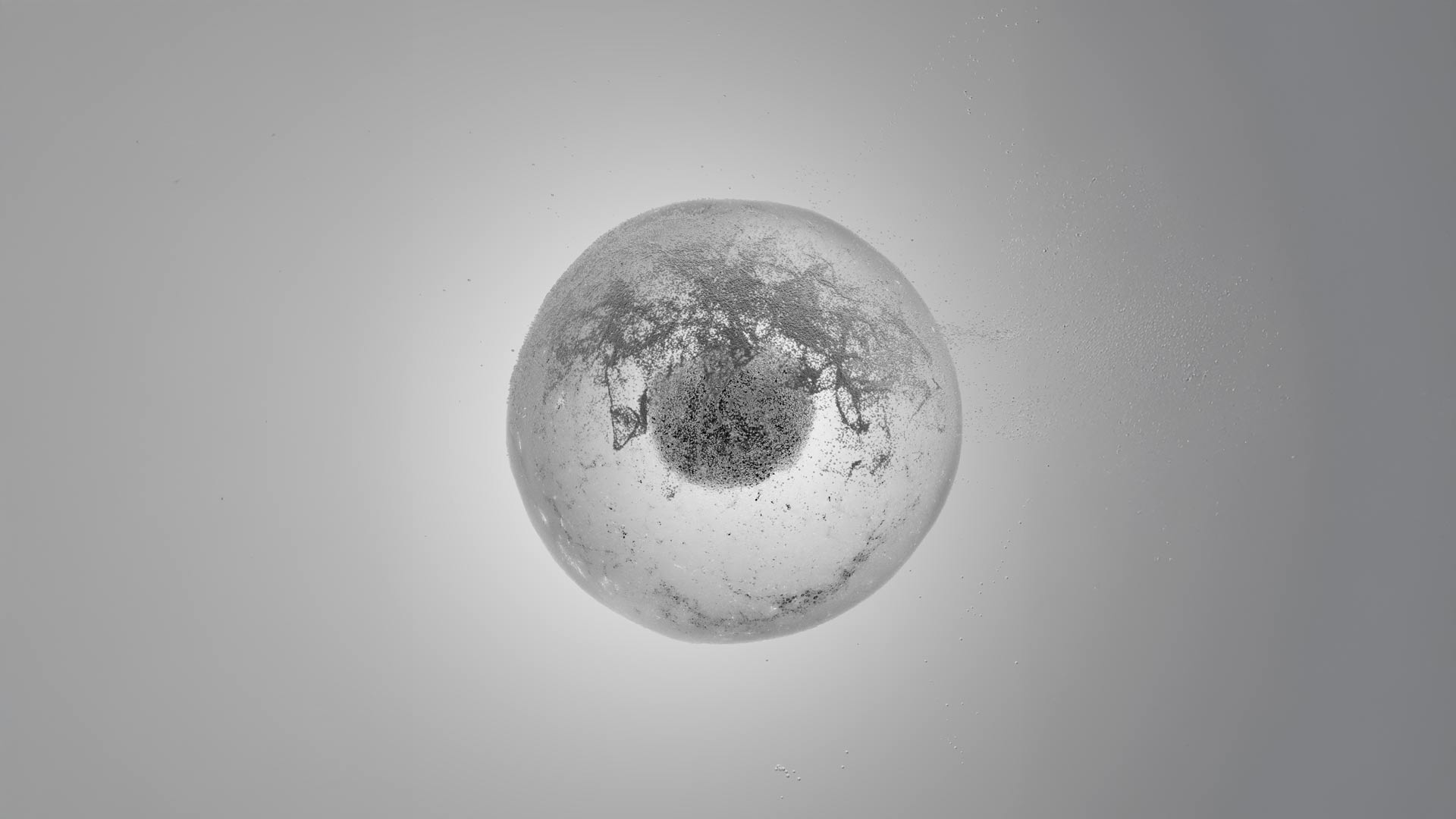
When the process changes over time and the change is the point. When the audience needs to understand a scale they cannot picture. And when the same build will be used more than once — congress, training, web, stills — because the modelling is the expensive part.
It is the wrong tool when the mechanism is a single step, where a well-drawn figure is faster to produce, cheaper to review and easier to put in a paper. We set out that comparison in MOA video vs. static diagram.
What makes one readable instead of just beautiful
Depth of field used to say “look here”, not to look cinematic. Camera moves that follow the process instead of orbiting for its own sake. A pace that leaves the key event on screen long enough to be seen twice.
And restraint with motion: in a real cell everything moves, but if everything moves on screen, nothing is legible. The animation decides what is still so that the viewer knows what matters.

MORE GUIDES

VR for Pain Management: How It Is Used and What It Takes to Build
What Is VR Therapy? Uses, Limits and How One Is Built

3D Body and Face Scanning for Medical Projects: When It Is Worth It
Digital Human and Avatar Technology: How One Is Actually Built
What Is a Digital Human? Uses in Healthcare and Pharma
Virtual Reality in Psychology: What Is Used and What It Takes to Build
What Is a Virtual Patient? Uses in Medical Training
Scientific Infographic Examples for Research and Pharma

Augmented Reality in Surgery: Use Cases Today

VR Surgical Training: How It Works and What It Costs
Contact
Contact Us
Contact
Contact Us
Boston, Massachusetts, USA
T: (+1) 617 351 8477
M: (+1) 484 473 1704
info@pixel-medical-animation.com
Business Hours:
Mon-Fri: 9am-6pm (local time)
How can we help you?

SERVICES
- Medical 3D Animation in Boston
- Medical 3D Animation in Miami
- Medical 3D Animation in Los Angeles
- Medical 3D Animation in Minneapolis
- Medical 3D Animation in New York
- Medical 3D Animation in Raleigh Durham
- Medical 3D Animation in Chicago
- Medical 3D Animation in Texas
- Medical 3D Animation in Seattle
- Medical 3D Animation in Washington DC