──── BLOG |
MOA Video vs. Static Diagram: What Actually Convinces
Every mechanism of action can be drawn. Not every mechanism needs to move. The choice between a 3D video and a static figure is not a question of budget or taste — it is a question of whether what you are explaining changes over time.
This guide sets out when each one wins, the four-question test we use to decide, and what happens when you pick the wrong one.
What a static diagram does better
It prints. It sits in a paper, on a poster, in a leaflet, in a slide that someone will screenshot. It can be studied for as long as the reader wants, and it can be compared side by side with another diagram.
It is also faster to review and far cheaper to change. When a regulator or a medical affairs team asks for a wording change, a figure is edited in an afternoon; an animated sequence may need re-rendering.
For a single-step mechanism — this binds here, therefore that — a good figure beats a video on every axis that matters.
What a video does that a diagram cannot
It shows order. A cascade, a release, a binding event with a before and an after: these are sequences, and a figure can only suggest a sequence with arrows and a caption.
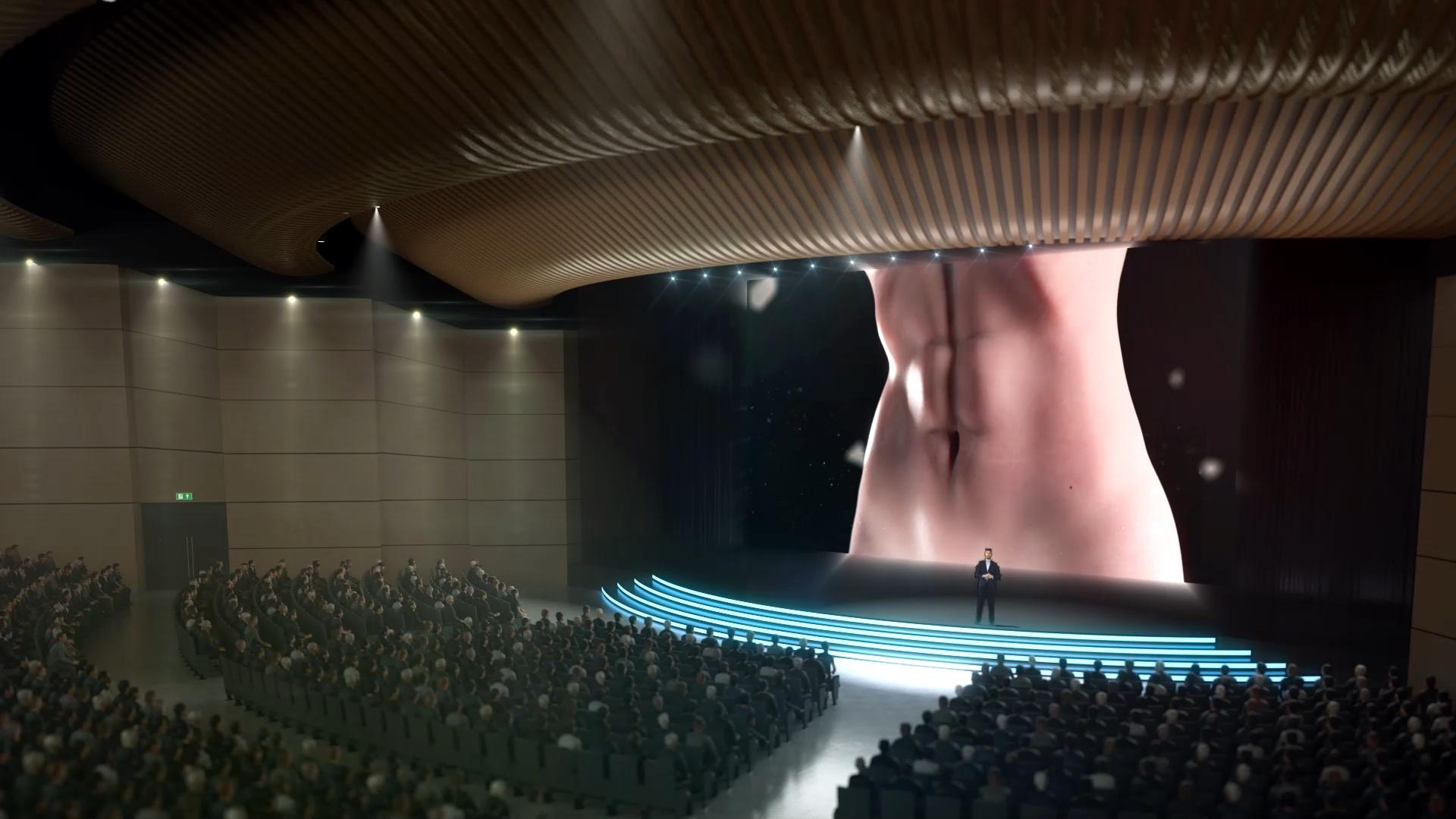
It also shows scale changes. Moving from the organ to the tissue to the molecule in one continuous shot tells the viewer where they are in a way that three separate panels never quite do — which is what the Salvat UVESOL piece had to achieve for delegates at CPHI 2023, in under a minute, standing up.
And it holds attention in places where a poster is ignored: a stand screen, a congress session, a rep’s tablet.
The four-question test
Does it change over time? If no, take the diagram. Does the viewer need to see a scale change? If yes, the video earns its cost. Where will it be used? Print and papers favour figures; screens and events favour motion. Will it be used more than once? Reuse is what repays the modelling.
Two or more “video” answers and the animation is justified. One or none, and you are buying motion you do not need.

The answer is usually both — from the same build
This is the part most briefs miss. A 3D scene built for an animation also produces stills: the poster figure, the slide, the packaging insert, the paper. They are frames of the same model, consistent with each other by construction.
So the real decision is rarely “video or diagram”. It is “build once and take both out, or produce them separately and hope they match”. Deciding that before production costs nothing; deciding it afterwards means rebuilding.
What going wrong looks like
Choosing video for a single-step mechanism produces an expensive piece that a figure would have explained faster, and that nobody can put in a paper.
Choosing a diagram for a cascade produces a figure covered in arrows, with a caption doing the work the picture cannot — and an audience that nods without following. If your diagram needs a paragraph to be understood, it is a storyboard for a video you have not made yet.

MORE GUIDES

VR for Pain Management: How It Is Used and What It Takes to Build
What Is VR Therapy? Uses, Limits and How One Is Built

3D Body and Face Scanning for Medical Projects: When It Is Worth It
Digital Human and Avatar Technology: How One Is Actually Built
What Is a Digital Human? Uses in Healthcare and Pharma
Virtual Reality in Psychology: What Is Used and What It Takes to Build
What Is a Virtual Patient? Uses in Medical Training
Scientific Infographic Examples for Research and Pharma

Augmented Reality in Surgery: Use Cases Today

VR Surgical Training: How It Works and What It Costs
Contact
Contact Us
Contact
Contact Us
Boston, Massachusetts, USA
T: (+1) 617 351 8477
M: (+1) 484 473 1704
info@pixel-medical-animation.com
Business Hours:
Mon-Fri: 9am-6pm (local time)
How can we help you?

SERVICES
- Medical 3D Animation in Boston
- Medical 3D Animation in Miami
- Medical 3D Animation in Los Angeles
- Medical 3D Animation in Minneapolis
- Medical 3D Animation in New York
- Medical 3D Animation in Raleigh Durham
- Medical 3D Animation in Chicago
- Medical 3D Animation in Texas
- Medical 3D Animation in Seattle
- Medical 3D Animation in Washington DC