──── BLOG |
Virtual Reality in Psychology: What Is Used and What It Takes to Build
Virtual reality has been used in clinical psychology for years, and not as a technological novelty: as a controlled environment. What a consulting room cannot offer — a plane, a height, a crowd, a full supermarket — VR builds, grades and repeats as many times as needed.
This article covers where it is actually being used, why the environment matters more than the headset, what it takes to produce an experience, and when it is not worth it.
Where virtual reality is used in clinical psychology
Graded exposure. The most established application: specific phobias, fear of flying, heights, enclosed spaces. The advantage over in-vivo exposure is not realism, it is control — the therapist sets the intensity, stops it in a second and repeats it without logistics.
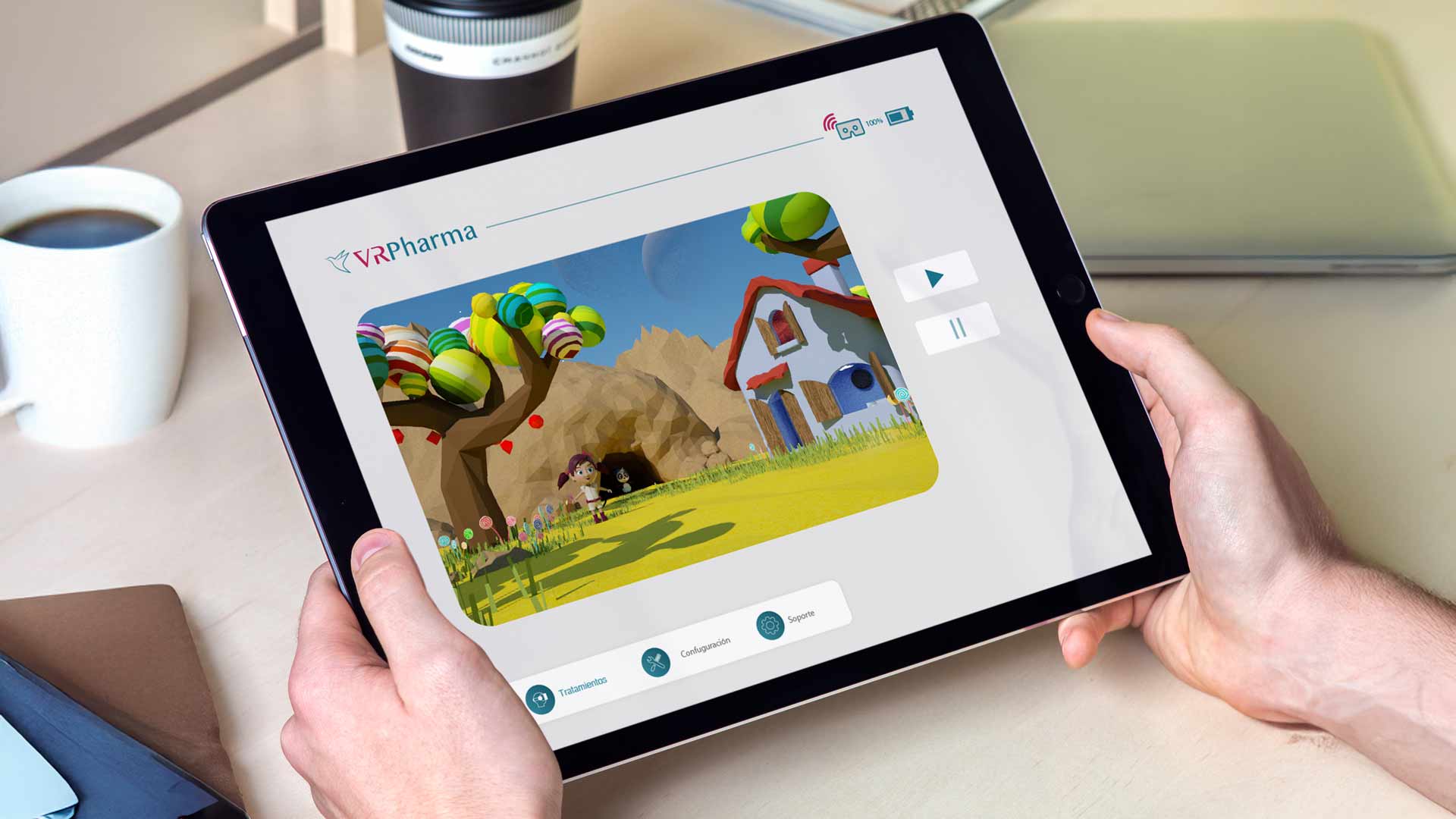
Anxiety and distraction. Environments designed to lower arousal: landscapes, guided breathing, mindfulness. This is the ground of clinical platforms such as VRPharma, which we cover in virtual reality to humanise hospital care.
Social skills and professional training. Interviews, public speaking, breaking bad news. The value is being able to get it wrong without consequences, and repeat.

Why the environment matters more than the headset
The most common mistake when producing VR for psychology is spending the budget on visual fidelity. What holds an exposure together is not that the plane looks real: it is that the plane is gradable — that the therapist can raise and lower the intensity, stop, step back and go in again.
That is interaction design, not rendering. A simple environment with good controls works as therapy; a spectacular one without controls is a demo.
The second thing that matters is duration. A comfortable headset session is short — ten or fifteen minutes — so the content is designed for that format rather than trimmed afterwards.
What it takes to produce a therapeutic VR experience
A protocol before a script. The clinician sets the sequence: what is exposed, in what order, and on what criteria the level goes up. Without that, what gets produced is a landscape.
Clinical validation. Whoever signs off that the experience does what it claims has to be qualified to do so, and that review belongs inside the schedule, not at the end.
Hardware decisions early. With a standalone headset — no computer, no external sensors — the project is manageable outside a lab. If it needs room equipment, that changes the cost, the place and who can use it.
A maintenance plan. Protocols change, and the experience that implements one has to be able to change too. That is not editing a slide, so it is worth budgeting from the start.


When virtual reality is not the answer
When the goal is to inform rather than to expose: a video explains it just as well and reaches more people, for far less.
When there is nobody qualified behind the protocol. And when the environment does not need to be gradable: if looking at something is enough, looking at it on a screen is cheaper and simpler.
Where we fit
We are not a clinical platform: we build the experiences. Modelling, environments, interaction and the application that runs them, working with whoever owns the protocol.
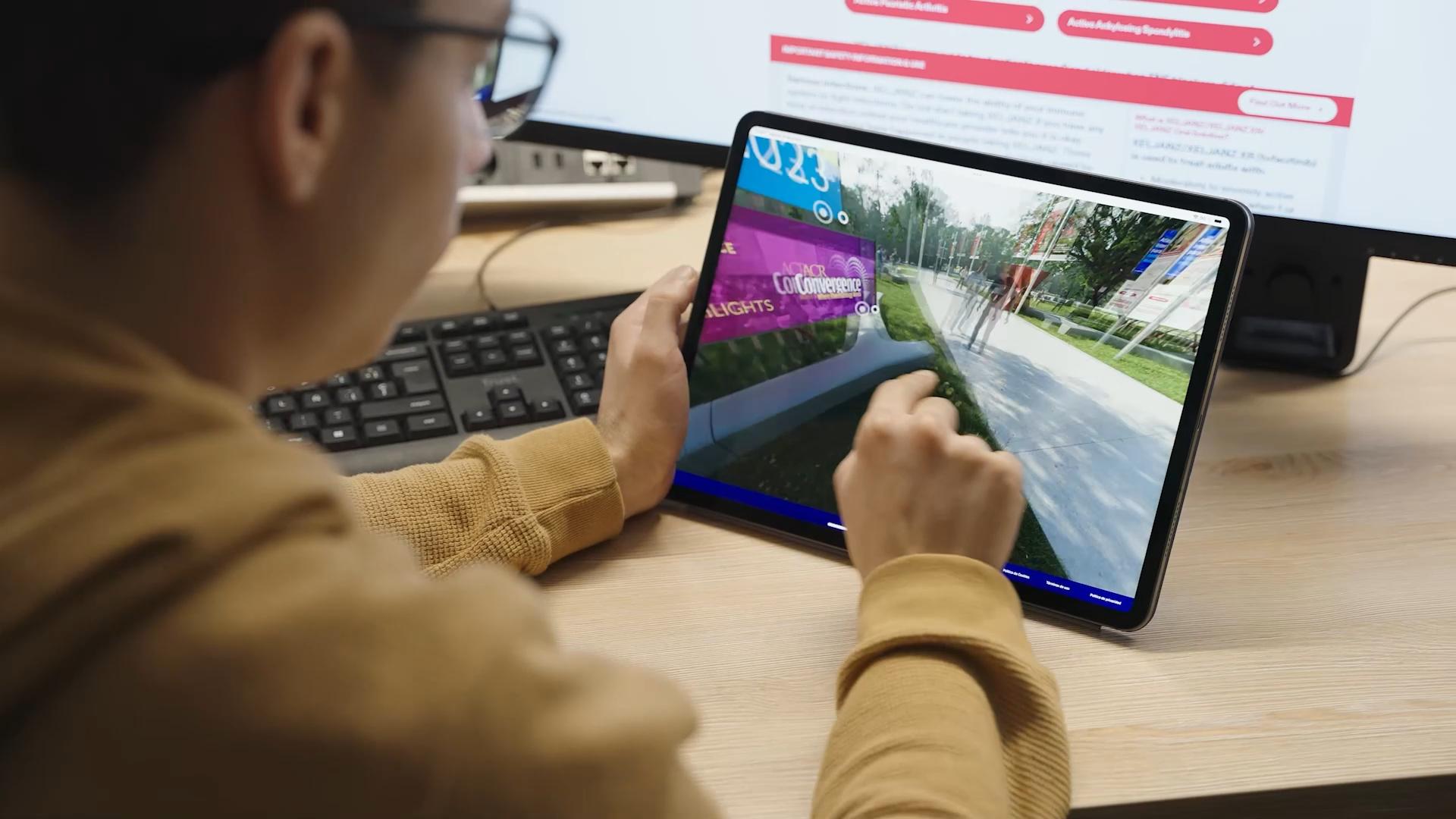
Our medical VR work is in projects such as the Zeiss medical metaverse, the Pfizer virtual fair for the SORCOM congress and the Werfen immersive training: in all three the challenge was the same, making the environment do a specific, measurable job.
MORE GUIDES
VR for Pain Management: How It Is Used and What It Takes to Build
What Is VR Therapy? Uses, Limits and How One Is Built
3D Body and Face Scanning for Medical Projects: When It Is Worth It
Digital Human and Avatar Technology: How One Is Actually Built
What Is a Digital Human? Uses in Healthcare and Pharma
What Is a Virtual Patient? Uses in Medical Training

Scientific Infographic Examples for Research and Pharma

Augmented Reality in Surgery: Use Cases Today

VR Surgical Training: How It Works and What It Costs

Virtual Reality in Surgery: Training, Planning and the Future
Contact
Contact Us
Contact
Contact Us
Boston, Massachusetts, USA
T: (+1) 617 351 8477
M: (+1) 484 473 1704
info@pixel-medical-animation.com
Business Hours:
Mon-Fri: 9am-6pm (local time)
How can we help you?

SERVICES
- Medical 3D Animation in Boston
- Medical 3D Animation in Miami
- Medical 3D Animation in Los Angeles
- Medical 3D Animation in Minneapolis
- Medical 3D Animation in New York
- Medical 3D Animation in Raleigh Durham
- Medical 3D Animation in Chicago
- Medical 3D Animation in Texas
- Medical 3D Animation in Seattle
- Medical 3D Animation in Washington DC