












THERAPEUTIC VR DEVELOPMENT
Therapeutic VR for Pain
and Mental Health
Virtual reality where the headset is the treatment,
not the classroom.
For 25+ years, Pixel Medical Animation has built interactive 3D for healthcare.
Terapy VR is our own work on therapeutic virtual reality applied to pain and anxiety, and Pharma VR is our clinical virtual reality work for pharmaceutical partners. Based in Europe, working with teams across the US every day.
Therapeutic VR Services We Offer
Built to measure, designed with clinical criteria, and always as a complement to care rather than a replacement for it.VR for Pain Management and Distraction
Immersion captures attention and reduces the perception of pain, which is why VR is used in pain management during invasive procedures and long sessions. See the Terapy VR projectVR for Anxiety Before a Procedure
Pre-operative anxiety and the waiting time around a procedure, addressed without medication. Explore medical virtual realityPaediatric VR
Vaccination, cannulation and procedures where a child cannot be reasoned with, only distracted. One of our own projects is exactly this. See our VR workVR for Pharma and Clinical Partners
Programmes built with a pharmaceutical partner around a therapeutic area, as in our Pharma VR work. See the Pharma VR projectVR in Psychology and Mental Health
Phobias, exposure and relaxation environments, as a tool inside a treatment led by a clinician. Read about VR in psychologyEnvironments, Not Games
Calm, pacing and visual load decided with clinical criteria. A therapeutic environment is not a short game with nicer scenery. Explore serious gamesTherapeutic VR for Pharma, Hospitals, Clinics & Mental Health

Pharma & biotech
Programmes around a therapeutic area, built with the clinical team that will use them, as in our Pharma VR work.

Hospitals and paediatrics
Distraction during invasive procedures, where the alternative is sedation or a child who will not cooperate.

Clinics and private practice
Pre-operative anxiety, long treatments and the waiting room, addressed without medication.

Psychology and mental health
Exposure and relaxation environments as a tool inside a treatment, never as the treatment itself.
EVIDENCE OF OUR IMPACT
+25
years of experience
+1500
completed projects
+100
clients served
What Is Therapeutic VR? (And When You Need It)
Virtual reality used as part of a treatment rather than as training or marketing: the headset captures attention and changes how a person experiences pain, anxiety or fear, during a procedure or inside a therapy led by a clinician.
The headset is the treatment, not the classroom
This is the line that separates therapeutic VR from every other kind. Here the person wearing it is a patient, not a trainee, and the goal is how they feel and not what they learn.
Immersion is the mechanism
Attention is finite. An environment that holds it leaves less of it available for pain, which is why distraction works during invasive procedures and long sessions.
Clinical criteria, not game design
Pacing, visual load, sound and how the session ends are decided with the clinician. A therapeutic environment is not a short game with nicer scenery.
During procedures
Vaccination, cannulation, dialysis, dressings, oncology sessions: moments that are long, uncomfortable and impossible to shorten.
Before and around surgery
Pre-operative anxiety and the waiting time, where the alternative is usually medication or nothing at all.
Inside a psychological treatment
Exposure, relaxation and controlled environments, always as a tool a clinician uses and never as a treatment on its own.
BENEFITS OF THERAPEUTIC VIRTUAL REALITY
It works without medication
Distraction and immersion change how a procedure is experienced without adding anything to what the patient is already taking.
It is reusable from the first session
Once the environment exists, every session afterwards costs nothing. Few things in a hospital behave that way.
It works where reasoning does not
A child during a vaccination cannot be talked out of being frightened. They can be taken somewhere else.
It is measurable
Session length, completion and what the patient reports afterwards can be recorded, which is what turns a pilot into a programme.
It is built with the people who use it
The clinician decides the pacing and the limits, which is also what makes the programme defensible inside a hospital.
Why Choose Us for Your Therapeutic VR
Scientifically Accurate, Reviewed by Experts
Your R&D and medical-affairs teams won’t have to fix our science. We build every animation on your data and source material, review it with specialists, and represent mechanisms and anatomy faithfully, down to the molecular detail.25+ Years of Experience with Leading Pharma & Medtech
We’ve delivered work for Hipra, Grifols, Salvat, AstraZeneca, Pfizer, Zeiss, Abbott, Medtronic, and Novartis, among others. Three decades inside the medical field means we already speak your language, clinical, regulatory, and commercial.Full-Service, In-House Team, From Concept to Delivery
Concept, scientific design, 3D animation, programming, and final delivery all happen with one team. You brief once, coordinate one partner, and receive every format you need.
Our Clinical and Interactive 3D Work by Field
Browse our work by field — oncology, cardiology, dermatology, ophthalmology, orthopedics, and more — to see how we handle the science in your specialty.
Anatomy
We recreate human anatomical structures with visual precision and medical rigor, supporting teaching, outreach and clinical practice.
Genetics
We represent mutations, genetic inheritance and gene editing, helping to understand how genetic information influences health and personalized medicine.
Immunology
We illustrate how the immune system works and how the body responds to viruses, bacteria or vaccines, facilitating scientific and medical communication.
Biotechnology
We showcase biotech applications and genetic engineering processes, from cellular manipulation to the creation of new drugs or biological materials.
Oncology
We represent tumor development and the action of oncology therapies, visually explaining research and advances in cancer treatment.

Cardiology
We animate the functioning of the heart and circulatory system, showing pathologies, surgeries and the effects of cardiovascular treatments.
Neuroscience
We visualize the brain and nervous system in action, from neuronal transmission to the effects of drugs or neurological therapies.
Medical devices
We create animations that show in detail how medical equipment, prostheses and advanced healthcare technologies work—both internal and external.
Our Portfolio & Showreel
The fastest way to judge a medical animation studio is to watch its work. Here’s ours.
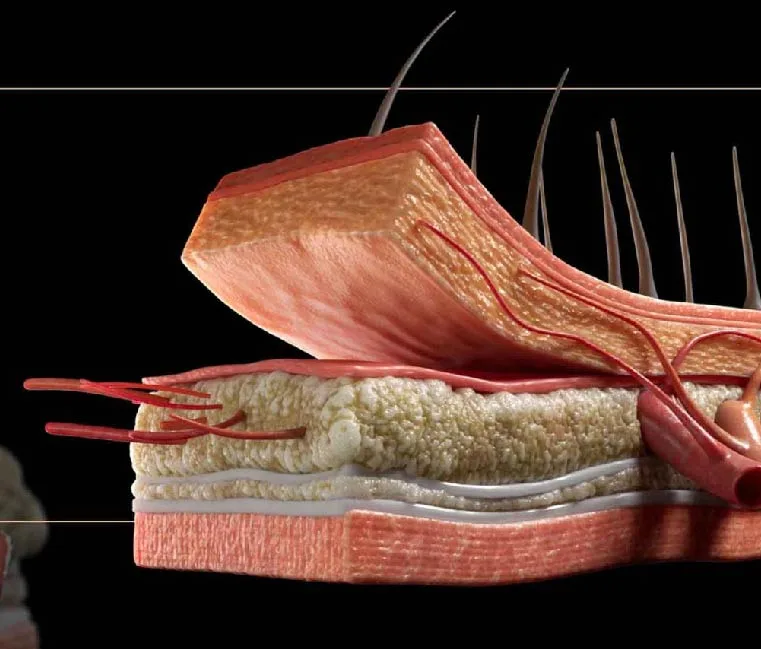
Clínica J.Mir
3D surgical animation created for the Renuvion Summit in Las Vegas, combining advanced anatomy visualization and virtual surgery.

Salvat
3D animation of the UVESOL mechanism of action, presented at the CPHI 2023 pharmaceutical congress.
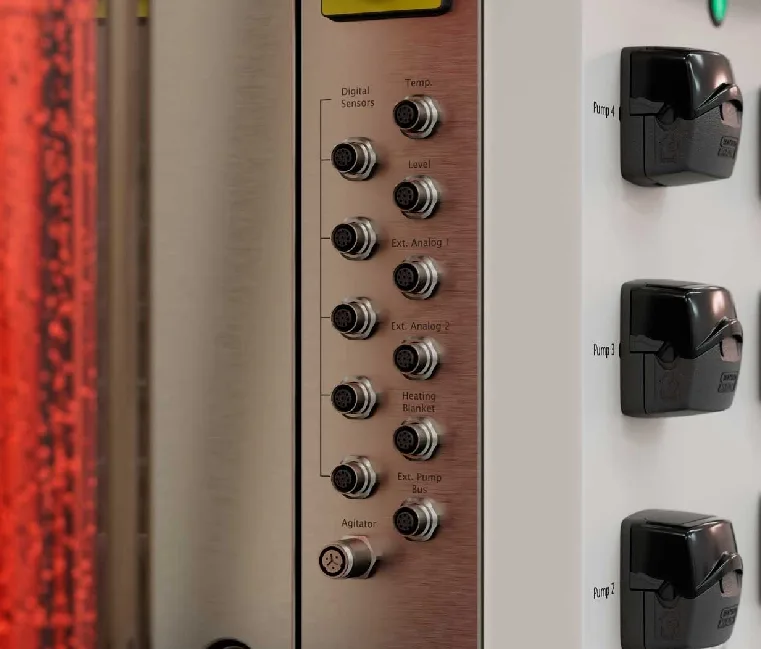
Bionet
3D animation showcasing the functionality of the F1 bioreactor, improving both technical and commercial communication.
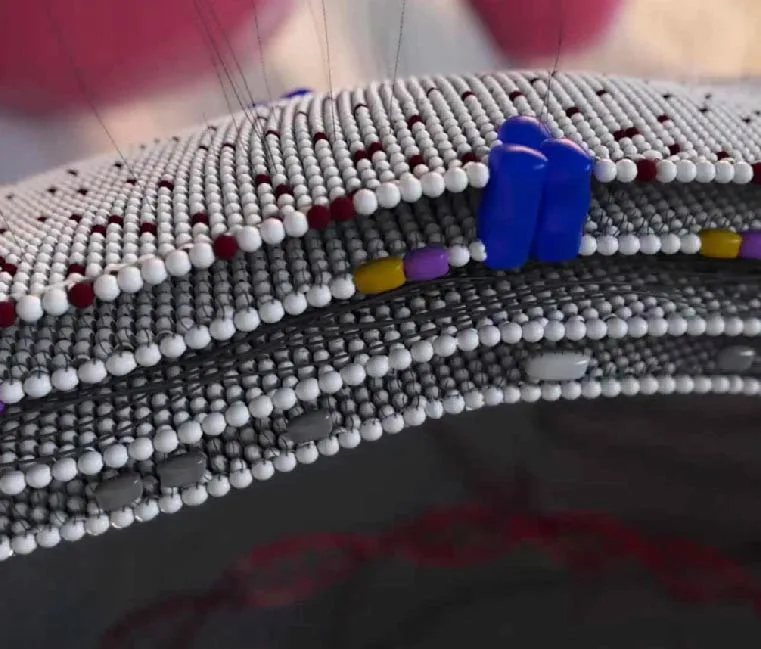
Hipra
3D animation of the mechanism of action of Bimervax, HIPRA’s recombinant protein vaccine against COVID-19.
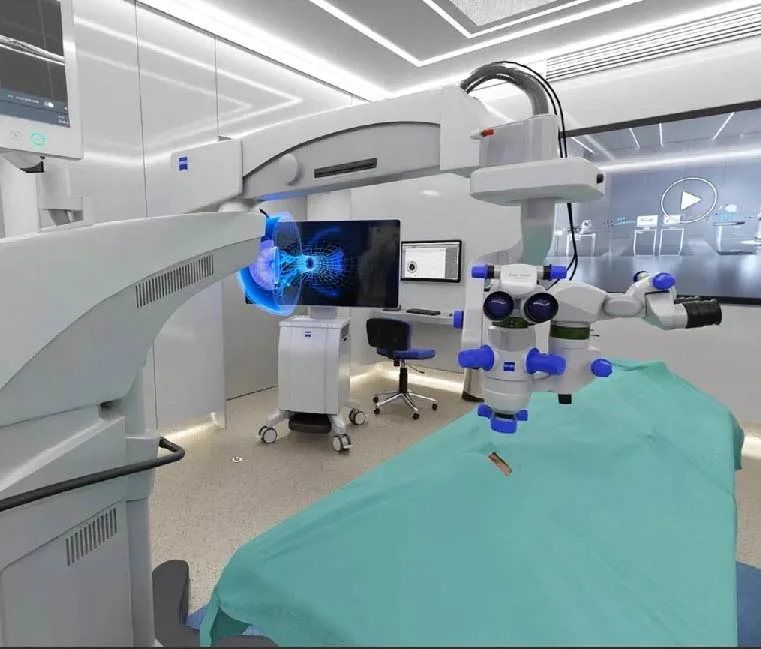
Zeiss Medical Technology
Medical metaverse in 3D developed for the SEO 2022 Congress to present ophthalmic surgical microscopes.
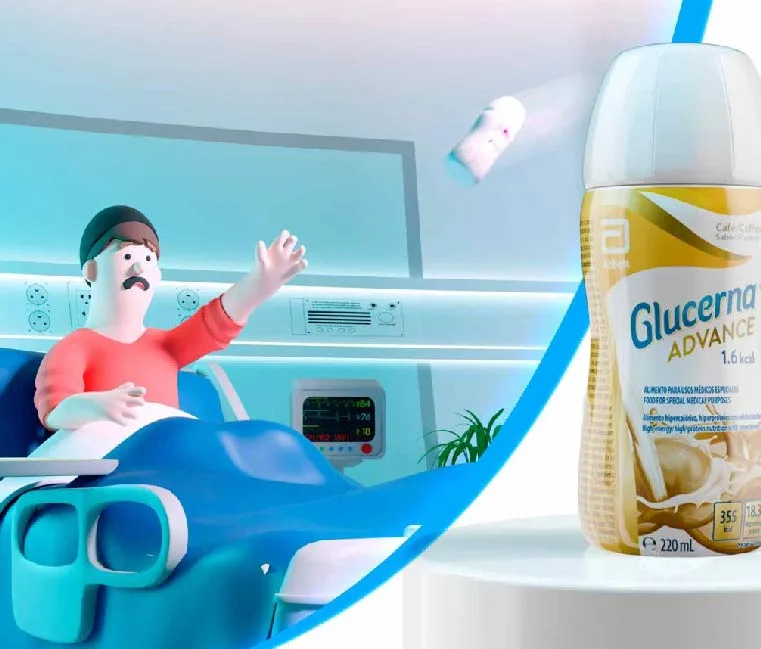
Abbott Laboratories
3D serious game presenting the nutritional supplement Glucerna at the SEMDOR congress in Seville.
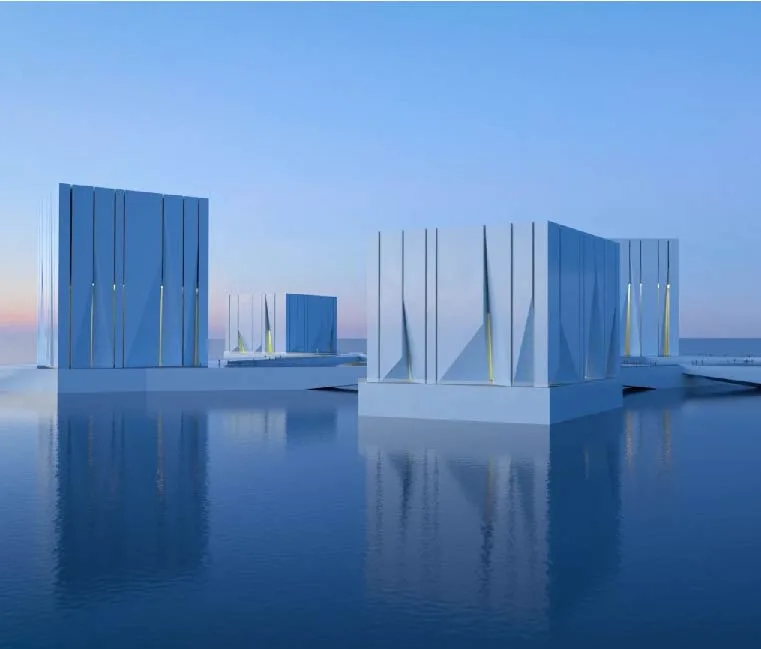
Zeiss Medical Technology
Design of 3D virtual hospital environments to showcase workflows and improvements in medical facility efficiency
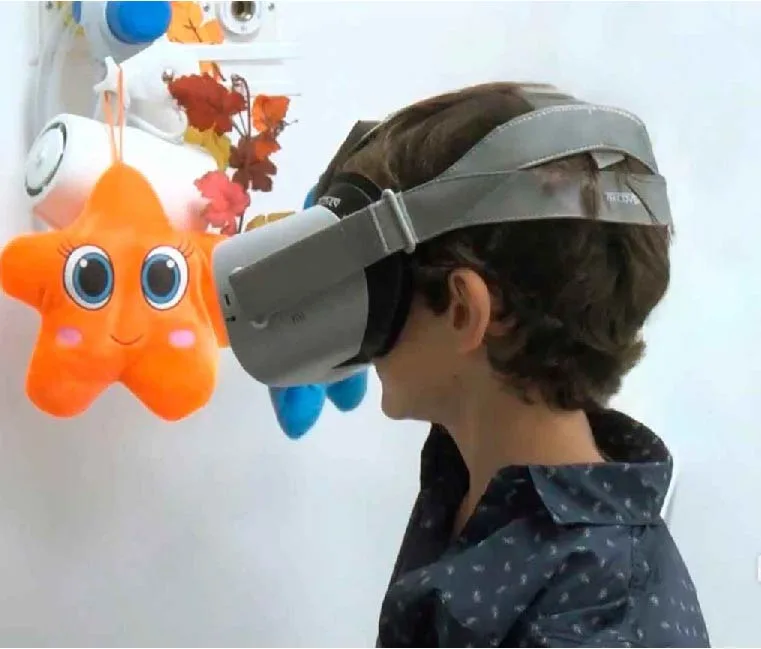
VR Pharma
Virtual reality solution to reduce anxiety and pain in pediatric patients during medical procedures.
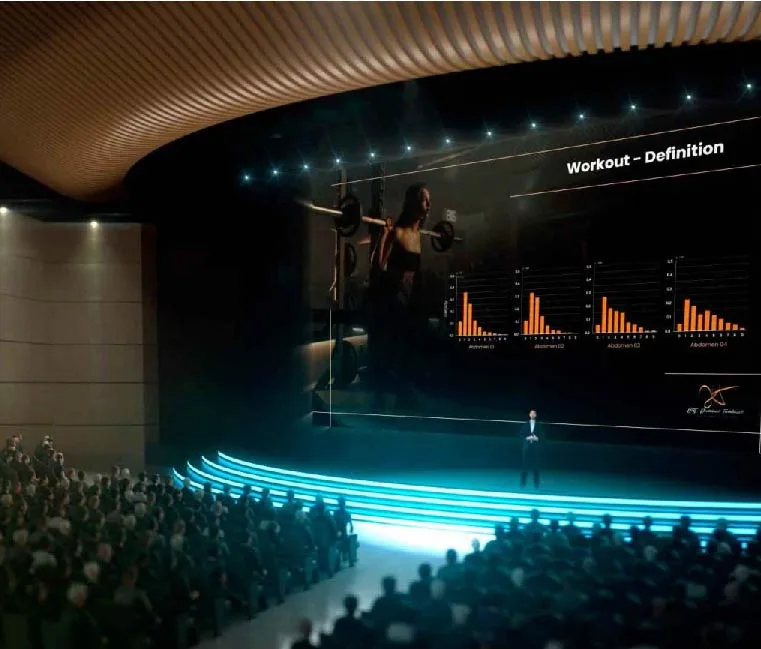
Clínica J. Mir
3D visualization of health data for monitoring vital signs in interactive digital environments.
WORK PROCESS
1
Brief & kickoff
We start from your data, goals, audience, and deadline. You bring the science and the message; we tell you what’s possible and how to make it land.
2
Script & storyboard
We turn the science into a clear narrative and a visual plan you approve before any animation begins, so everyone’s aligned while changes are still cheap.
3
Style frames & 3D modeling
We lock the visual style and build accurate models of your molecule, device, or anatomy.
4
Animation & production
We animate, light, and render in structured review rounds, so your medical, legal, and marketing stakeholders can all sign off in step.
5
Delivery in every format
You get the master plus every version you need — congress, web, social, sales, subtitled, or interactive.
Timelines & What to Expect
Factors That Determine the Price of a Therapeutic VR Project
What has to be built, how long a session lasts and who has to validate it are most of the difference. These are the factors that move the figure.
How much environment has to be built
A single calm environment and a programme with several scenes, progressions and difficulty levels are different amounts of work.
Session length and structure
A five-minute distraction during a procedure and a programme of repeated sessions are two different builds, not two finishes.
Clinical validation
A clinician has to sign off that the environment is appropriate for the patient and the moment. That review is part of the schedule.
Hardware and where it runs
A standalone headset, a tethered one or a tablet fallback for patients who cannot or will not wear a headset are separate decisions, taken at the start.
Deployment, training and support
Setting up the headsets on the ward, training the staff who run the sessions and hygiene between patients are part of the project, not an afterthought.
What this Investment Buys You:
Scientifically Accurate
Science that’s accurate and review-ready, not just pretty.Full Ownership
Full ownership of your animation and every deliverable.Every Format, From One Partner
Every format your team needs, from one partner.On-Deadline Delivery
A studio that hits the deadline your project is built around.FREQUENTLY ASKED QUESTIONS ABOUT THERAPEUTIC VR
What is therapeutic VR?
Virtual reality used as part of a treatment: distraction during a painful or invasive procedure, reduction of anxiety before surgery, or controlled environments inside a psychological therapy. The person wearing the headset is a patient, not a trainee.
How is it different from VR training or VR marketing?
By who wears the headset and why. In training the goal is that somebody learns; here the goal is how somebody feels. The technology is the same and the design criteria are not.
Does it replace medication or treatment?
No, and no serious project claims that. It is a complement, used alongside care and decided by the clinical team. Anything presented as a replacement for treatment should be treated with suspicion.
Does it work with children?
It is one of the clearest applications, because a child during a procedure cannot be reasoned with but can be absorbed by something else. Our own paediatric work is exactly this.
What hardware is needed?
Usually a standalone headset that needs no computer and no external sensors, because on a ward nobody is going to set up a tracking system. Hygiene between patients is part of the decision.
Who validates that the environment is appropriate?
The clinical team. Pacing, visual load, sound and how a session ends are clinical decisions, not design ones, and they are taken before production.
Can the results be measured?
Session length, completion and what the patient reports can all be recorded. That is usually what a hospital needs in order to move from a pilot to a programme.
How long does a therapeutic VR project take?
Between six and sixteen weeks depending on how many environments are needed and how many rounds of clinical validation the programme requires.






——— GET A QUOTE ———
Get a Quote for Your Therapeutic VR Project
Tell us your project, your audience, and your deadline. We’ll come back with a clear approach and a fixed quote, usually within 48 hours.
Contact
Contact Us
Contact
Contact Us
Boston, Massachusetts, USA
T: (+1) 617 351 8477
M: (+1) 484 473 1704
info@pixel-medical-animation.com
Business Hours:
Mon-Fri: 9am-6pm (local time)
How can we help you?

SERVICES
- Medical 3D Animation in Boston
- Medical 3D Animation in Miami
- Medical 3D Animation in Los Angeles
- Medical 3D Animation in Minneapolis
- Medical 3D Animation in New York
- Medical 3D Animation in Raleigh Durham
- Medical 3D Animation in Chicago
- Medical 3D Animation in Texas
- Medical 3D Animation in Seattle
- Medical 3D Animation in Washington DC