──── BLOG |
What is VR therapy? Uses, limits and how one is built
VR therapy is the use of a virtual environment as a clinical tool, under a protocol, by someone qualified to run it. The headset is not the treatment: the designed, graded, repeatable environment is.
This guide covers what the term covers and what it does not, where it is being used, what a production studio can and cannot claim about it, and what it takes to build one.
What VR therapy is, and what it is not
It is a controlled environment: something a consulting room cannot provide — a height, a crowd, a flight, a distraction strong enough to compete with a painful procedure — built so a clinician can grade it, stop it and repeat it.
It is not a replacement for medication, for a treatment plan or for the clinician. And it is not a headset with a relaxing video on it: without a protocol behind it, that is content, not therapy.

Where it is used
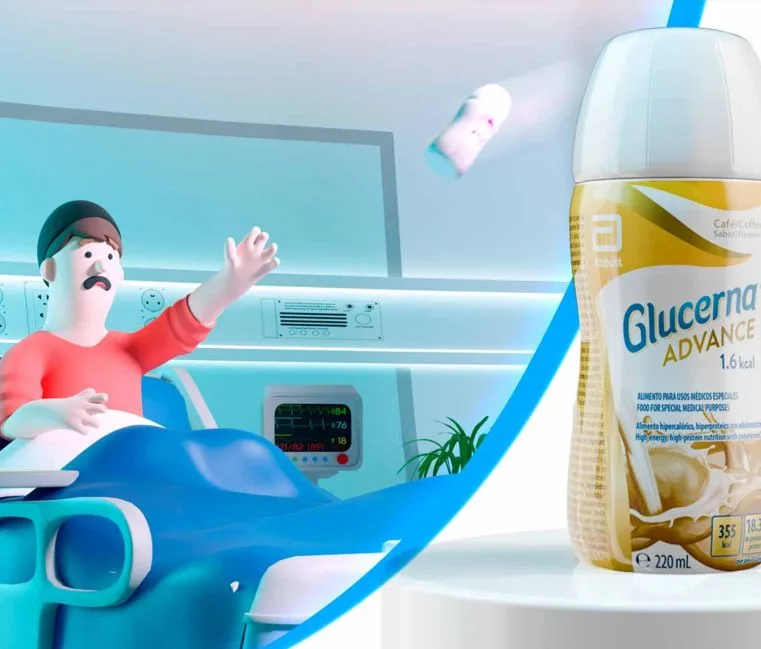
Pain and procedures. Distraction during interventions and dressing changes, and as part of pain programmes. This is the ground of our own Terapy VR work, applied to pain and anxiety.
Anxiety and the hospital experience. Environments that lower arousal before and during a hospital stay, which is what Pharma VR was built around — humanising hospital care.
Graded exposure. Specific phobias and fear situations, covered in more depth in virtual reality in psychology.
Rehabilitation and training. Movement, attention and repetition tasks, where the environment keeps the exercise interesting enough to be finished.
What a studio can honestly claim, and what it cannot
This matters more in VR therapy than anywhere else we work. We build experiences; we do not make clinical claims. Whether an environment produces a therapeutic effect in a given indication is a question for the clinical team and the evidence behind their protocol, not for the people who modelled it.
The evidence base is not uniform either: it is stronger for some uses, such as distraction during procedures and graded exposure, and thinner for others. A piece of marketing that flattens that into “VR treats X” is the fastest way to lose a hospital’s trust.


What it takes to build one
A protocol before a script. The clinician decides what is exposed, in what order and on what criteria the level goes up.
Gradability over fidelity. What holds an exposure together is control — raise, lower, stop, step back — not whether the scene looks photographic.
Short sessions by design. A comfortable headset session is ten to fifteen minutes, so the content is built for that length rather than trimmed into it.
Standalone hardware where possible. No computer and no external sensors keeps the project usable outside a lab.
A maintenance plan. Protocols change, and the experience has to be able to change with them.
When VR is not the answer
When the goal is to inform rather than to expose or distract: a video reaches more people for far less.
When nobody qualified owns the protocol. And when the environment does not need to be gradable — if looking at something is enough, a screen is cheaper and simpler.
MORE GUIDES
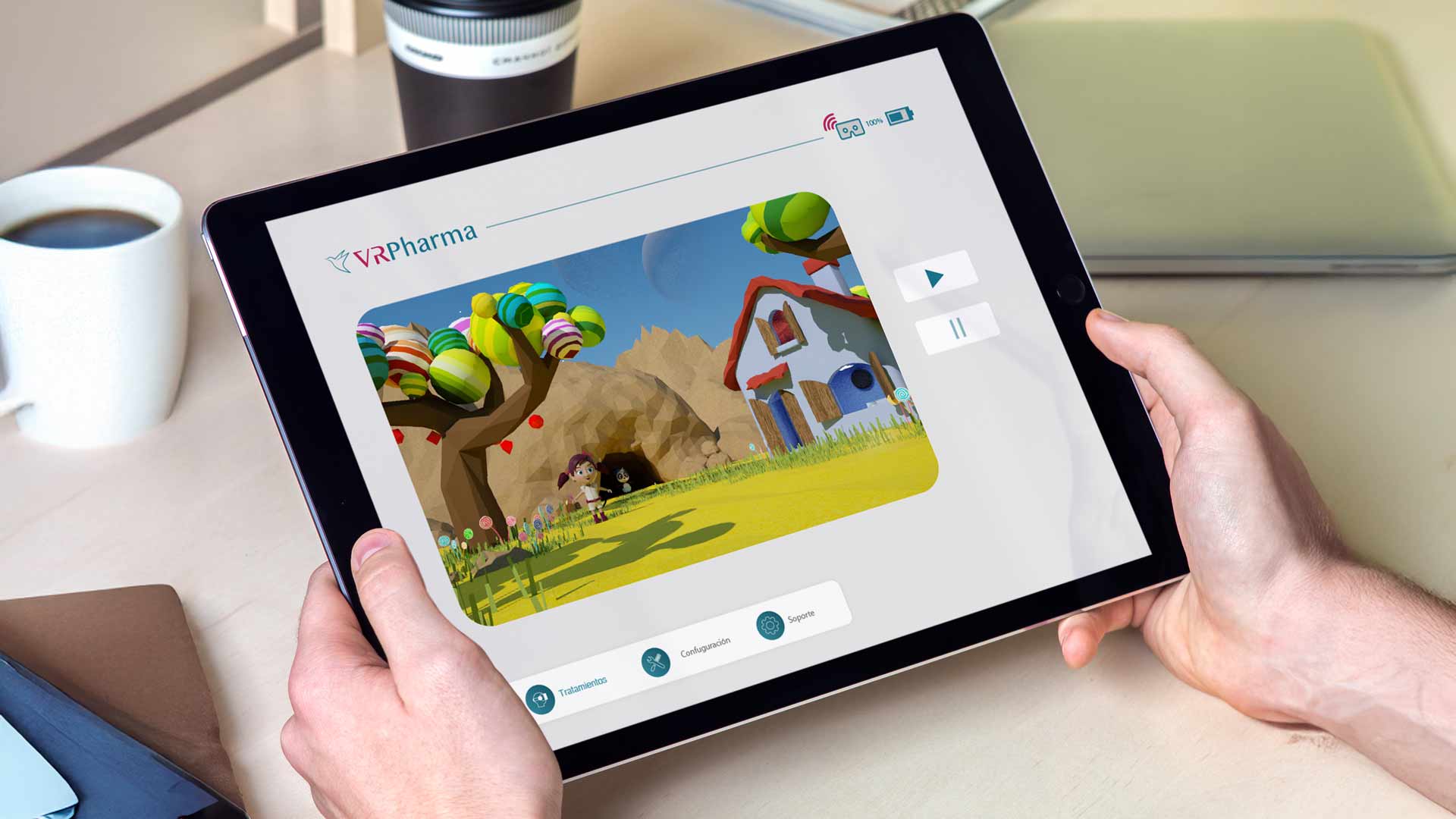
VR for Pain Management: How It Is Used and What It Takes to Build
3D Body and Face Scanning for Medical Projects: When It Is Worth It
Digital Human and Avatar Technology: How One Is Actually Built
What Is a Digital Human? Uses in Healthcare and Pharma
Virtual Reality in Psychology: What Is Used and What It Takes to Build
What Is a Virtual Patient? Uses in Medical Training
Scientific Infographic Examples for Research and Pharma

Augmented Reality in Surgery: Use Cases Today

VR Surgical Training: How It Works and What It Costs

Virtual Reality in Surgery: Training, Planning and the Future
Contact
Contact Us
Contact
Contact Us
Boston, Massachusetts, USA
T: (+1) 617 351 8477
M: (+1) 484 473 1704
info@pixel-medical-animation.com
Business Hours:
Mon-Fri: 9am-6pm (local time)
How can we help you?

SERVICES
- Medical 3D Animation in Boston
- Medical 3D Animation in Miami
- Medical 3D Animation in Los Angeles
- Medical 3D Animation in Minneapolis
- Medical 3D Animation in New York
- Medical 3D Animation in Raleigh Durham
- Medical 3D Animation in Chicago
- Medical 3D Animation in Texas
- Medical 3D Animation in Seattle
- Medical 3D Animation in Washington DC