












VIRTUAL PATIENT SIMULATION
Virtual Patient Simulation
for Medical Training
Interactive 3D patients a trainee can examine, question and treat —
and whose decisions you can measure afterwards.
For 25+ years, Pixel Medical Animation has built interactive 3D for pharma, biotech and medical device companies.
Virtual patients, clinical simulation and serious games, developed in-house with your specialists reviewing the clinical content. Based in Europe, working with teams across the US every day.
Interactive Virtual Patients for Training and Assessment
A virtual patient is not a video of a case: it is a case the learner has to get through. These are the pieces we build.Patient avatars you can talk to
A 3D patient who presents symptoms, answers questions and reacts, so history-taking and communication can be practised instead of read about. See medical avatars and digital humansClinical decision scenarios
Branching cases where the learner chooses, the patient responds, and the consequence is visible rather than explained in a footnote. Explore serious gamesProcedure and device simulation
When the training is about the hands, not the conversation: the trainee performs the steps on the patient with your device. See surgical and VR simulationAnatomy and pathology you can look inside
The same patient, opened up: the mechanism, the lesion or the therapy visualised at the scale the camera never reaches. See 3D medical animationVR, desktop and web
One case, delivered in a headset for immersion, on a laptop for scale, or in the browser when nothing can be installed. Explore medical VRAssessment and metrics
Every choice is recorded: what was asked, what was missed, how long it took. The report is what turns a demo into training. See interactive 3D applicationsVirtual Patients for Med-Ed, Pharma, Medtech & Hospitals

Medical education and universities
Cases that every student goes through identically, as many times as needed, without a schedule or a real patient in the room.

Pharma and HCP training
Train physicians and medical science liaisons on a therapy by letting them treat the patient it was designed for. See MOA animation.

Medical device companies
A virtual patient is where your device gets used. Reps and clinical staff practise the indication, not just the handling. See device animation.

Hospitals and clinical training
Onboarding and protocol refreshers that can be repeated on a night shift, with the same criteria for everyone.
EVIDENCE OF OUR IMPACT
+25
years of experience
+1500
completed projects
+100
clients served
What Is a Virtual Patient? (And When It Beats a Video)
A virtual patient is an interactive 3D person a learner works with: they take a history, examine, decide, and see what happens. A video explains a case; a virtual patient makes someone go through it. Our guide on what a virtual patient is covers the term in more detail. Six situations where that difference matters.
The skill is the conversation
History-taking, breaking bad news, checking adherence: things you cannot learn by watching. The patient has to answer back.
The mistake has to be safe
A learner needs to choose wrong once and see where it leads. On a real patient that is not available; in a simulation it is the point.
The case is rare
The presentation your team sees twice a year can be rehearsed on a Tuesday, by everyone, the same way.
The training has to be identical everywhere
Same case, same criteria, same scoring in every country and every cohort, with no dependence on who is teaching that week.
You need evidence that it worked
Completion is not learning. A virtual patient records decisions and omissions, which is what a training department can actually report on.
The therapy or device needs context
A product is easier to understand inside the patient it treats than on its own. See product animation.
BENEFITS OF VIRTUAL PATIENT SIMULATION
Practice that cannot be scheduled otherwise
A rare presentation, a difficult conversation or a night-shift protocol can be rehearsed any day, by anyone, without a real patient involved.
Mistakes with no consequences
The learner can choose wrong, see where it leads and go back. That is the whole reason simulation exists.
The same case for everyone
Identical content and identical criteria in every country and every cohort, independent of who is teaching that week.
Evidence instead of attendance
Decisions, omissions and timings are recorded, so a training department can report on learning rather than on completion.
Reusable once it exists
A patient, an environment and a scoring engine built once carry the second, third and tenth case at a fraction of the cost.
Why Choose Our Medical Animation Company
Scientifically Accurate, Reviewed by Experts
Your R&D and medical-affairs teams won’t have to fix our science. We build every animation on your data and source material, review it with specialists, and represent mechanisms and anatomy faithfully, down to the molecular detail.25+ Years of Experience with Leading Pharma & Medtech
We’ve delivered work for Hipra, Grifols, Salvat, AstraZeneca, Pfizer, Zeiss, Abbott, Medtronic, and Novartis, among others. Three decades inside the medical field means we already speak your language, clinical, regulatory, and commercial.Full-Service, In-House Team, From Concept to Delivery
Concept, scientific design, 3D animation, programming, and final delivery all happen with one team. You brief once, coordinate one partner, and receive every format you need.
How a Virtual Patient Is Built
We start from your clinical material: protocols, case notes, the criteria for passing. Your specialists agree the script and the decision tree first, then we build the patient, the environment and the logic, and they review at script and at first build — not at the end, when changes are expensive.
Anatomy
We recreate human anatomical structures with visual precision and medical rigor, supporting teaching, outreach and clinical practice.
Genetics
We represent mutations, genetic inheritance and gene editing, helping to understand how genetic information influences health and personalized medicine.
Immunology
We illustrate how the immune system works and how the body responds to viruses, bacteria or vaccines, facilitating scientific and medical communication.
Biotechnology
We showcase biotech applications and genetic engineering processes, from cellular manipulation to the creation of new drugs or biological materials.
Oncology
We represent tumor development and the action of oncology therapies, visually explaining research and advances in cancer treatment.
Cardiology
We animate the functioning of the heart and circulatory system, showing pathologies, surgeries and the effects of cardiovascular treatments.
Neuroscience
We visualize the brain and nervous system in action, from neuronal transmission to the effects of drugs or neurological therapies.
Medical devices
We create animations that show in detail how medical equipment, prostheses and advanced healthcare technologies work—both internal and external.
Medical Animation Portfolio & Showreel
The fastest way to judge a medical animation studio is to watch its work. Here’s ours.
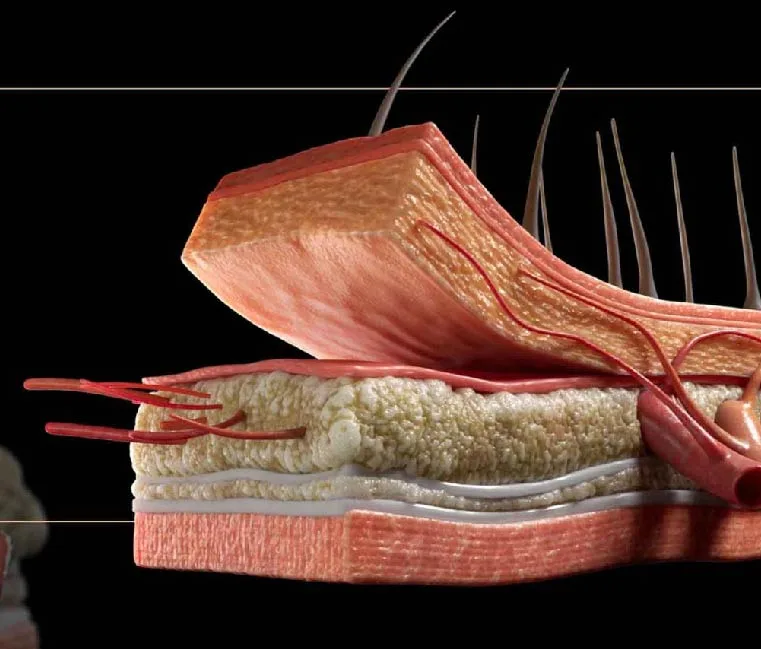
Clínica J.Mir
3D surgical animation created for the Renuvion Summit in Las Vegas, combining advanced anatomy visualization and virtual surgery.

Salvat
3D animation of the UVESOL mechanism of action, presented at the CPHI 2023 pharmaceutical congress.
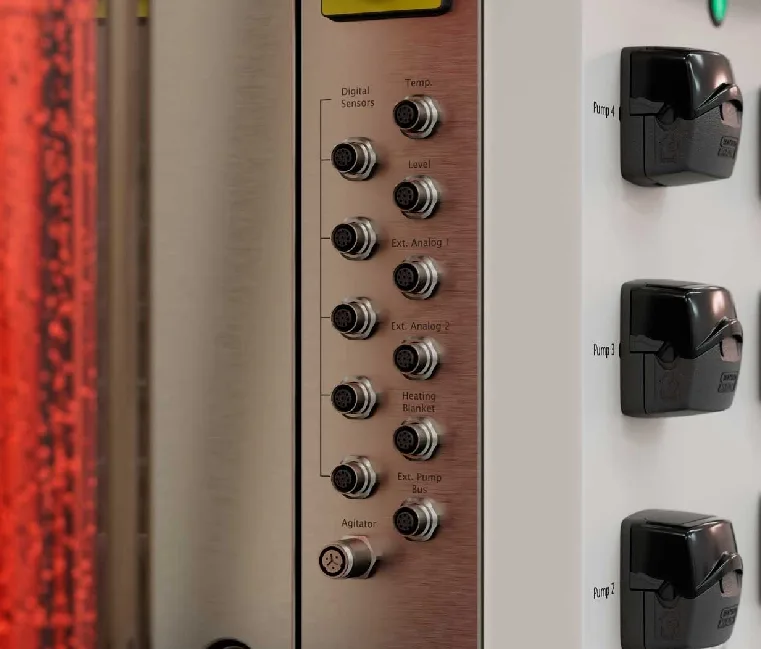
Bionet
3D animation showcasing the functionality of the F1 bioreactor, improving both technical and commercial communication.
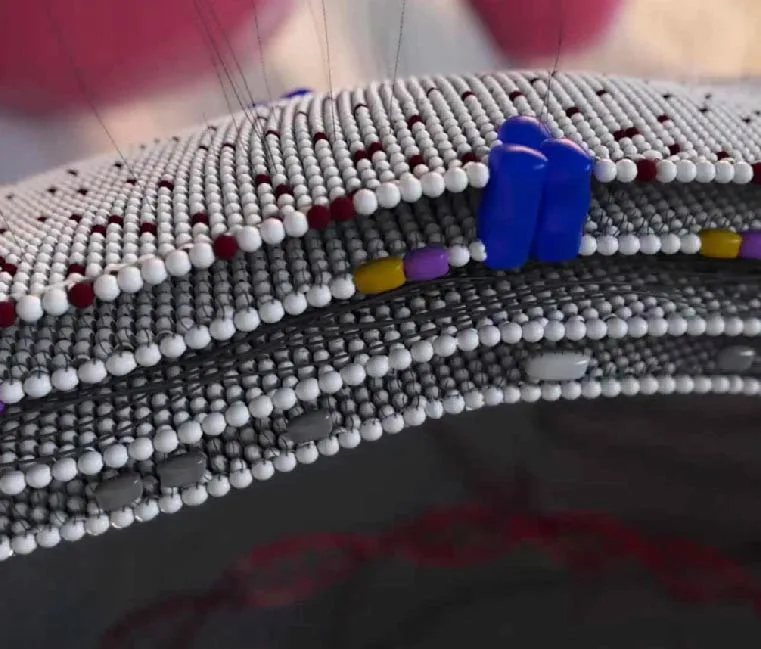
Hipra
3D animation of the mechanism of action of Bimervax, HIPRA’s recombinant protein vaccine against COVID-19.
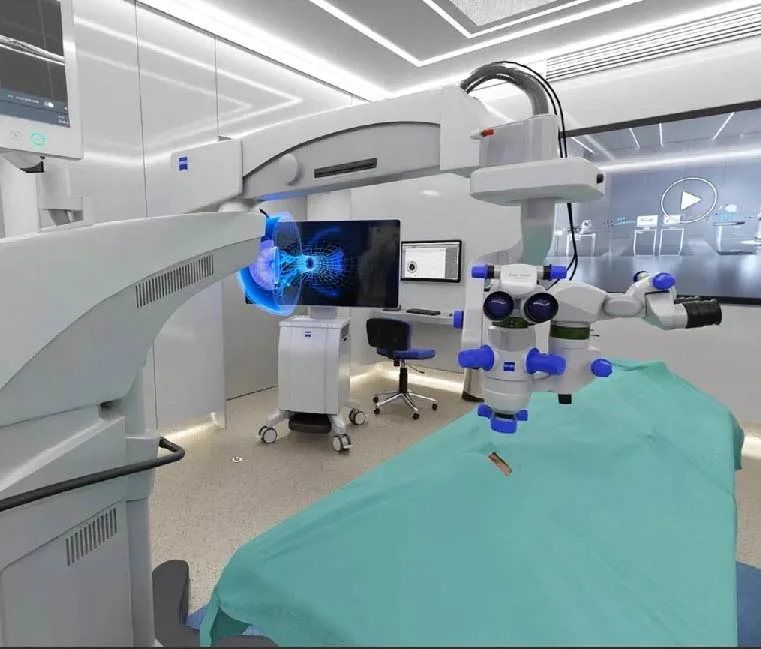
Zeiss Medical Technology
Medical metaverse in 3D developed for the SEO 2022 Congress to present ophthalmic surgical microscopes.
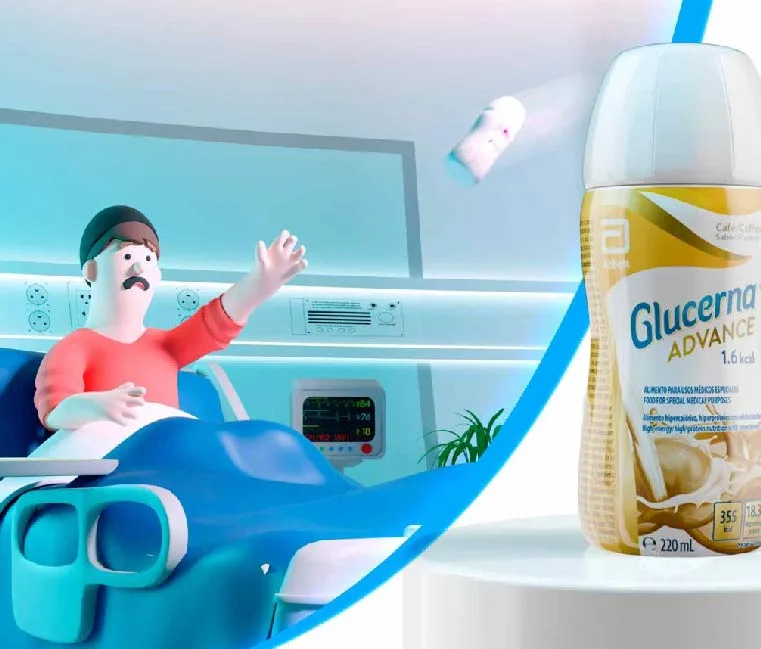
Abbott Laboratories
3D serious game presenting the nutritional supplement Glucerna at the SEMDOR congress in Seville.
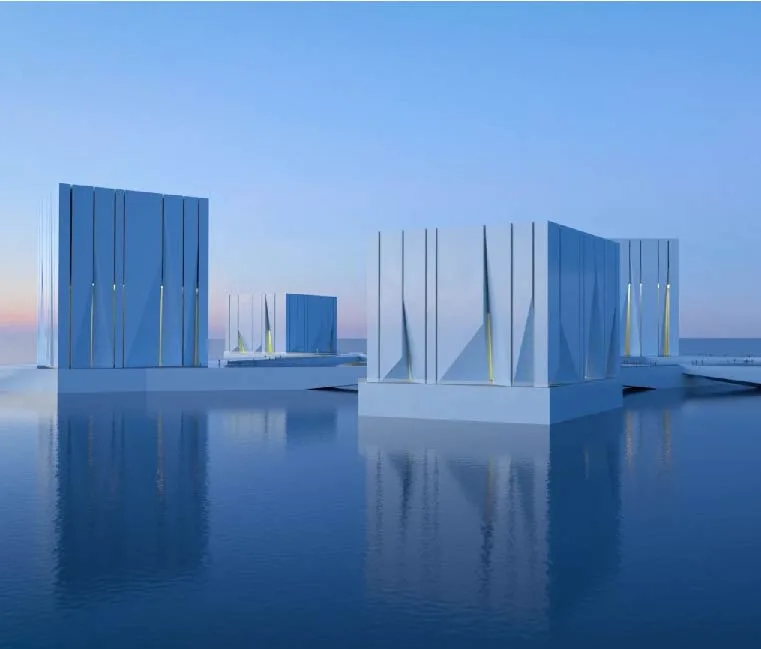
Zeiss Medical Technology
Design of 3D virtual hospital environments to showcase workflows and improvements in medical facility efficiency
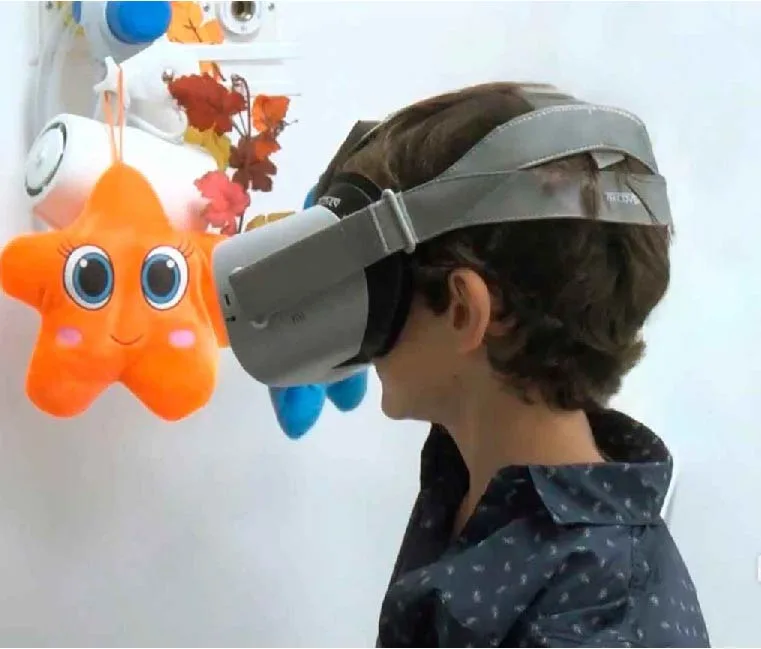
VR Pharma
Virtual reality solution to reduce anxiety and pain in pediatric patients during medical procedures.
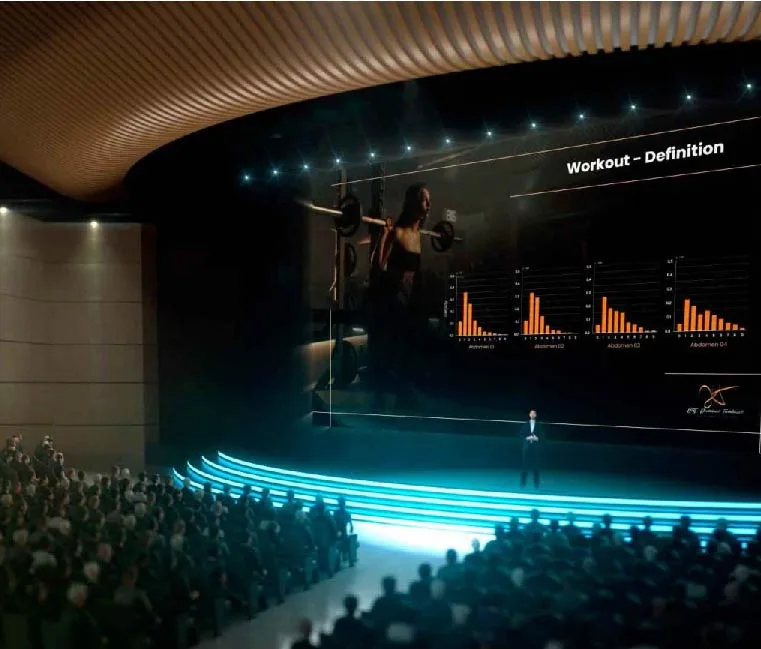
Clínica J. Mir
3D visualization of health data for monitoring vital signs in interactive digital environments.
WORK PROCESS
1
Brief & kickoff
We start from your data, goals, audience, and deadline. You bring the science and the message; we tell you what’s possible and how to make it land.
2
Script & storyboard
We turn the science into a clear narrative and a visual plan you approve before any animation begins, so everyone’s aligned while changes are still cheap.
3
Style frames & 3D modeling
We lock the visual style and build accurate models of your molecule, device, or anatomy.
4
Animation & production
We animate, light, and render in structured review rounds, so your medical, legal, and marketing stakeholders can all sign off in step.
5
Delivery in every format
You get the master plus every version you need — congress, web, social, sales, subtitled, or interactive.
Timelines & What to Expect
What Determines the Price of a Virtual Patient
A single case with three decisions and a library of cases with branching outcomes are different projects. These are the five things that move the budget.
How many cases, and how deep
One case is a build. Ten cases that share a patient, an environment and a scoring engine cost far less each than the first.
How much the patient has to react
Reading a script is one thing. Answering freely, showing signs and changing state after each decision is another.
Where it has to run
Headset, desktop and browser are three builds from one codebase, not one. Each adds testing.
How much 3D is new
Reusing anatomy, environments and characters we already have shortens production. Building the patient, the room and the device from zero does not.
Validation and languages
Clinical review rounds, scoring criteria and each extra language are production work, not a translation line.
What this Investment Buys You:
Scientifically Accurate
Science that’s accurate and review-ready, not just pretty.Full Ownership
Full ownership of your animation and every deliverable.Every Format, From One Partner
Every format your team needs, from one partner.On-Deadline Delivery
A studio that hits the deadline your project is built around.FREQUENTLY ASKED QUESTIONS
What is a virtual patient simulation?
An interactive 3D patient a learner works with: taking a history, examining, deciding and seeing the consequence. Unlike a case video, the learner has to act, and what they do is recorded.
How is it different from a serious game or a surgical simulator?
They overlap. A serious game is a format — scoring, levels, progression. A surgical simulator trains the hands on a procedure. A virtual patient is about the clinical reasoning: who is in front of you and what you decide to do about them. Many projects combine the three.
Can the virtual patient answer questions?
Yes. It can follow a scripted decision tree, which is predictable and easy to validate, or respond more freely, which feels more real and needs more validation. We usually recommend starting scripted and opening it up once the clinical content is settled.
Who writes and validates the clinical content?
Your specialists. We work from your protocols and case material, agree the script and the decision tree with them before building, and they review at script and at first build.
Does it run in VR, on a computer or in a browser?
Any of them. A headset gives presence, a laptop gives reach, and the browser gives access where nothing can be installed. Each is a separate build from the same codebase, so the number of platforms affects the budget.
What can you measure?
Which questions were asked and which were missed, the order of decisions, time to each one, and the final outcome. The scoring criteria are agreed with your team before production, because they are what the whole case is built around.
How long does a virtual patient take?
It depends on the number of cases, how much the patient has to react and how many platforms it runs on. We give the timeline with the quote, after agreeing the scope with your team.





——— GET A QUOTE ———
Request a demo of a virtual patient
Tell us your project, your audience, and your deadline. We’ll come back with a clear approach and a fixed quote, usually within 48 hours.
Contact
Contact Us
Contact
Contact Us
Boston, Massachusetts, USA
T: (+1) 617 351 8477
M: (+1) 484 473 1704
info@pixel-medical-animation.com
Business Hours:
Mon-Fri: 9am-6pm (local time)
How can we help you?

SERVICES
- Medical 3D Animation in Boston
- Medical 3D Animation in Miami
- Medical 3D Animation in Los Angeles
- Medical 3D Animation in Minneapolis
- Medical 3D Animation in New York
- Medical 3D Animation in Raleigh Durham
- Medical 3D Animation in Chicago
- Medical 3D Animation in Texas
- Medical 3D Animation in Seattle
- Medical 3D Animation in Washington DC