──── BLOG |
Augmented reality in surgery: use cases today
Augmented reality puts 3D content into the room the viewer is already in. Around surgery that turns out to be useful in a narrower set of places than the headlines suggest — and genuinely useful in those places.
This guide separates what is in daily use from what is still research, with the projects we have built in each case.
Training on equipment that is not in the room
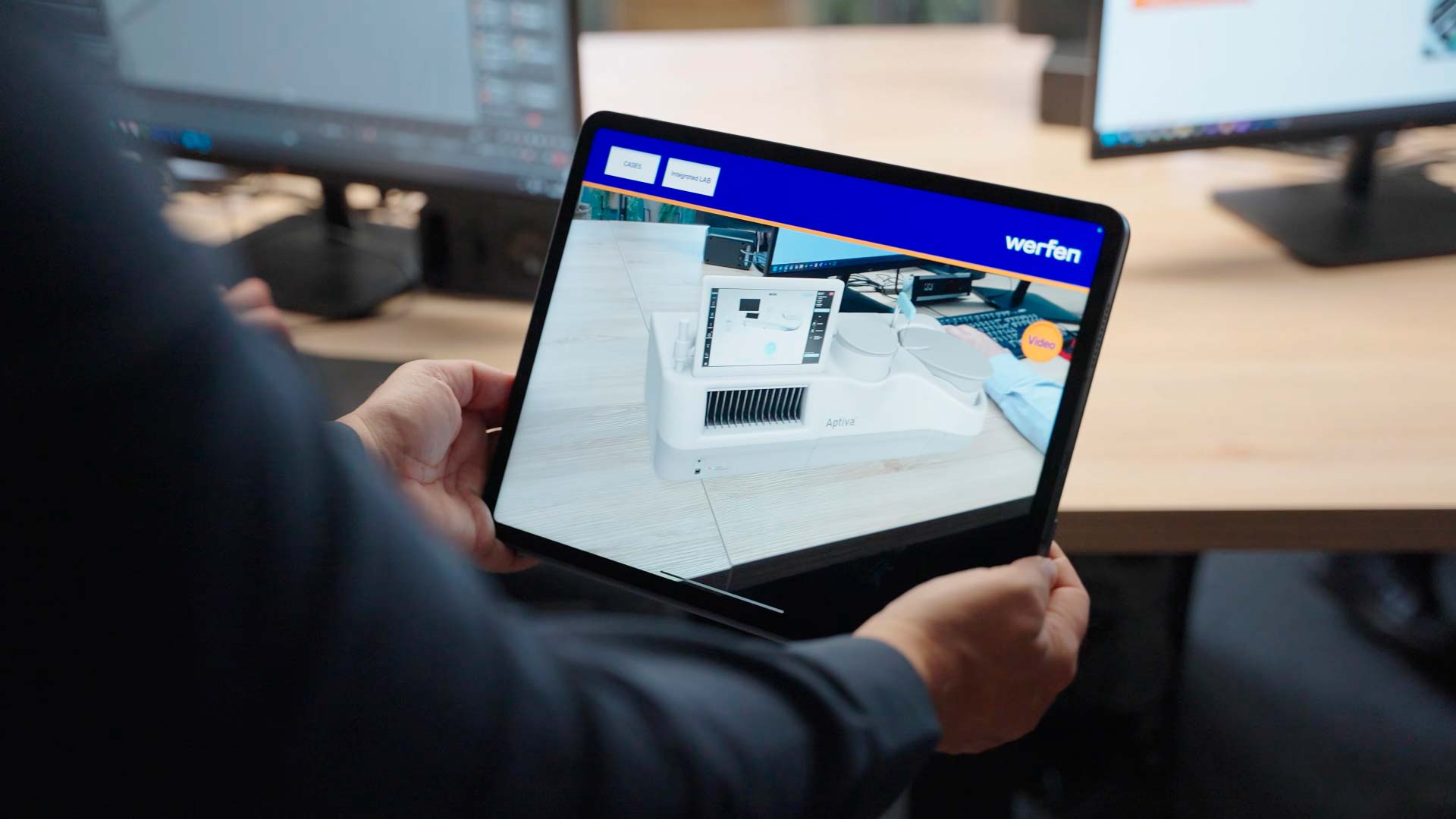
The strongest case, and the one with the least hype attached. For Werfen we built augmented reality medical training simulation so that a trainee can learn a piece of equipment without the equipment being physically present.
Surgical and diagnostic hardware is expensive, scarce and usually in use. AR removes the scheduling problem entirely: the device appears on a table, at full scale, as many times as needed, on a phone or a headset.

Explaining a device and its placement
A device explains itself badly in a photograph and well in AR, because the question is almost always about scale and position relative to anatomy. Our augmented reality work for Hartmann on the Medical DressBox follows that logic, and the same applies to implants, instruments and consumables.
For a sales team this replaces the sample case. The medical device animation page covers the wider set of formats this sits in.
Mechanism of action at the point of conversation
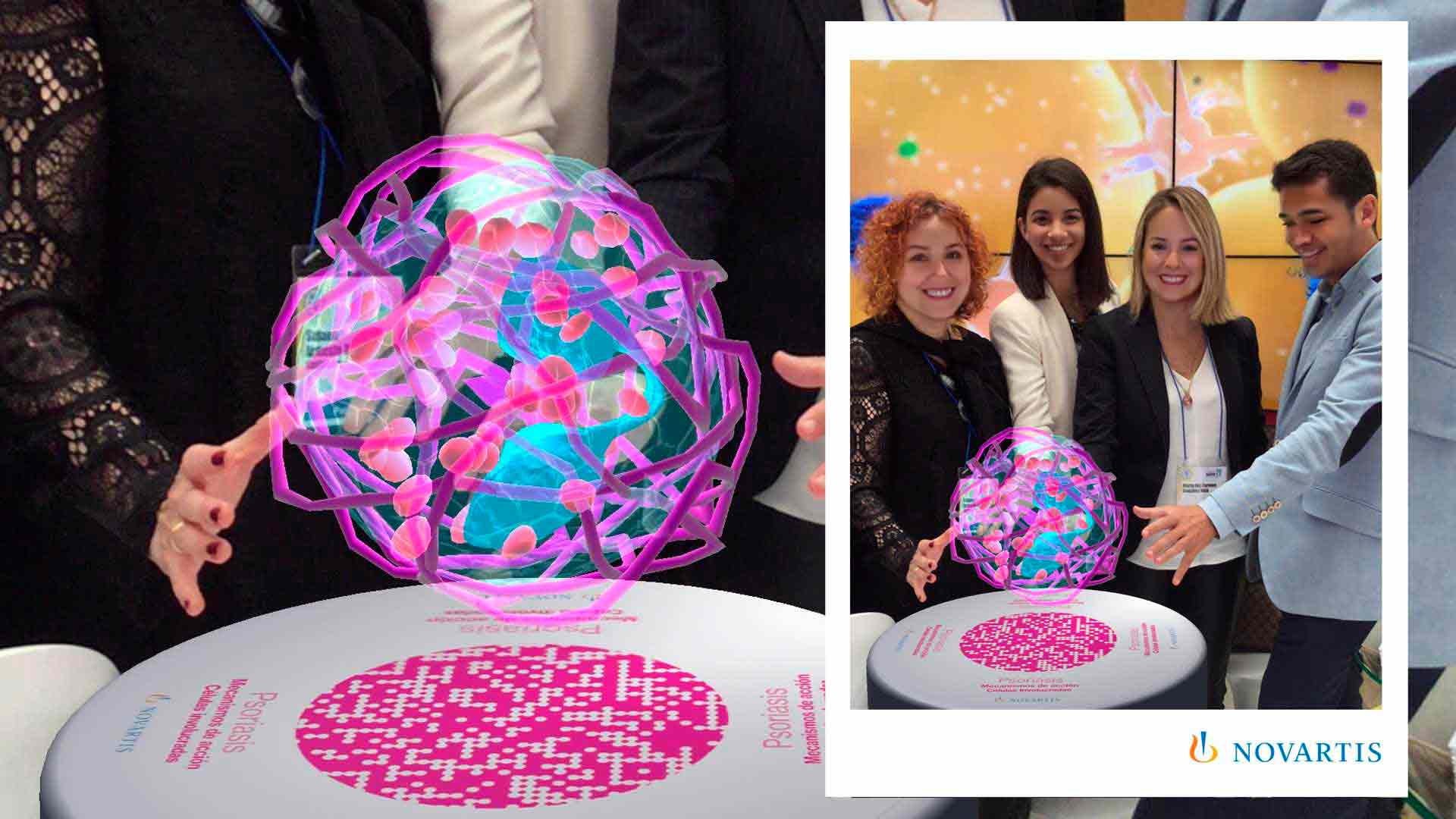
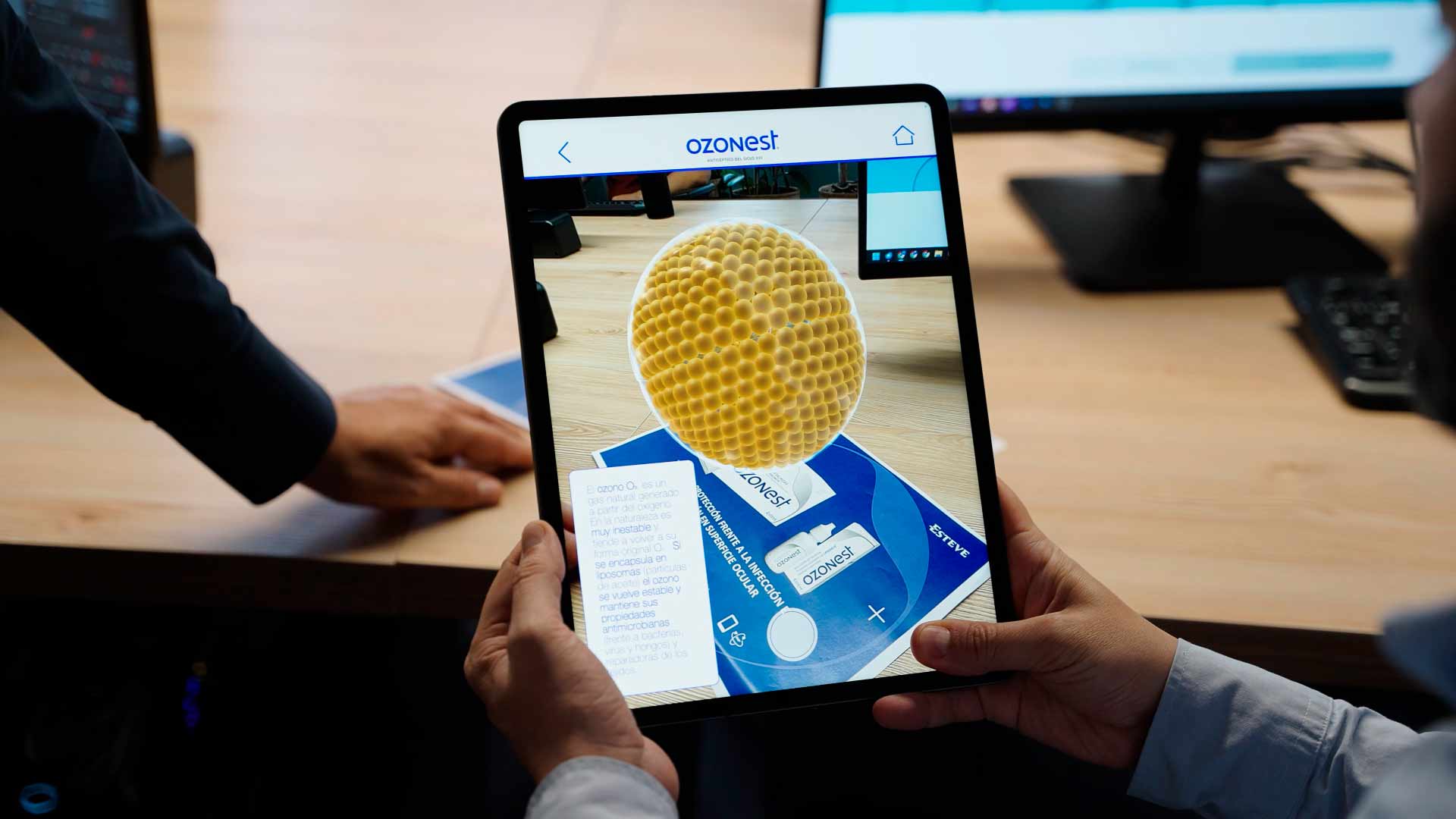
Around surgery there is always a pharmacological story — what the drug does, where it acts, why this one. We have built that as AR for Novartis on psoriasis and for Esteve on Ozonest in ophthalmology.
The value is specific: the rep does not interrupt a conversation to open a laptop. The model appears on the table between two people and the conversation continues. See MOA animation for pharma.

Teaching material that comes off the page
For Servet we produced an augmented reality cardiology book: the reader points a phone at a page and the heart becomes a 3D model they can rotate.
It is the cheapest honest use of AR in education, and it survives better than most, because the printed artefact keeps working when the app is retired. Anything built for teaching should be designed with that ending in mind.
What is still research, and should be described as such
Intraoperative overlay — a patient scan registered onto the patient during the operation — is the use case every article leads with, and it is the one furthest from routine practice. Registration accuracy, movement of soft tissue and regulatory clearance are all unsolved at the level a theatre requires.
It is real work and it is progressing. It is not something a communications or training budget should be buying in 2026, and describing it as available is how AR lost credibility with clinicians the first time around.
Choosing between AR and VR
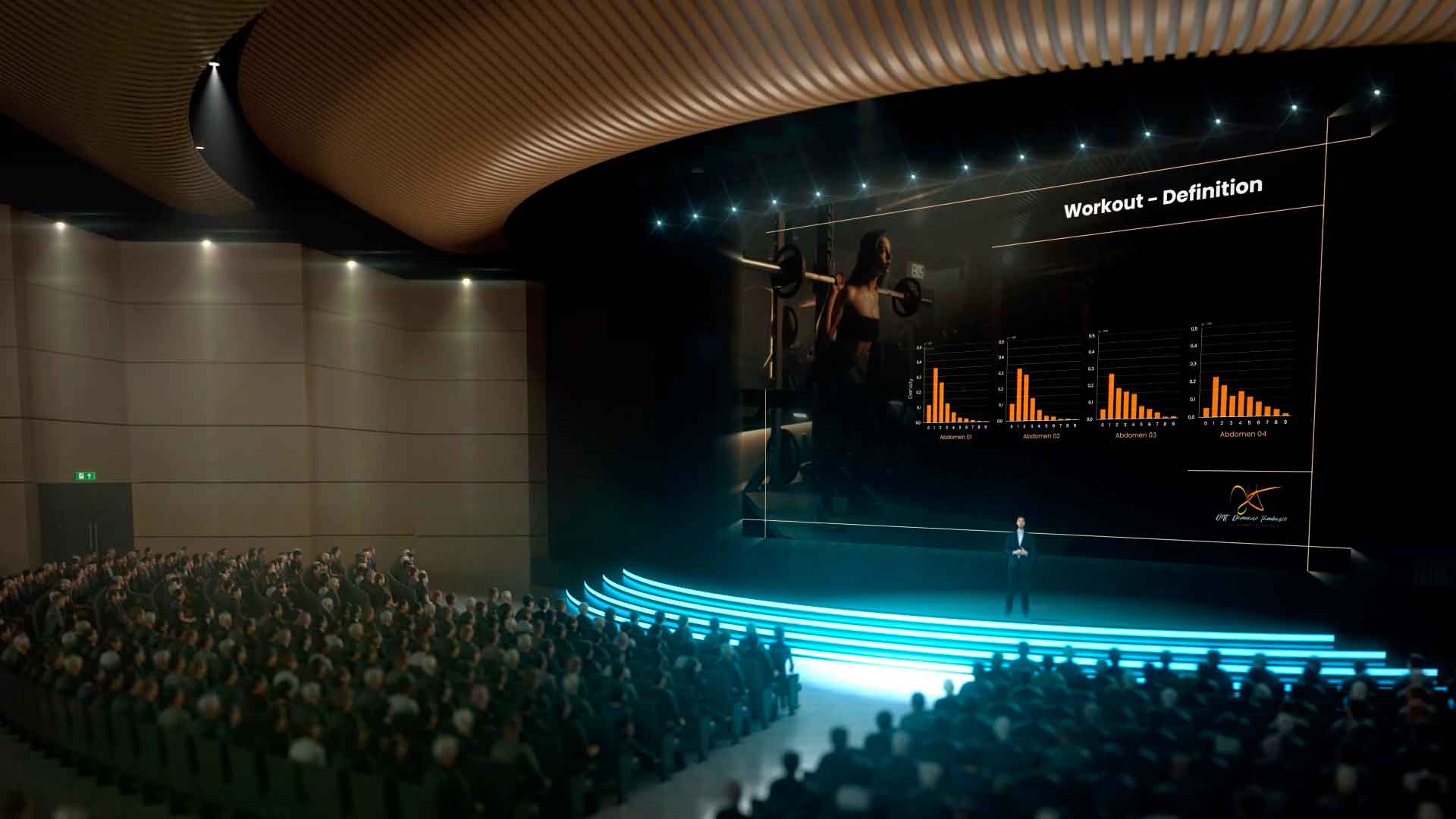
Use AR when the real environment matters: a device on a real table, a model between two people, a page in a real book. Use VR when the environment has to be controlled and the real one is in the way — a procedure, a theatre, a scenario.
And use neither when the piece will be watched on a screen and nothing is being handled. Then it is a medical video, it costs less, and more people see it.
MORE GUIDES

VR for Pain Management: How It Is Used and What It Takes to Build
What Is VR Therapy? Uses, Limits and How One Is Built

3D Body and Face Scanning for Medical Projects: When It Is Worth It
Digital Human and Avatar Technology: How One Is Actually Built
What Is a Digital Human? Uses in Healthcare and Pharma
Virtual Reality in Psychology: What Is Used and What It Takes to Build
What Is a Virtual Patient? Uses in Medical Training

Scientific Infographic Examples for Research and Pharma

VR Surgical Training: How It Works and What It Costs

Virtual Reality in Surgery: Training, Planning and the Future
Contact
Contact Us
Contact
Contact Us
Boston, Massachusetts, USA
T: (+1) 617 351 8477
M: (+1) 484 473 1704
info@pixel-medical-animation.com
Business Hours:
Mon-Fri: 9am-6pm (local time)
How can we help you?

SERVICES
- Medical 3D Animation in Boston
- Medical 3D Animation in Miami
- Medical 3D Animation in Los Angeles
- Medical 3D Animation in Minneapolis
- Medical 3D Animation in New York
- Medical 3D Animation in Raleigh Durham
- Medical 3D Animation in Chicago
- Medical 3D Animation in Texas
- Medical 3D Animation in Seattle
- Medical 3D Animation in Washington DC