──── BLOG |
Pharmaceutical Video Production: From MOA to Launch
A pharmaceutical launch is not one video. It is a set of pieces that share a mechanism, an approval trail and, if it is planned properly, a single 3D build.
This guide covers the sequence of a launch, which pieces are usually needed, why review is the real schedule, and how to avoid paying three times for the same model.
The sequence of a launch
It starts long before the launch date, with the mechanism. The MOA is the asset everything else is cut from: the congress film, the rep’s tablet piece, the training module, the web version, the stills for the poster and the slide deck.
Build it first and build it properly, because every later piece inherits its anatomy, its colour code and its claims. Build it late, under launch pressure, and the review rounds happen at the worst possible moment.
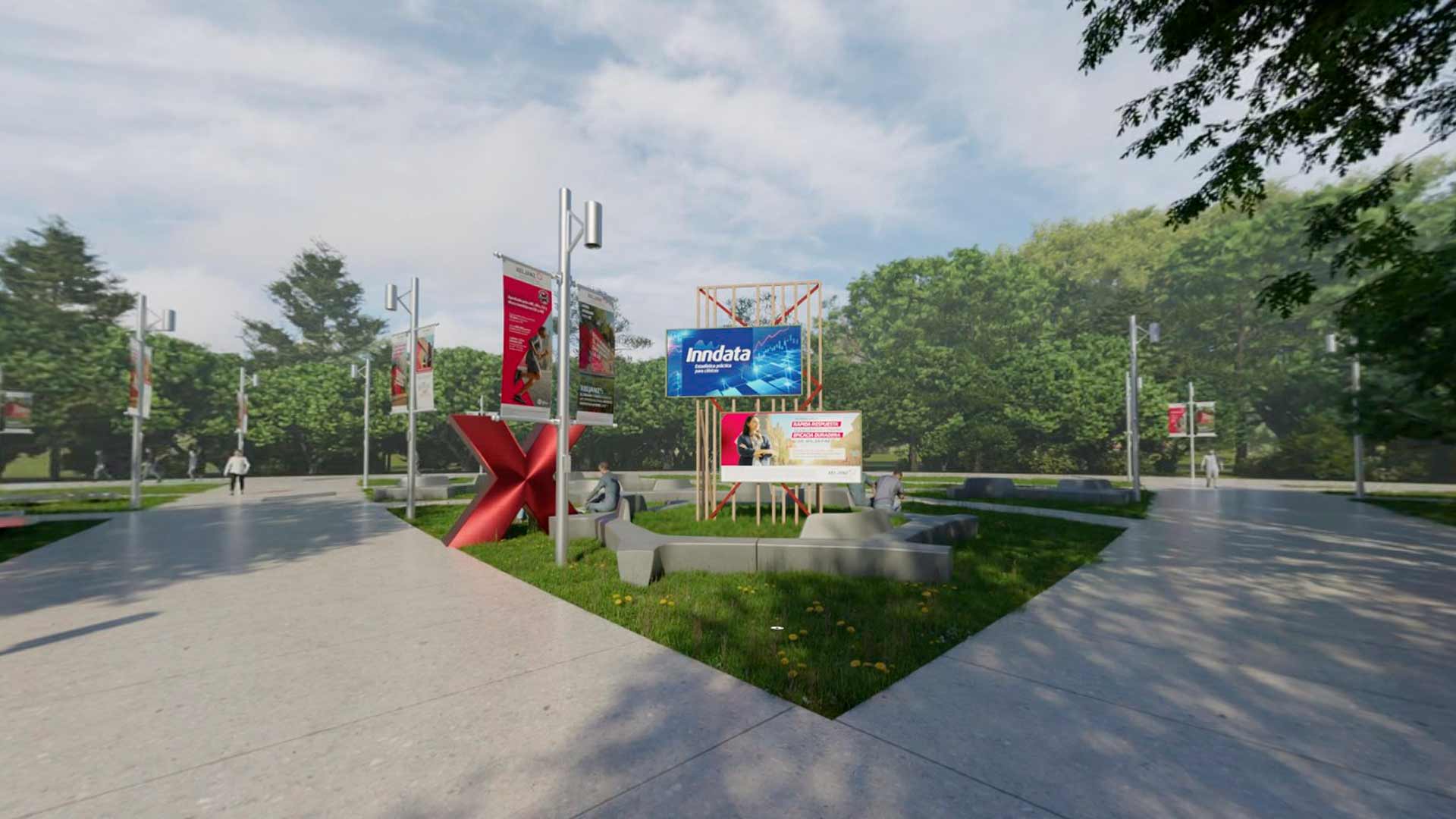
The Salvat UVESOL mechanism we produced for CPHI 2023 is a good example of the congress end of that chain: one mechanism, cut to survive a delegate who stops for forty seconds.

What a launch usually needs
A congress cut, short and self-contained. A longer version for medical affairs and training. A field version for the sales team, often interactive so the rep can jump to the part the physician asks about. Stills for posters, slides and packaging.
And increasingly something that works next to a person rather than on a screen: for Novartis we took the psoriasis mechanism into augmented reality, and for Esteve the Ozonest mechanism travels in the delegate’s own hand, months after the congress is over.
Why review is the real schedule
In pharma, everything the animation shows is a claim — including what it implies. A sequence that suggests a speed, an outcome or a comparison will be read that way by someone.
So the script is approved before the storyboard, and the storyboard before the modelling, with a second review before the final render. Two scheduled rounds is normal. What blows up a timeline is not the number of rounds but discovering them at the end: a change to the model after animation has started cascades through lighting, render and every language version already produced.
How not to pay three times for the same model
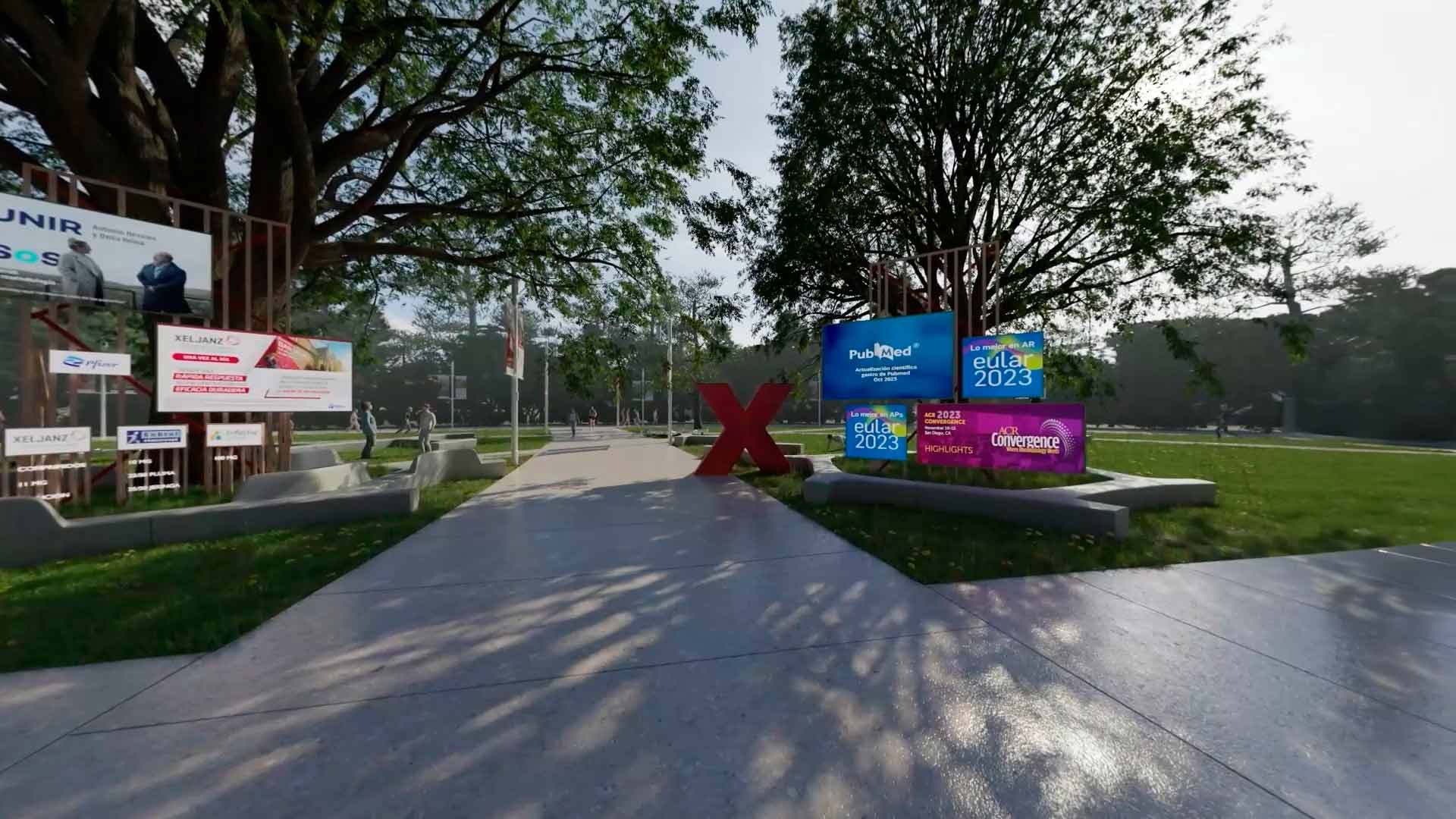
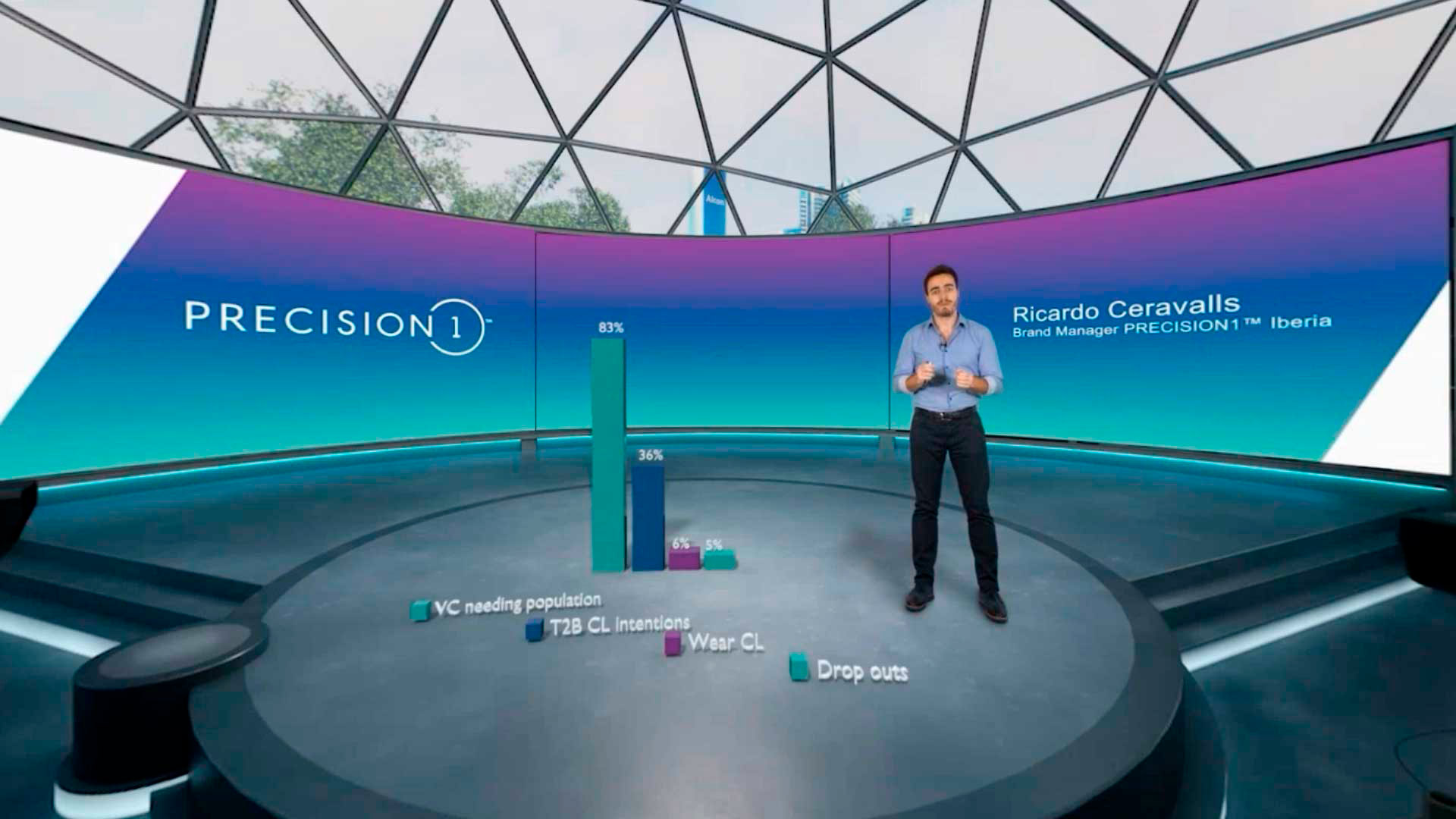
Agree the deliverables list before production. A congress cut, a web cut, four subtitle languages and a set of stills share almost all of the work when they are planned together, and almost none of it when they are commissioned one at a time.
Ask what you own and what can be reused. The model is the expensive part; once it exists, a new angle or a new sequence next year is a fraction of the first project.
What goes wrong most often
Three things, in order of frequency. The piece explains two mechanisms instead of one, so the audience retains neither. The patient version and the specialist version are merged into a single film that serves neither. And the stills are commissioned separately, months later, so they do not match the animation.
All three are decided in the brief, not in production, which is why the first conversation is worth more than any later revision round.
MORE GUIDES
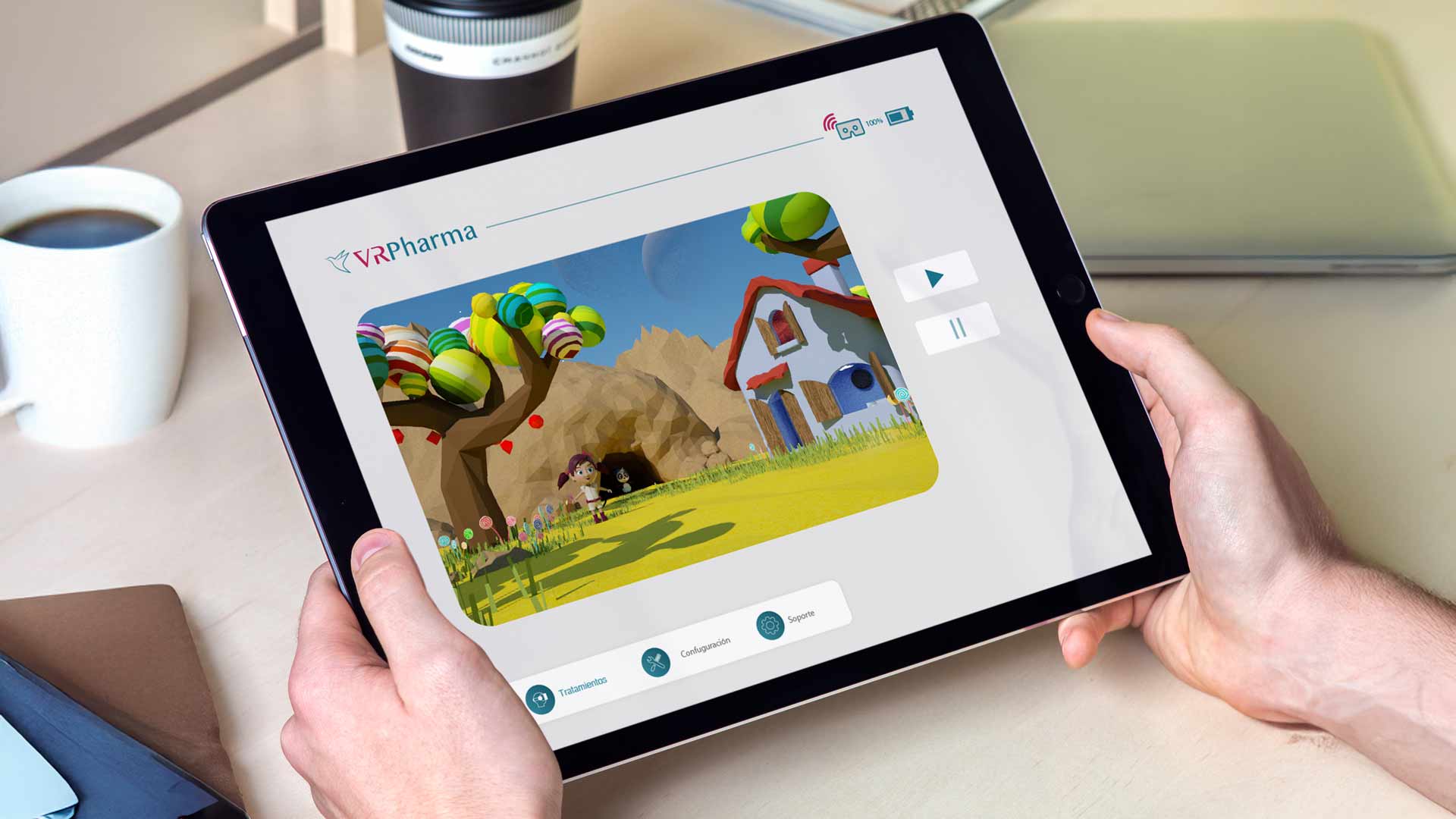
VR for Pain Management: How It Is Used and What It Takes to Build
What Is VR Therapy? Uses, Limits and How One Is Built
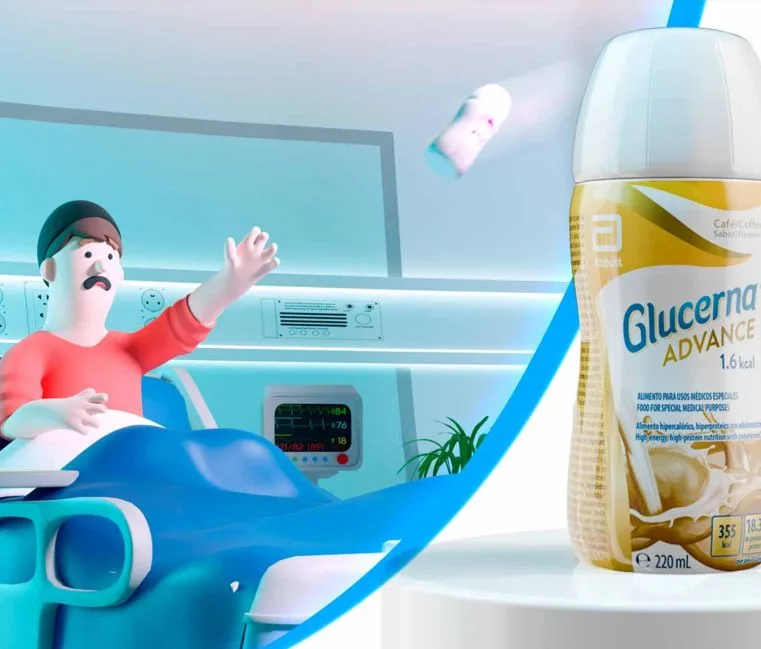
3D Body and Face Scanning for Medical Projects: When It Is Worth It
Digital Human and Avatar Technology: How One Is Actually Built
What Is a Digital Human? Uses in Healthcare and Pharma
Virtual Reality in Psychology: What Is Used and What It Takes to Build
What Is a Virtual Patient? Uses in Medical Training
Scientific Infographic Examples for Research and Pharma

Augmented Reality in Surgery: Use Cases Today

VR Surgical Training: How It Works and What It Costs
Contact
Contact Us
Contact
Contact Us
Boston, Massachusetts, USA
T: (+1) 617 351 8477
M: (+1) 484 473 1704
info@pixel-medical-animation.com
Business Hours:
Mon-Fri: 9am-6pm (local time)
How can we help you?

SERVICES
- Medical 3D Animation in Boston
- Medical 3D Animation in Miami
- Medical 3D Animation in Los Angeles
- Medical 3D Animation in Minneapolis
- Medical 3D Animation in New York
- Medical 3D Animation in Raleigh Durham
- Medical 3D Animation in Chicago
- Medical 3D Animation in Texas
- Medical 3D Animation in Seattle
- Medical 3D Animation in Washington DC