──── BLOG |
How to Make a Medical Explainer Video
An explainer video fails for one of two reasons: it explains the wrong thing, or it explains the right thing to the wrong person. Both are decided before anyone opens a 3D application.
This is the sequence we follow on medical and pharma projects: audience, claim, script, storyboard, production, review, delivery. It is written as a guide you can use with any studio, including one that is not us.
Step 1 — Decide who it is for, and accept the consequences
A piece for specialists and a piece for patients are different productions even when the science is identical. The specialist version is judged on whether the anatomy and the sequence stand up to scrutiny. The patient version is judged on whether someone can repeat back what it does.
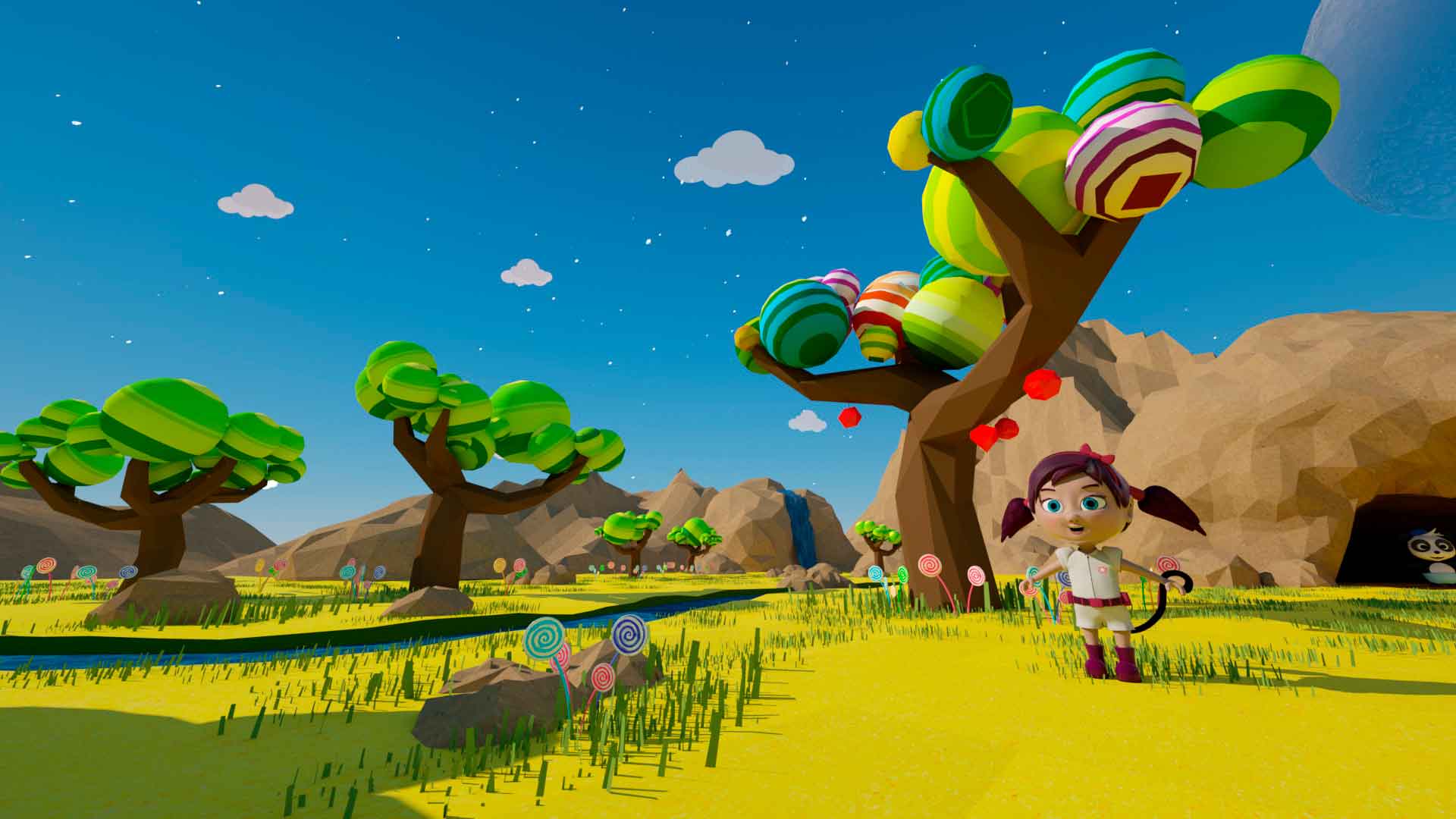
For Medtronic, whose system adjusts insulin automatically every five minutes for people with type 1 diabetes, the audience was the person wearing the device. That decision made the piece short and playful, and it took out everything the viewer did not need in order to follow the next step.
Trying to serve both audiences with one film is the most reliable way to produce something neither uses.


Step 2 — Write down the single claim
One sentence: what should the viewer believe when it ends? If that sentence needs an “and”, you have two videos.
This is also the first thing your reviewers should see, because it is far cheaper to argue about a sentence than about a rendered sequence. Settle the claim in writing and the rest of the project becomes a series of smaller decisions.
Step 3 — The script is the project
The script fixes the order of events, the level of detail and the vocabulary. In medical work it does one more thing: it states what is being claimed, so that the science can be reviewed before anything expensive exists.
Read it aloud and time it. Most explainer scripts are twenty per cent too long, and the cut always improves them. Anything that survives only because it is interesting, rather than because the claim needs it, goes.
Then agree the deliverables here, not later: congress cut, web cut, subtitles, languages, stills. Agreed now they share the same production; agreed afterwards each is a separate small project.

Step 4 — Storyboard, and the first real review
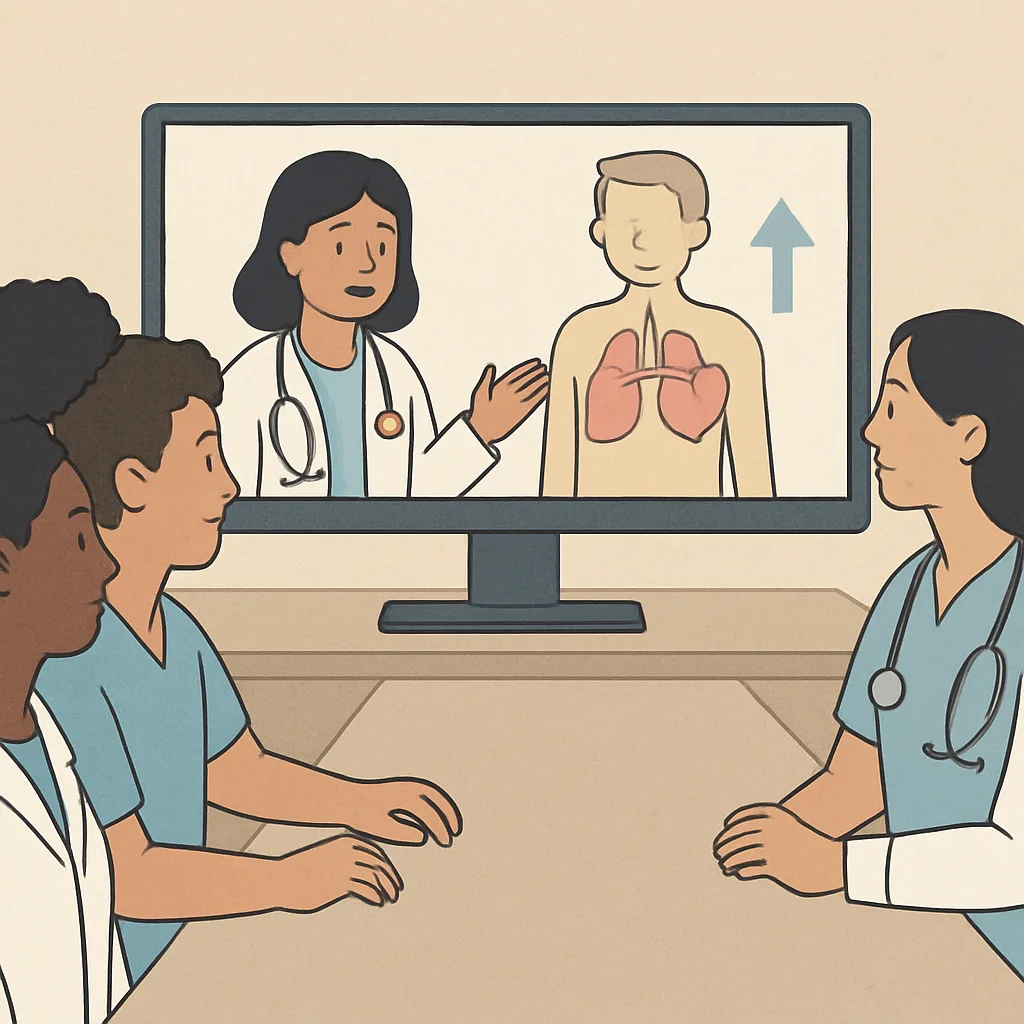
The storyboard turns the script into shots: where the camera is, what is on screen, what moves. It is the last moment at which a change is cheap, which is why it is the first formal scientific review point.
Get the reviewer to sign off the storyboard and not just the script. A sentence can hide an ambiguity that a picture cannot.
Step 5 — Production, second review, delivery
Modelling, animation, lighting and render follow the approved storyboard. A second review happens before the final render, when the sequence is visible but the expensive finishing is not yet done.
Voiceover, music, subtitles and language versions come last, because they are the cheapest elements to change. If a language version is produced before the visuals are locked, every later change has to be repeated in every language.
MORE GUIDES
VR for Pain Management: How It Is Used and What It Takes to Build
What Is VR Therapy? Uses, Limits and How One Is Built
3D Body and Face Scanning for Medical Projects: When It Is Worth It
Digital Human and Avatar Technology: How One Is Actually Built
What Is a Digital Human? Uses in Healthcare and Pharma
Virtual Reality in Psychology: What Is Used and What It Takes to Build
What Is a Virtual Patient? Uses in Medical Training

Scientific Infographic Examples for Research and Pharma

Augmented Reality in Surgery: Use Cases Today

VR Surgical Training: How It Works and What It Costs
Contact
Contact Us
Contact
Contact Us
Boston, Massachusetts, USA
T: (+1) 617 351 8477
M: (+1) 484 473 1704
info@pixel-medical-animation.com
Business Hours:
Mon-Fri: 9am-6pm (local time)
How can we help you?

SERVICES
- Medical 3D Animation in Boston
- Medical 3D Animation in Miami
- Medical 3D Animation in Los Angeles
- Medical 3D Animation in Minneapolis
- Medical 3D Animation in New York
- Medical 3D Animation in Raleigh Durham
- Medical 3D Animation in Chicago
- Medical 3D Animation in Texas
- Medical 3D Animation in Seattle
- Medical 3D Animation in Washington DC