──── BLOG
Biomedical and Biotech Animation: The Role of 3D in Scientific Research
Read more about our 3D medical animation services.
For commercial work, see our medical animation for biotech service.
Transforming Science with 3D Visualization
Biomedical research is constantly faced with the complexity of biological processes, from molecular interactions to the behavior of entire organs in different environments. In this context, 3D animation has emerged as an essential tool for visualizing, understanding, and communicating phenomena that would otherwise be nearly impossible to observe directly. At Pixel Medical Animation, we are committed to providing 3D animation solutions that transform the way researchers approach scientific challenges, allowing them to explore new horizons in therapy discovery and development.
──── BLOG
Terapy VR as a Therapeutic Tool
Treating Pain and Anxiety Without Medication
Modern medicine is constantly seeking alternatives to conventional treatments, especially in sensitive areas like pain management and anxiety. Virtual reality (VR) has emerged as an innovative, non-invasive, and highly effective solution to address these challenges. From alleviating chronic pain to reducing pre-operative anxiety and treating psychological disorders like post-traumatic stress disorder (PTSD), VR is transforming the way healthcare professionals approach patient well-being.

What is Biomedical and Scientific 3D Animation?
In biomedicine, 3D animation involves creating detailed, dynamic three-dimensional models that represent biological structures and biomolecular processes. These animations allow researchers to visualize microscopic events, such as:
- The binding of a drug to its receptor.
- DNA replication and its errors.
- The interaction between immune cells and pathogens.
By converting complex data into dynamic and understandable images, 3D animation helps scientists interpret and communicate their findings more effectively.
We go into this level of detail in three separate guides: how a cell animation is actually built, the cell cycle in 3D and animal cell animation.

Benefits of Biotech 3D Animation in Biomedical Research
1. Deep Understanding of Complex Processes
The microscopic world is full of complex interactions that are difficult to conceptualize through static graphics or text. 3D animation:
- Visually represents how molecules interact in real time.
- Illustrates dynamic phenomena like drug diffusion in tissue or the life cycle of a virus.
- Facilitates the analysis of processes like angiogenesis or cellular apoptosis.
For example, the 3D animation of the mechanism of action of messenger RNA vaccines has been key in explaining their efficacy against COVID-19.
2. Support in Drug Design
In drug development, understanding how a molecule interacts with its biological targets is essential. 3D animation allows:
- Simulation of compound binding to active sites on proteins.
- Analysis of potential adverse interactions within molecular structures.
- Visualization of protein conformational changes under different conditions.
Leading pharmaceutical companies like Pfizer and Novartis use 3D animations to optimize the design of therapeutic molecules, reducing research time by 20%.
3. Facilitating Scientific Communication
3D animation is not only useful for researchers but also for communicating discoveries to non-specialized audiences, such as:
- Investors in the biomedical sector.
- Medical professionals who need to understand new treatments.
- Patients interested in understanding how drugs work.
With detailed graphics and intuitive movements, these animations are invaluable tools for explaining concepts like cellular regeneration or immune responses to advanced therapies.
4. Optimization of the Research Process
The creation of interactive 3D models allows scientists to explore different hypothetical scenarios before conducting physical experiments. This can:
- Reduce the number of in vivo and in vitro experiments.
- Increase efficiency by prioritizing promising research lines.
- Generate more accurate hypotheses based on visual and dynamic models.
A notable example is the use of 3D models to analyze the impact of genetic mutations in hereditary diseases, which has helped prioritize more specific genetic therapies.
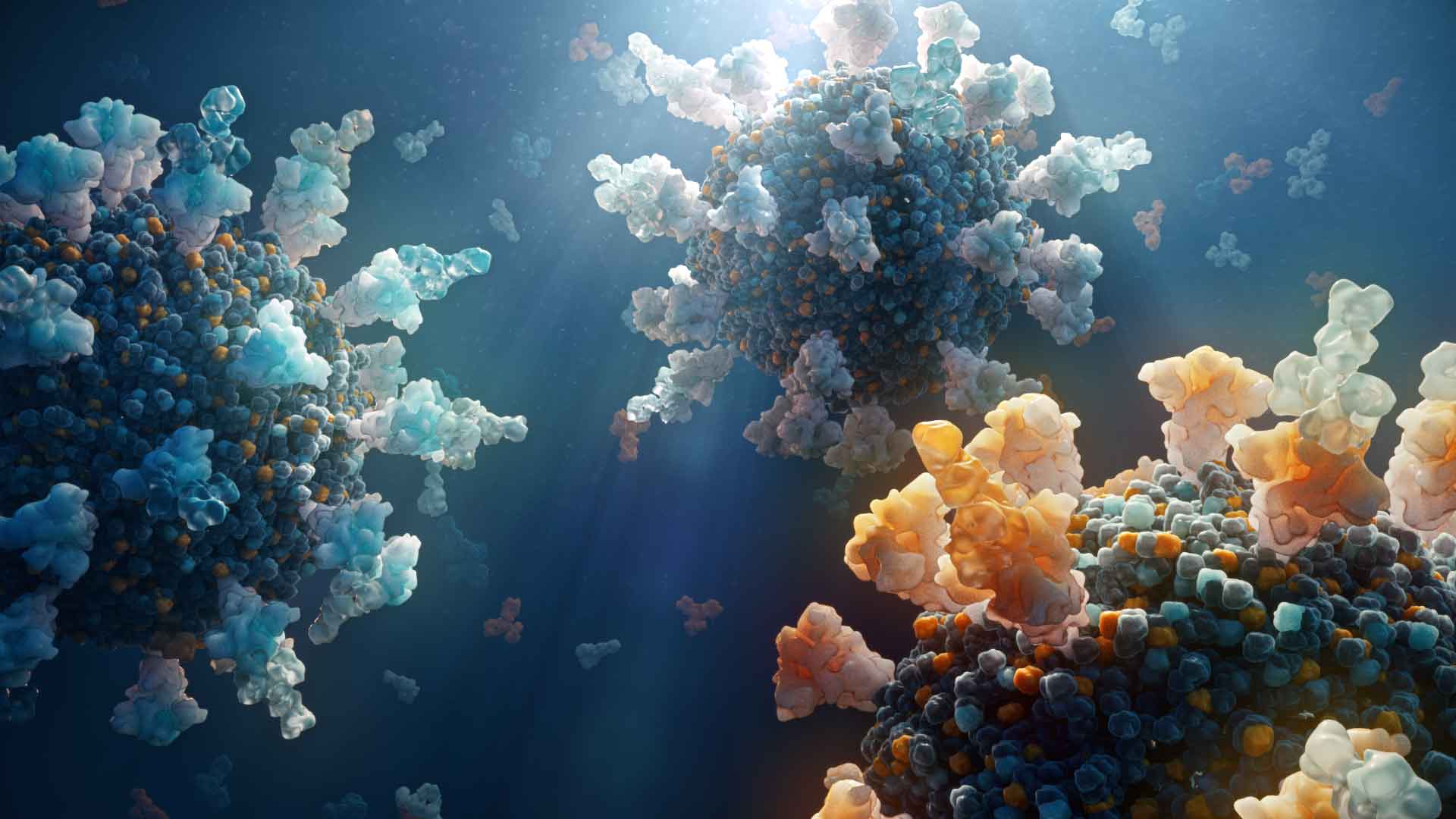
At Pixel Medical Animation, we specialize in delivering custom biomedical 3D projects that merge scientific rigor with creative storytelling. From hyper-realistic animations to immersive AR and VR experiences, our solutions are designed to educate, engage, and inspire. Each project is tailored to the unique needs of pharmaceutical companies, biotech firms, and hospitals, helping them communicate innovation, build trust, and lead in a competitive healthcare market that increasingly relies on visual precision.
A Revolution in Medical Training
3D animation is revolutionizing the way researchers understand and communicate the most complex biological phenomena. From drug design to illustrating critical molecular interactions, these tools are paving the way for faster and more effective scientific discoveries.
At Pixel Medical Animation, we are committed to empowering biomedical research with 3D animation solutions that not only inform but also inspire. If you’re looking to transform your research approach, contact us today. Science does not have to be invisible; together, we can bring it to life.
FACTORS THAT DETERMINE THE PRICE OF A BIOTECH ANIMATION
Scientific complexity
How many molecules, pathways and scales the story has to cross before it makes sense.
Level of detail
Molecular and sub-cellular work takes longer than organ or device scale, and it looks it.
Source material you already have
Structures, imaging data, papers or earlier assets shorten production. When there is nothing, we build from zero.
The audience
An investor deck, a scientific committee and a teaching module are three different films from the same biology.
The deliverable list
Congress cut, web version, education module, languages: decided at the start, not at the end.
Linear or interactive
A film and an application the viewer can explore are two different productions.
Frequently asked questions about 3D animation in biomedical research
What kinds of biological processes can be represented with 3D animation?
Practically any phenomenon at molecular or cellular scale: from a drug binding to its receptor to DNA replication, the life cycle of a virus, or the interaction between immune cells and pathogens. Larger-scale processes can also be represented, such as angiogenesis or the complete workings of an organ.
How does 3D animation differ from a static scientific illustration?
A static illustration shows a single instant, whereas 3D animation represents how a process evolves over time: how a protein changes conformation, how a compound diffuses through tissue, or how an infection progresses step by step. That makes dynamic phenomena far easier to grasp.
How does 3D animation help in drug design?
It makes it possible to simulate a compound binding at the active sites of a protein, visualise its conformational changes under different conditions and anticipate possible adverse interactions before moving to experimental phases, which helps prioritise the most promising lines of research.
Can 3D animation reduce the need for in vivo or in vitro experiments?
It can reduce the number of exploratory assays, since it allows different hypothetical scenarios to be studied visually before going into the lab. It does not replace experimental validation, but it helps prioritise which hypothesis is worth testing first.
Is 3D animation useful for communicating results to non-specialist audiences?
Yes, and it is one of its most valuable applications. From the same 3D model you can generate versions adapted for investors, medical professionals or patients, explaining concepts such as cell regeneration or the immune response without losing scientific rigour.
What does the research team need to provide to start a project like this?
Existing scientific documentation is usually enough — papers, structural data, mechanism-of-action diagrams — plus validation from a researcher during the process, much as a medical or surgical script is reviewed before being animated.
What formats are these animations delivered in?
It depends on the intended use: high-resolution video for congresses and scientific publications, shorter pieces for social media or the web, or even interactive augmented or virtual reality experiences when the aim is for the user to explore the model themselves.
NEWS
The Rise of Animated Healthcare Videos

Terapy VR

Artificial Intelligence as a creative ally in medicine
BIOTECH AND CELLULAR ANIMATION FOR LIFE SCIENCES
Molecular and cellular 3D animation
Cells, proteins, receptors and pathways animated at the scale your science actually happens, built on your own data rather than on stock biology.
From data to story
We start from your papers, structures and source material, agree the scientific storyline with your team, and only then animate. That is why the result survives review instead of needing to be rebuilt.
Investor decks, MOA, education and marketing
The same biotech animation works in a funding round, in scientific communication and in marketing. When the subject is a drug mechanism, see our MOA animation for pharma.
Contact
Contact Us
Contact
Contact Us
Boston, Massachusetts, USA
T: (+1) 617 351 8477
M: (+1) 484 473 1704
info@pixel-medical-animation.com
Business Hours:
Mon-Fri: 9am-6pm (local time)
How can we help you?

SERVICES
- Medical 3D Animation in Boston
- Medical 3D Animation in Miami
- Medical 3D Animation in Los Angeles
- Medical 3D Animation in Minneapolis
- Medical 3D Animation in New York
- Medical 3D Animation in Raleigh Durham
- Medical 3D Animation in Chicago
- Medical 3D Animation in Texas
- Medical 3D Animation in Seattle
- Medical 3D Animation in Washington DC