──── BLOG
The Rise of Animated Healthcare Videos
Read more about our healthcare video production services.
Communicating health information has always been a daunting task. Whether you are a physician trying to explain a complex diagnosis to a worried patient, or a pharmaceutical executive introducing a groundbreaking new drug, the challenge remains the same: translating dense, highly technical medical jargon into digestible, engaging content.Traditional pamphlets and text-heavy websites often fall flat, leaving audiences confused or overwhelmed. This communication gap has led to a massive shift in how the medical industry shares information, paving the way for the rise of visual storytelling. Today, partnering with an expert animated healthcare video production company is no longer just an innovative marketing tactic—it is a vital component of modern healthcare communication.The Power of Visual Communication in Healthcare
The human brain processes visuals significantly faster than text. In a medical context, where stress and anxiety can severely impede a person’s ability to retain information, visual aids are essential.Overcoming the Jargon Barrier
One of the most common questions medical professionals ask is how to explain complex medical procedures visually without terrifying or confusing the patient. Live-action video can sometimes be too graphic or bloody, which can increase patient anxiety. Animation strips away the intimidation factor, allowing you to showcase exactly what happens inside the body using clean, accessible, and colorful visuals.Improving Health Literacy Through Video Storytelling
Low health literacy is a global issue that leads to poor patient outcomes and increased healthcare costs. Improving health literacy through video storytelling empowers patients to take charge of their own care. When a patient watches a narrative-driven medical animation, they are more likely to understand their condition, adhere to their medication schedules, and feel confident in their treatment plans.Tailoring the Animation Style to the Audience
Not all medical videos are created equal. Depending on the target audience and the complexity of the subject matter, healthcare organizations must utilize different visual formats. This brings up the important decision of choosing between 2D and 3D medical visuals.The Benefits of 2D Animation and Whiteboard Styles
For generalized patient education, 2D animation is often the most effective route. The benefits of 2D animation for patient education include its approachable, friendly aesthetic. It softens the blow of difficult medical news and makes complex systems—like how a vaccine triggers an immune response—easy to grasp.Furthermore, enhancing patient engagement with whiteboard animation has proven highly successful in clinical waiting rooms and online health portals. The “draw-as-you-go” style of whiteboard animation naturally holds the viewer’s attention, guiding their eyes exactly where the narrator wants them to look, step-by-step.The Depth of 3D Animation and Beyond
When addressing medical professionals, surgeons, or investors, 3D animation is unparalleled. It allows for the hyper-realistic representation of cellular structures, surgical device mechanics, and anatomical anomalies.This high-fidelity 3D rendering has paved the way for interactive surgical visualization tools. Surgeons can now virtually explore a 3D model of a specific organ before making an incision. Taking it a step further, virtual reality applications in medical education are revolutionizing how medical students learn, allowing them to step inside an animated simulation of the human heart or brain to practice procedures in a completely risk-free environment.Medical Explainer Videos: Specific Applications
A specialized healthcare animation company will offer a variety of services tailored to different sectors within the medical field.Hospitals and Clinics
Medical animation services for hospitals are transforming the patient experience. Hospitals use these videos for:- Pre-operative instructions: Explaining fasting rules and what to expect on the day of surgery.
- Discharge protocols: Ensuring patients understand wound care and physical therapy exercises before they go home.
- Facility tours: Using motion graphics to help patients navigate large, confusing hospital campuses.
Pharmaceutical Marketing and Research
Pharma companies face unique challenges, primarily regarding strict regulatory oversight. Navigating pharmaceutical marketing video compliance requirements is notoriously difficult; every claim must be backed by data, and side effects must be presented clearly and fairly. Animation allows for precise control over text-on-screen and voiceovers, ensuring legal and medical compliance without sacrificing viewer engagement.Additionally, researchers are utilizing effective clinical trial recruitment video strategies to boost participation. By using medical explainer videos to clearly outline the purpose of the trial, the exact time commitment required, and the potential risks and benefits, researchers can build trust with prospective volunteers much faster.Professional Medical Training
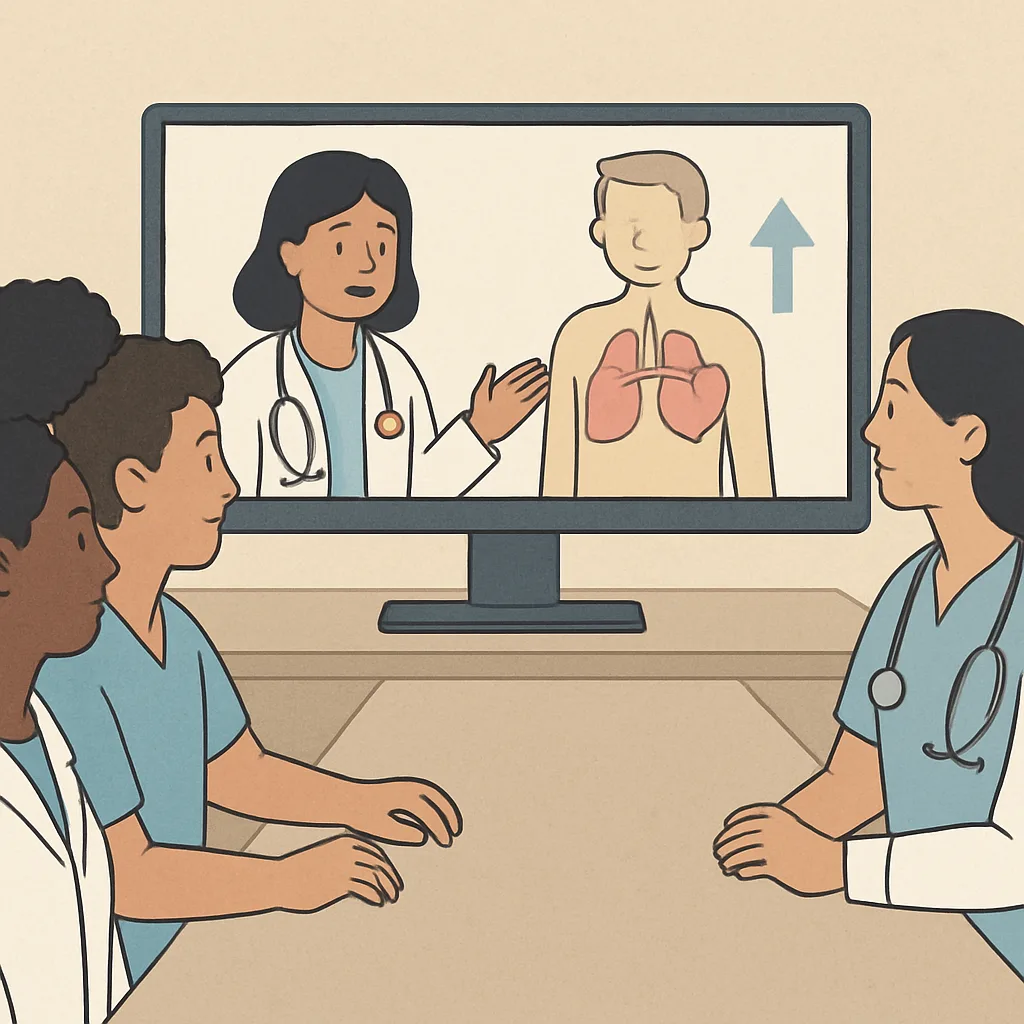
When evaluating animation vs live action for doctor training, animation consistently offers distinct advantages. Live-action surgical footage is often obstructed by hands, instruments, and bodily fluids. Animation, on the other hand, can provide a perfectly lit, unobstructed, microscopic cross-section of the tissue being operated on, ensuring that the educational focus remains exactly where it needs to be.Navigating the Production Process
Creating effective medical animations requires a delicate balance between artistic creativity and scientific accuracy. If you are exploring healthcare video production, it is important to understand the steps involved in bringing these videos to life.Scripting and Medical Accuracy
The foundation of any great video is the script. The best practices for medical script writing involve a dual-review process. The script must first be written by a talented storyteller who can eliminate unnecessary jargon, and then rigorously reviewed by subject matter experts (like chief medical officers or specialized physicians) to ensure absolute clinical accuracy.Actionable Tip: Always write for your specific audience’s reading level. A script aimed at pediatric patients will sound vastly different from a script designed to train cardiologists on a new stent deployment.Compliance and Data Security
In the modern digital landscape, patient privacy is paramount. When developing internal training videos or case-study presentations, HIPAA compliant digital content creation is a non-negotiable requirement. A reputable animated healthcare video production company will have strict data security protocols in place to ensure that no protected health information (PHI) is ever mishandled or exposed during the production process.Understanding the Investment
A common question marketing directors ask is regarding the cost of producing medical explainer videos. The truth is, the cost varies widely based on several factors:- Length of the video: A 60-second overview will cost less than a 5-minute deep dive.
- Style of animation: Simple 2D motion graphics are more budget-friendly, while custom 3D cellular animation requires significant rendering time and specialized talent.
- Revisions and medical reviews: Extensive legal and medical review cycles can extend the production timeline.
Why Healthcare Brands Need Motion Graphics
Beyond education and training, healthcare organizations are businesses that need to build brand trust. This highlights exactly why healthcare brands need motion graphics.Whether it is a health insurance provider explaining how deductibles work, or a telehealth startup launching an app, healthcare video animation services offer a sleek, modern way to elevate brand identity. Motion graphics can seamlessly incorporate a brand’s color palette, typography, and logos, ensuring that every piece of medical content feels cohesive, professional, and trustworthy.
Choosing the Right Production Partner
Not every video agency is equipped to handle the nuances of the medical field. When looking to outsource your content creation, you need more than just good animators; you need an agency that understands medical terminology, regulatory compliance, and patient empathy.Here is what to look for when selecting an animated healthcare video production company:- A Specialized Portfolio: Do they have a proven track record of medical animation services? Ask to see examples of both patient-facing and physician-facing content.
- Medical Experts on Staff (or on call): The best agencies collaborate directly with medical illustrators and clinicians to ensure anatomical accuracy.
- Clear Processes: They should have a defined process for storyboarding, script approval, and compliance checks.
- Comprehensive Services: Look for a partner that offers end-to-end healthcare video production—from initial concept and scriptwriting to voiceover casting and final sound design.
Conclusion
The medical landscape is evolving rapidly, and the way we communicate about health must evolve with it. From utilizing virtual reality to practice complex surgeries, to using friendly 2D characters to comfort a sick child, the applications of medical animation are boundless.By investing in high-quality medical explainer videos, healthcare providers, researchers, and pharmaceutical brands can bridge the gap between complex science and human understanding. Ultimately, finding the right healthcare animation company is about more than just producing visually appealing content; it is about partnering with experts who share your goal of improving global health literacy, enhancing patient care, and saving lives through the power of clear, engaging storytelling.
PROYECTOS Y CLIENTES
PROYECTOS Y CLIENTES
SOLUCIONES DE INTERÉS