SPANISH ASSOCIATION OF PLASTIC SURGERY | J.Mir Conference
SPANISH ASSOCIATION OF PLASTIC SURGERY | J.Mir Conference
About the Project
About the Project
Jordi Mir is a renowned plastic and cosmetic surgeon in Barcelona, specializing in procedures such as high-definition liposuction with Vaser technology, facial surgery, and body contouring. At his clinic on Passeig de Gràcia in Barcelona, he offers a wide range of cosmetic procedures, including breast augmentation, facelifts, and abdominoplasty, among others. With over 15 years of experience in the field, Mir is known for his focus on delivering natural and personalized results, as well as his ability to connect emotionally with his patients, which he considers essential to ensuring their well-being and satisfaction.
Pixel Medical Animation’s solution in 3D Surgery
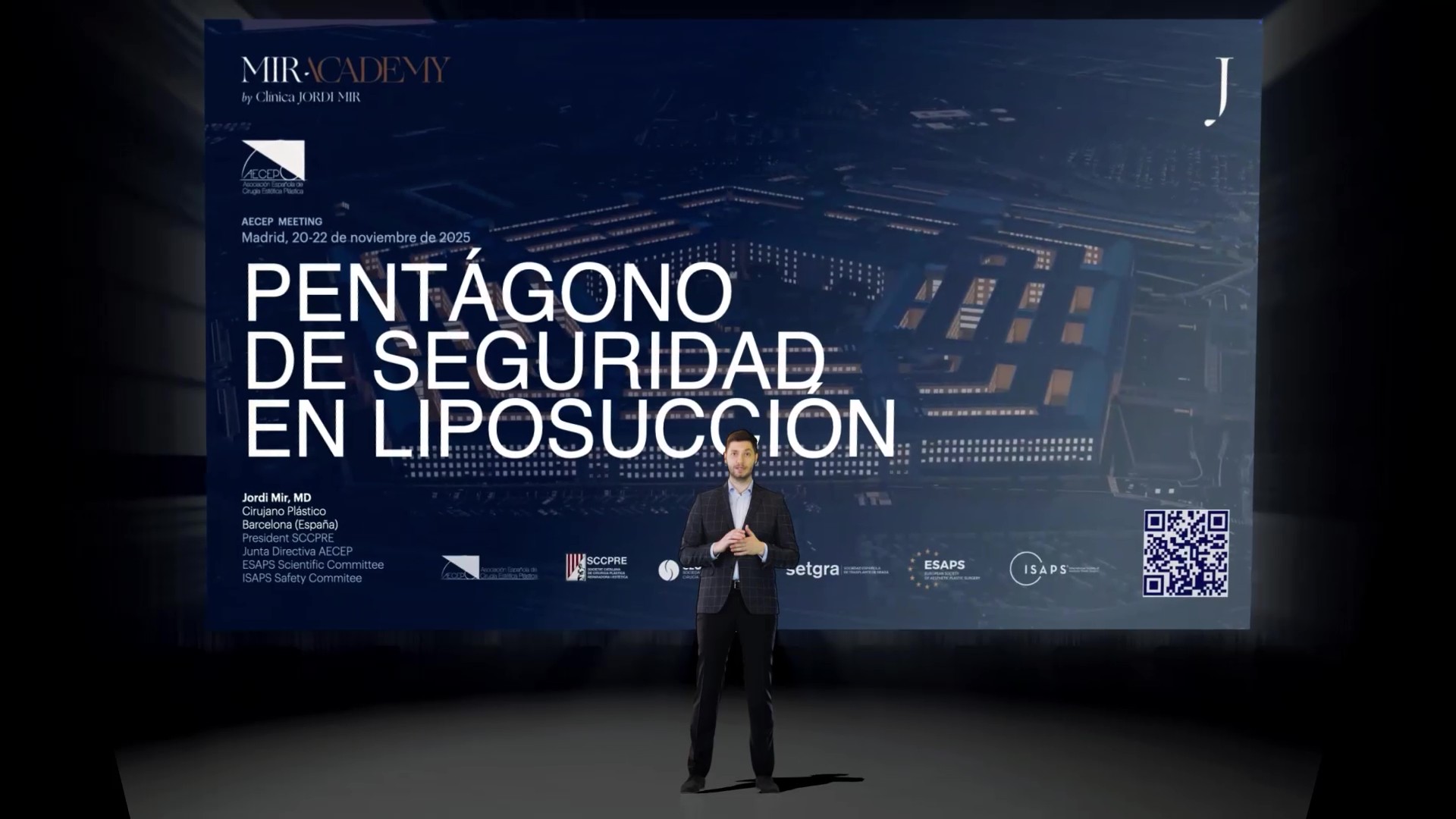
Dr. J. Mir commissioned Pixel Medical Animation to create a 3D presentation for his lecture, which was given in Madrid from November 19th to 21st, 2025. The event was aimed at professionals in cosmetic and plastic surgery.
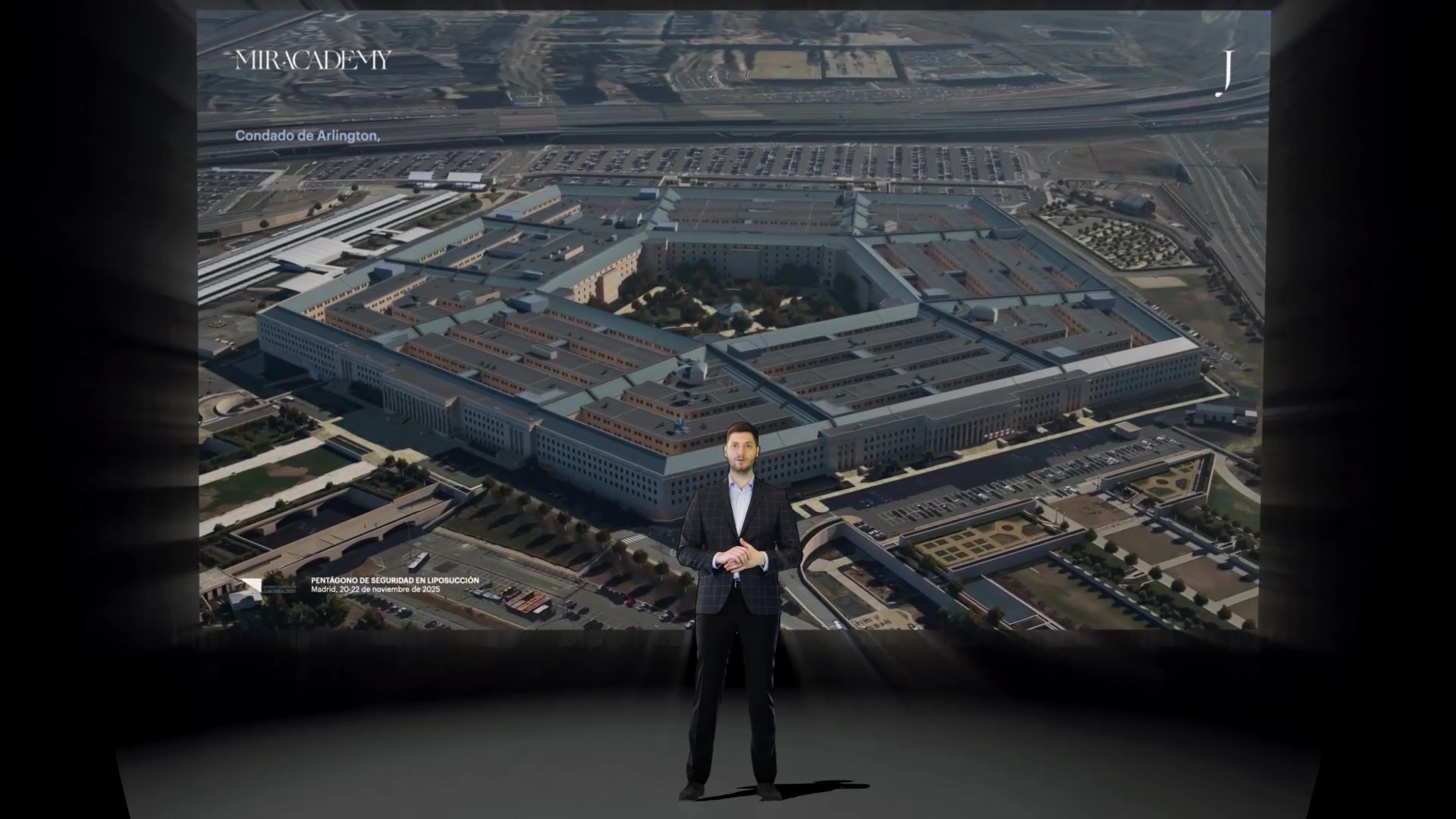
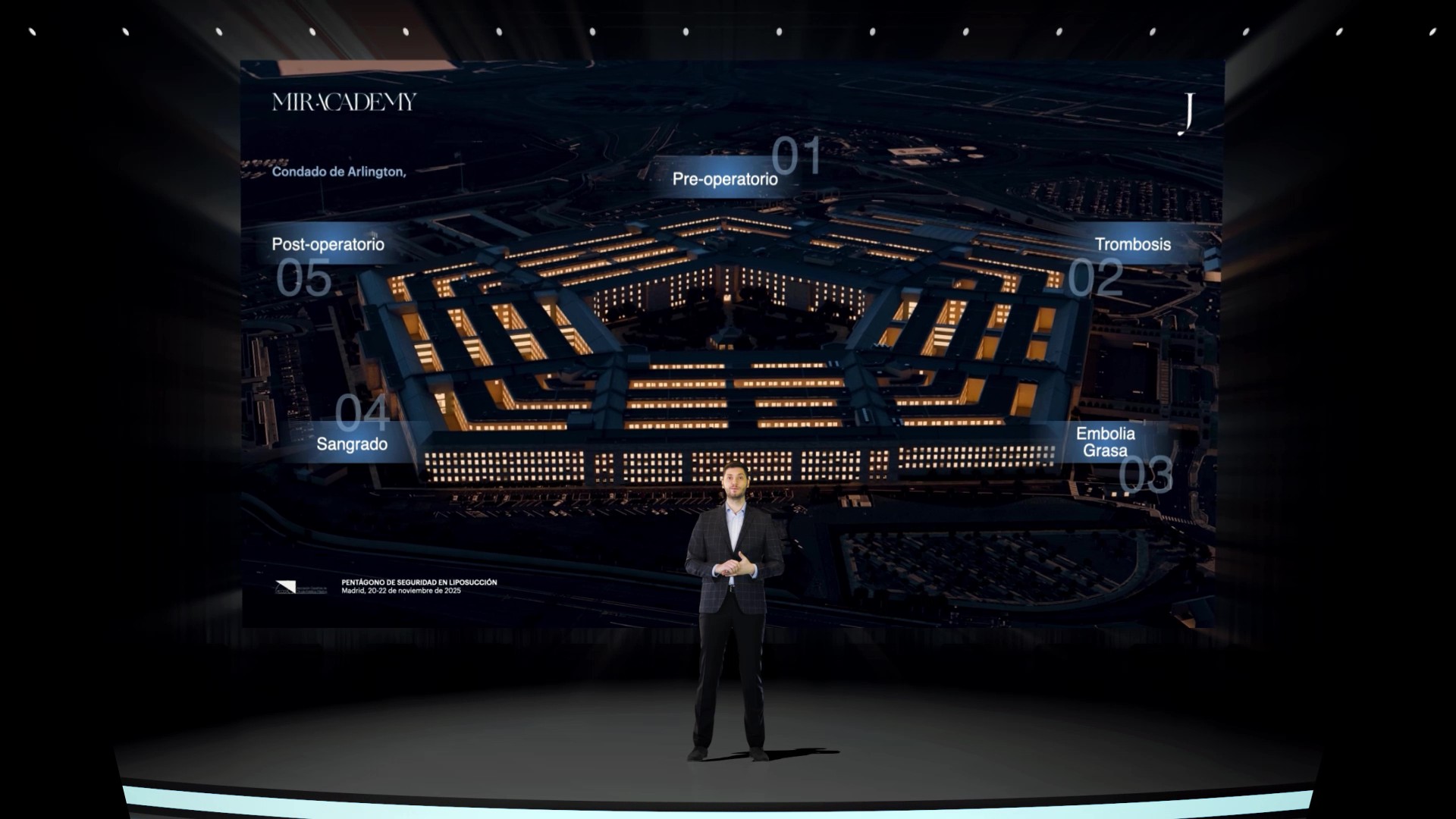
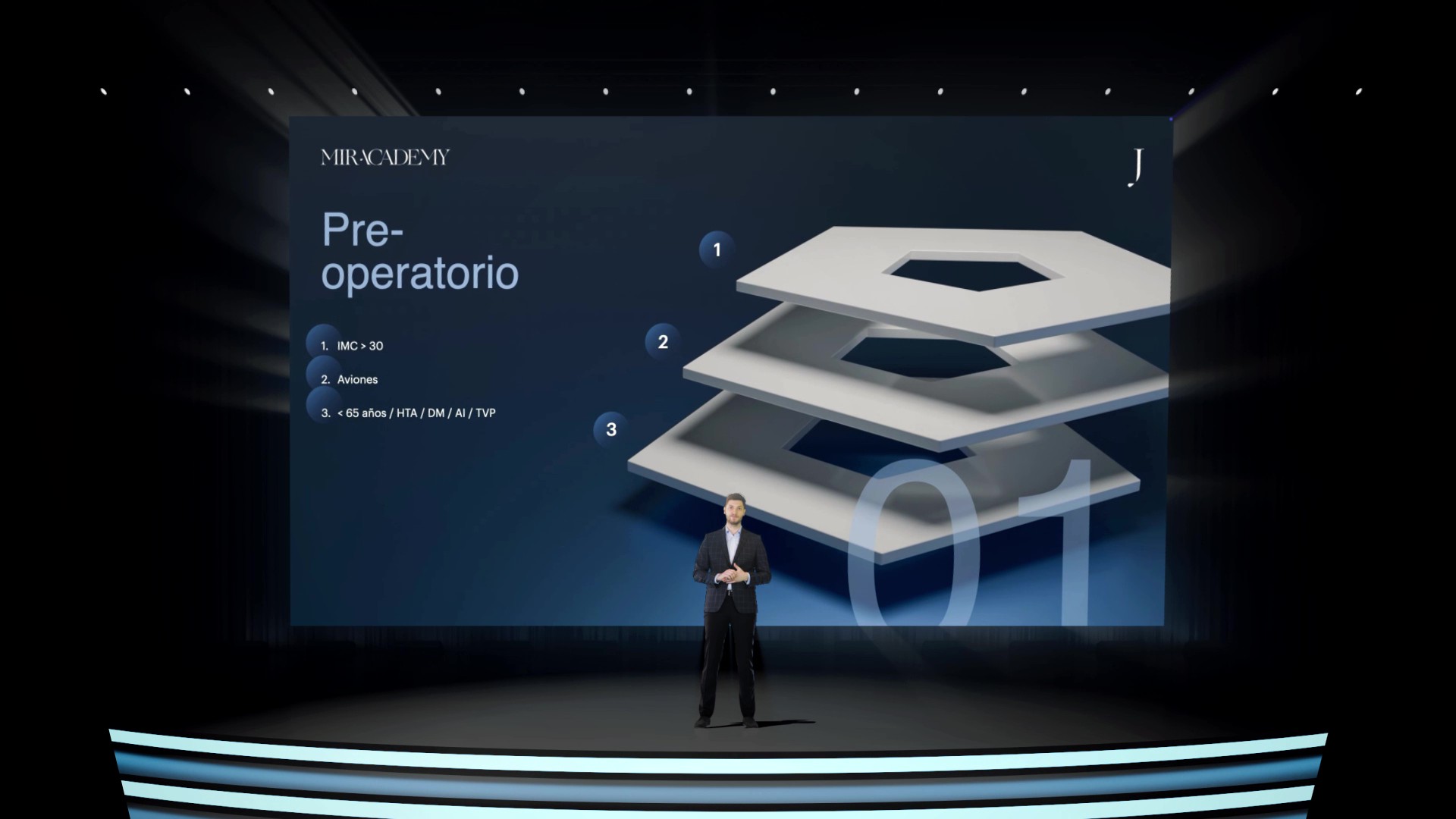
Our objective was to explain the concept of the “liposuction safety pentagon” using 3D animation and drawing a parallel with the Arlington, USA, facility. The congress brought together leading specialists in cosmetic surgery from across Spain.
The summit featured 25 opinion leaders in the field, who shared their experiences and best practices, focusing on the safety and efficacy of the procedure. This meeting provided a platform for physicians to update their knowledge and offered a space for international collaboration in the development of advanced techniques that improve patient outcomes and satisfaction.
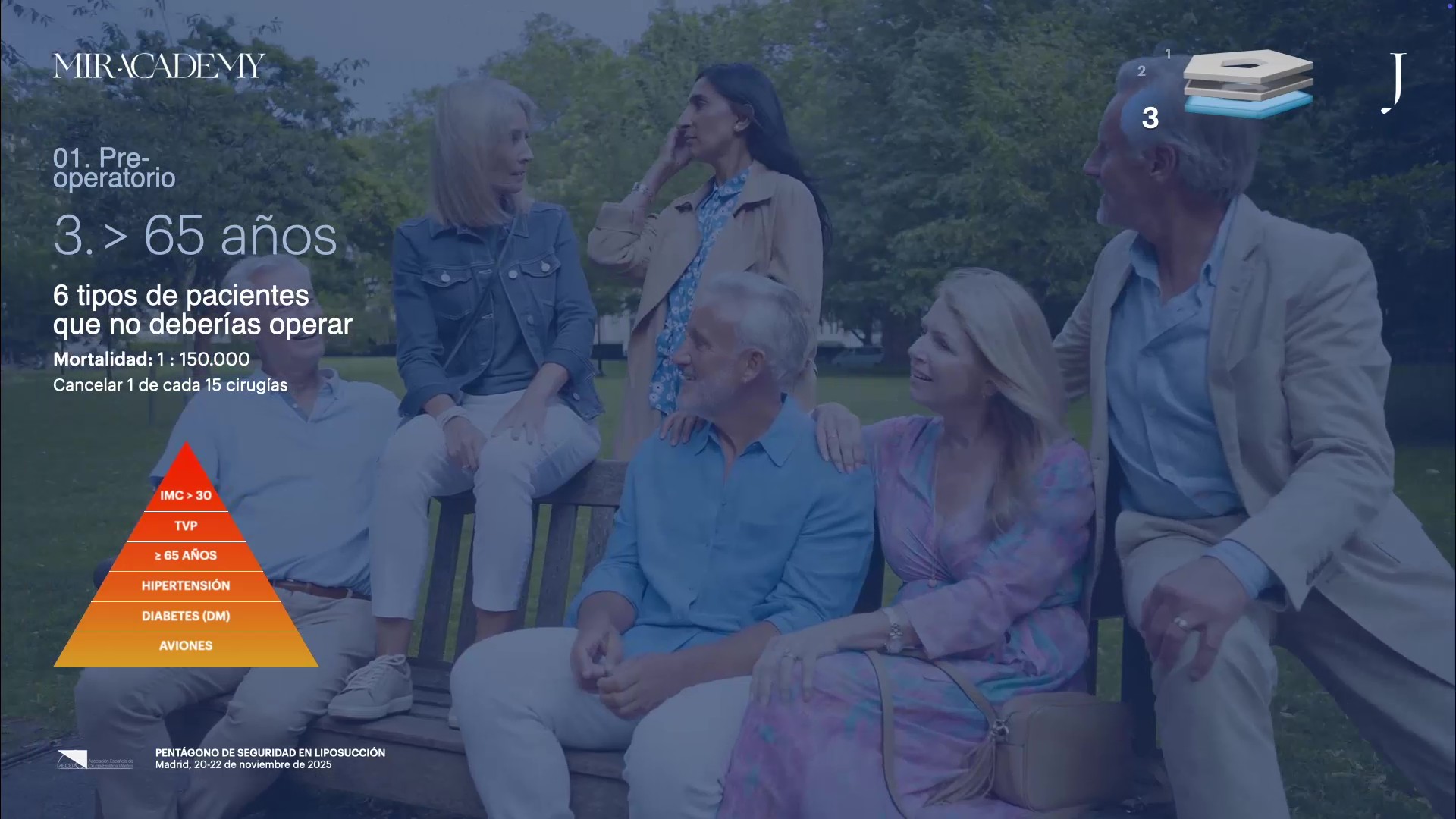
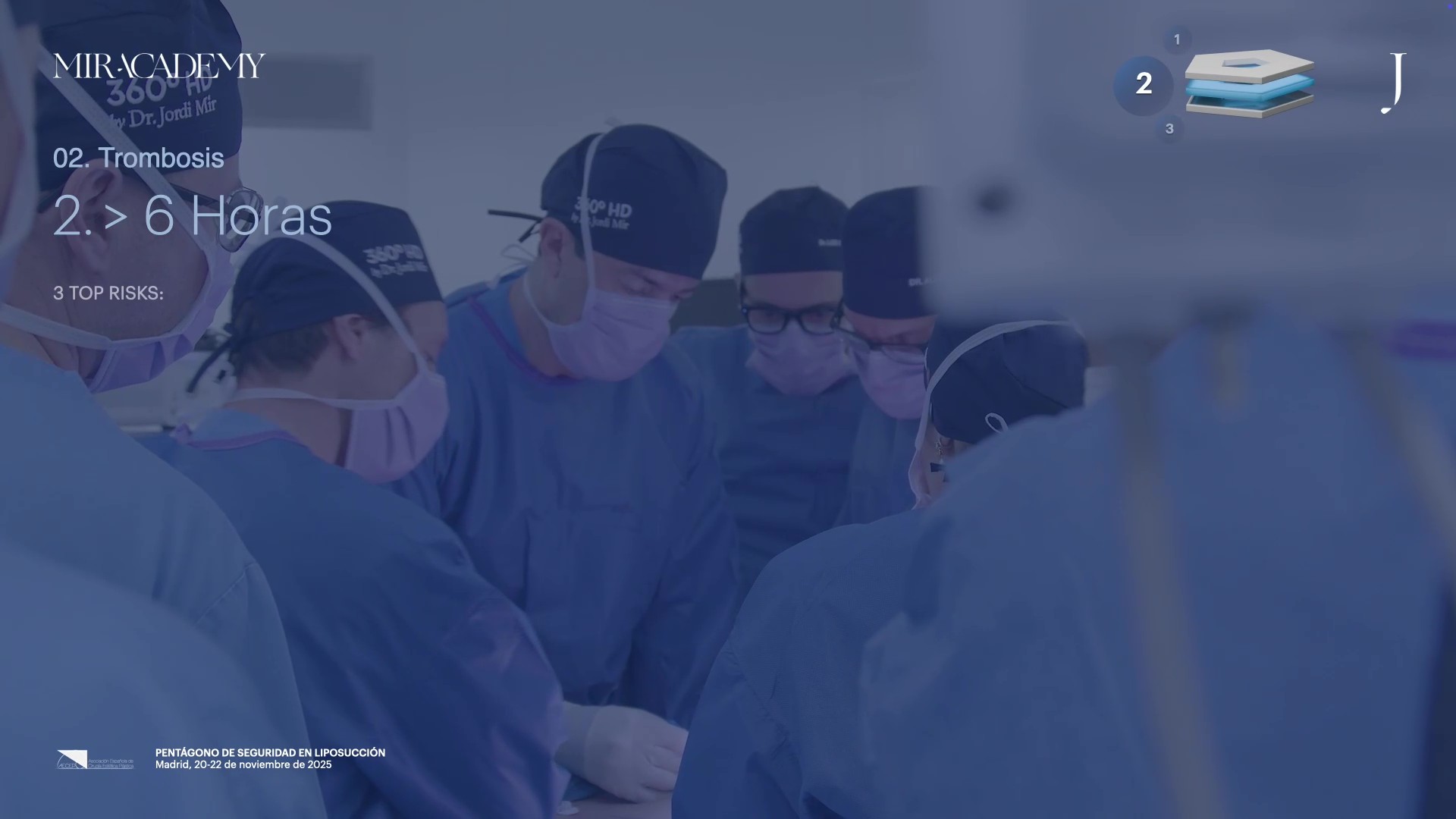
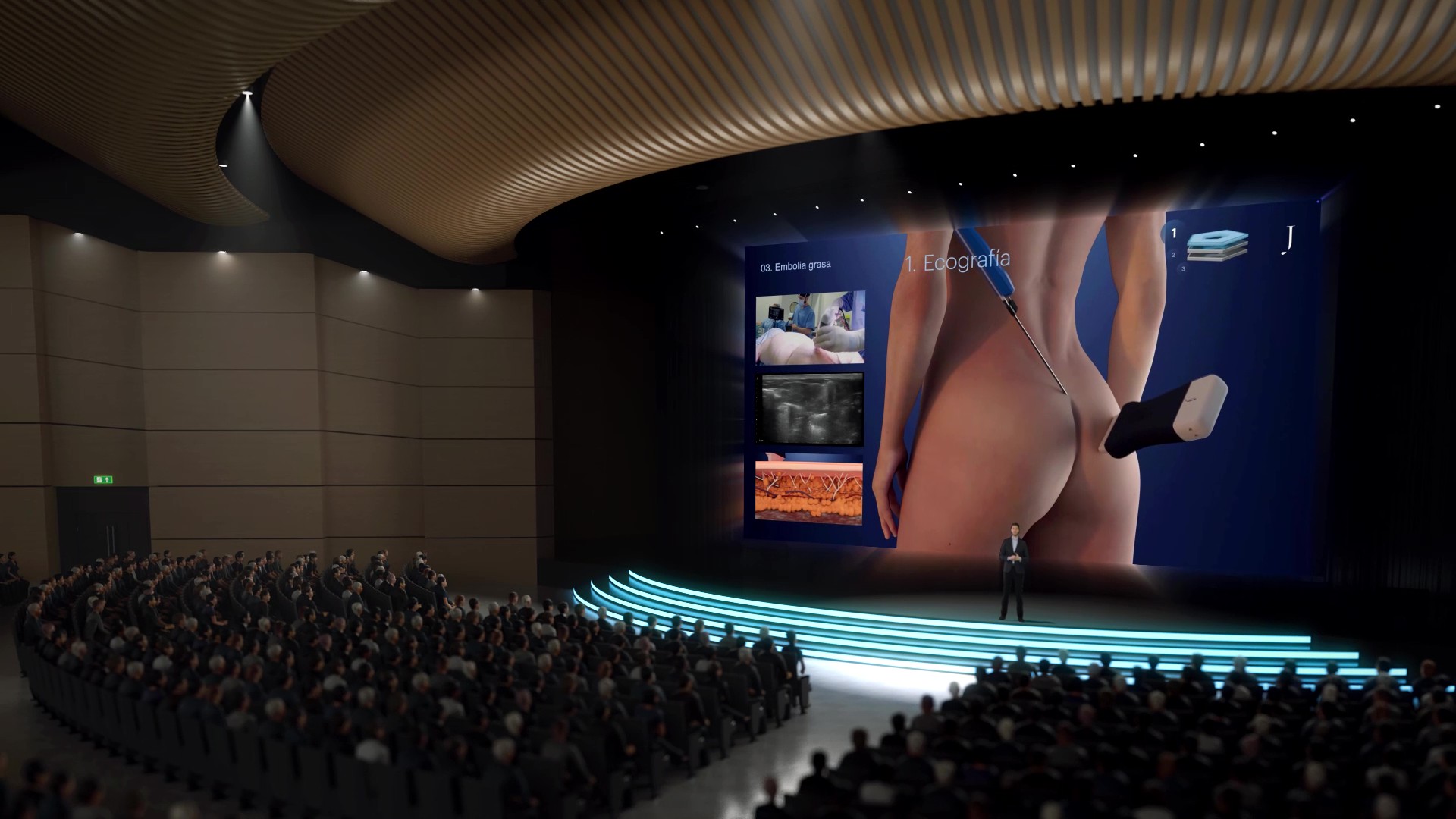

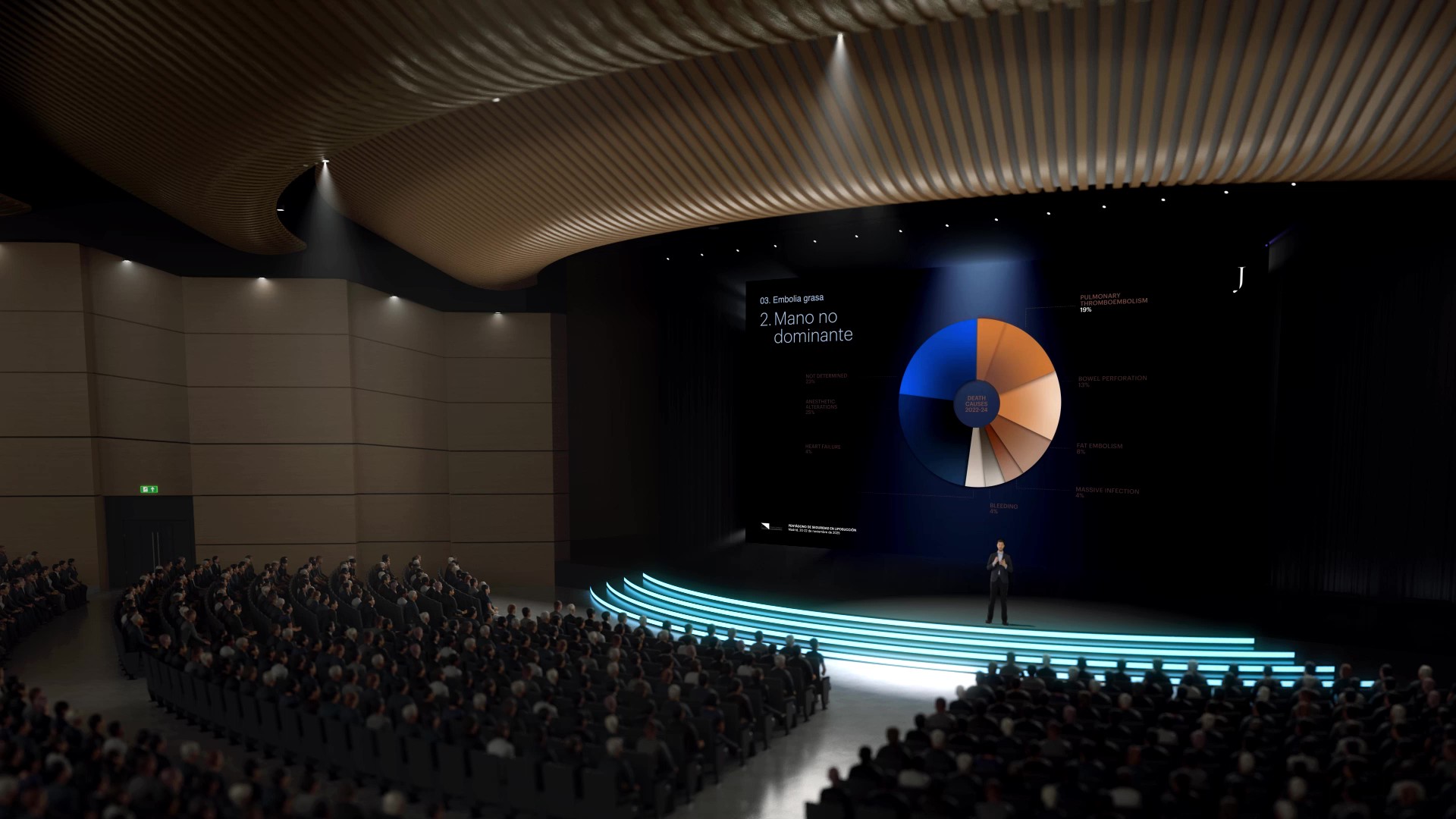
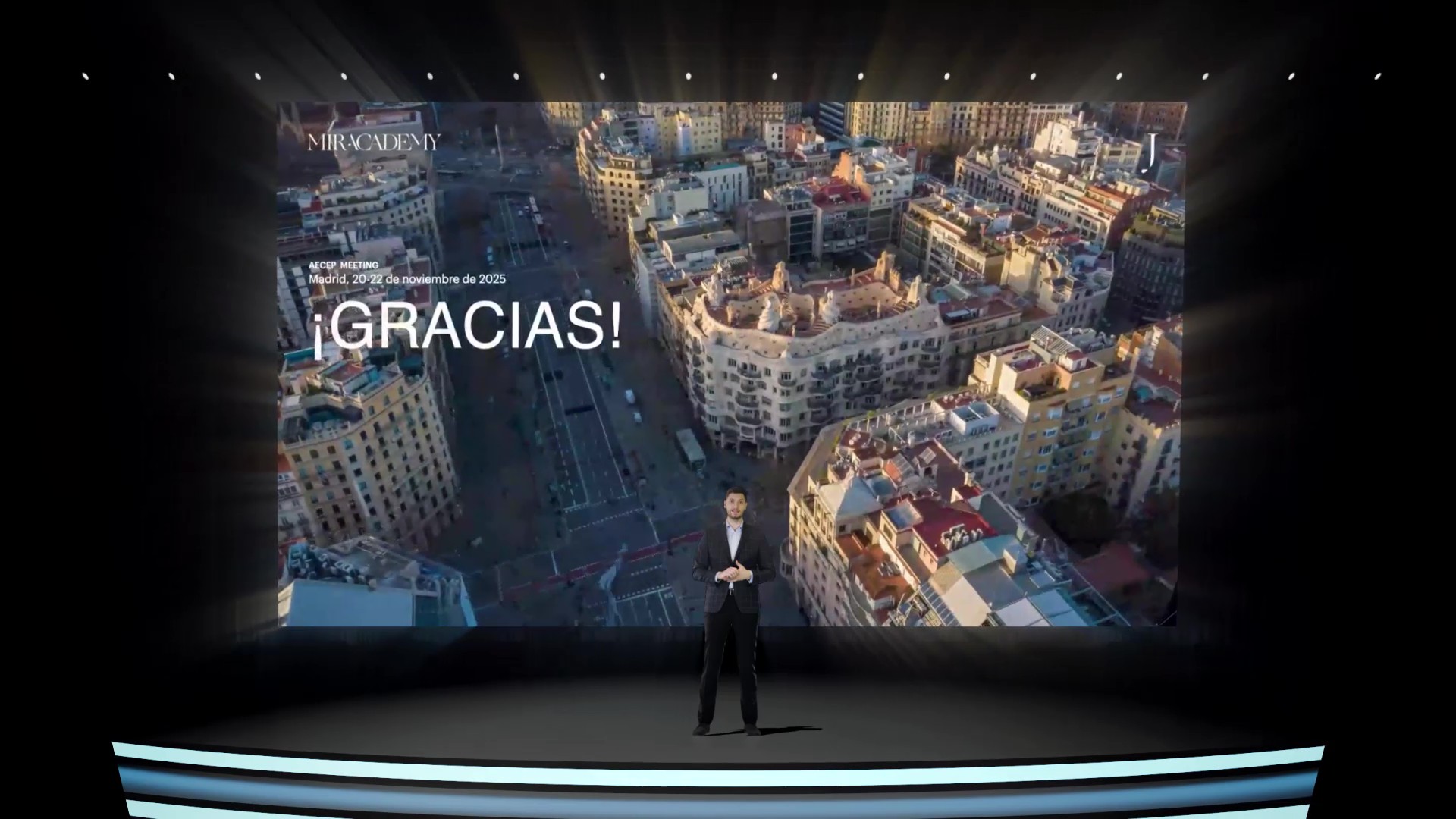
At Pixel Medical Animation we develop advanced 3D surgery solutions that combine visual realism with scientific rigour, supporting education, research and clinical innovation. Our projects range from interactive virtual reality simulations to hyper-realistic animations that explain surgical techniques with complete clarity. That capability lets hospitals, universities and pharmaceutical companies communicate complex processes with impact, improving professional preparation and strengthening patient trust. With a tailored approach, we help drive digital transformation in the healthcare sector.
How we work
How we work
The final material is delivered as high-resolution video, ready to play from the speaker’s laptop or from the congress AV system, and it can be split into blocks if the speaker prefers to pause between concepts.
Once it has been presented at the congress, the same animation can be adapted to other formats: shorter videos for social media, content for the clinic’s website or internal training material, always within the usage rights agreed with the client.
Before that final stage, every scene is reviewed by the surgeon and their team. Our job is to translate the medical knowledge they provide into images, not to replace their clinical judgement.
Frequently asked questions about 3D animation for AECEP 2025
How long does it take to produce a 3D animation like the safety pentagon one?
The timeline depends on clinical complexity and the number of scenes, but on a project with several anatomical sequences like this one the full process — from the scientific script to final delivery in 4K — usually takes several weeks, including at least one round of review with the medical team before the congress.
What does the surgeon contribute during the process?
The surgeon’s role is to validate the scientific content: they review the script, confirm that every anatomical plane and every stage of the procedure is faithfully represented, and approve the final sequence before it is projected to the auditorium. Pixel Medical Animation handles the technical and visual side, but clinical judgement always stays with the specialist.
Is the animation only useful on the day of the congress?
Not necessarily. Once it has been presented at AECEP 2025, the same material can be cut into shorter clips for social media, embedded in the clinic’s website or used as internal training material, always within the usage rights agreed with the client.
How is this different from a virtual reality experience?
A 3D animation is linear content meant to be projected to the whole room, whereas a VR experience is designed for each user to explore individually through a headset. For a talk in front of a large auditorium like AECEP, the linear projected format fits the pace of the presentation better.
What format is the final video delivered in?
Usually as high-resolution video (4K), ready to play from the speaker’s laptop or from the congress AV system, with the option of splitting it into blocks if the surgeon prefers to pause between concepts.
What affects the cost of a project like this?
The budget depends above all on the number of distinct anatomical scenes, the level of detail in the 3D modelling and whether contextual elements are included, such as the reconstruction of a real venue as was done here with the Arlington site. Projects built around a single central concept, like a safety protocol, tend to need fewer scenes than those documenting a full surgical procedure from start to finish.
How is the content adapted for an international congress?
Because these are meetings with specialists from different countries, as at AECEP, voice-over or subtitles in several languages are usually planned from the initial script, so the same animation can later be reused in talks, publications or training aimed at other markets without redoing the modelling or the animation from scratch.
How is the impact of the animation measured after the talk?
Beyond the immediate reaction in the room, many surgeons reuse the same material on their clinic website, on social media or in later presentations to colleagues, so a single production keeps generating value long after the congress date.
If your team is preparing a talk for a medical congress, these are the questions we are asked most often.
About Pixel Medical Animation
Pixel Medical Animation is a studio specialised in visual communication for the healthcare sector, working with clinics, hospitals, universities and pharmaceutical companies such as Abbott, Zeiss, Hipra and Boehringer Ingelheim. Alongside 3D medical animation for congresses like AECEP, we develop augmented and virtual reality, interactive applications, holograms and video production, always with the same aim: turning complex scientific content into clear, rigorous visual formats.
Is your medical team preparing a congress talk?
If you need to communicate a complex surgical procedure, a safety protocol or a scientific concept to a specialist audience, Pixel Medical Animation can help you turn it into a clear, rigorous and visually striking 3D animation, tailored to the format and the running time of your talk.
RELATED PROJECTS
RELATED PROJECTS
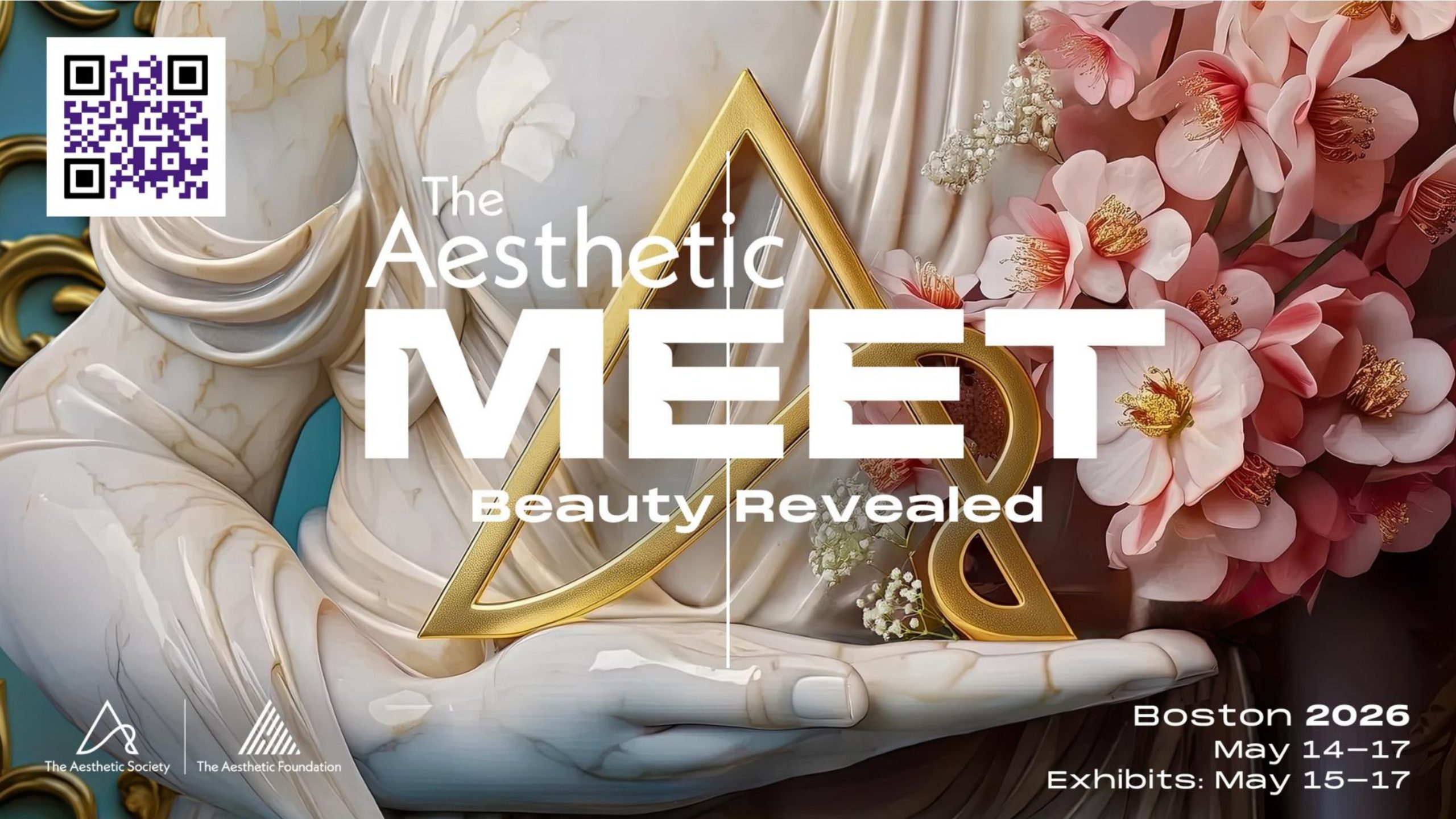
The Aesthetic Meet
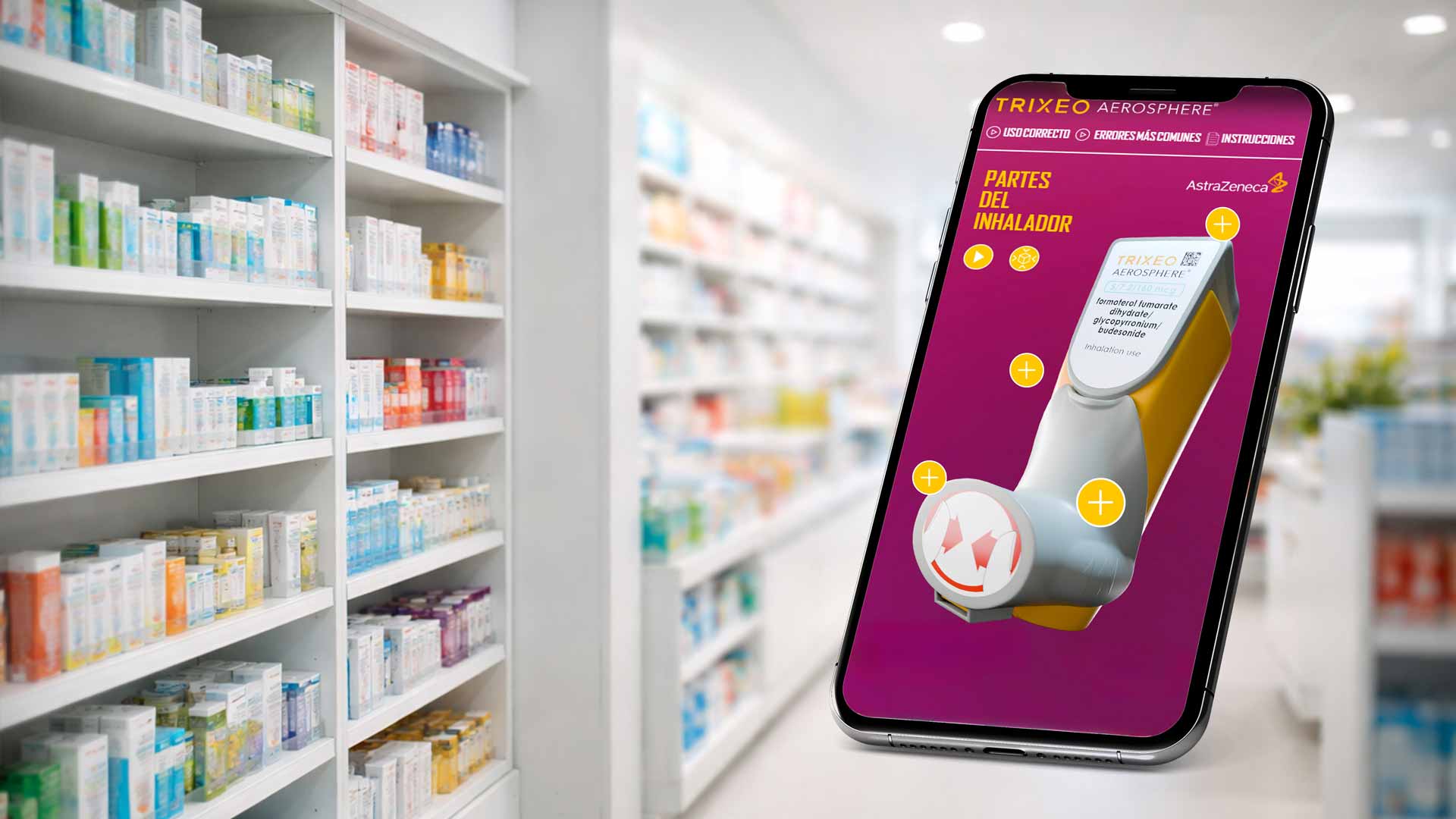
AstraZeneca | Interactive 3D Presentation – TRIXEO Aerosphere Inhaler

Werfen Medical | Augmented Reality for Medical Training & Simulation

Boehringer Ingelheim | 3D Interactive Canine Anatomy App

Hartmann Medical | AR Application – DressBox® Hospital Planning

Novartis Medical | Augmented Reality MOA – Psoriasis

Pharma VR | Virtual Reality to Humanize Hospital Care

SERVICES
- Medical 3D Animation in Boston
- Medical 3D Animation in Miami
- Medical 3D Animation in Los Angeles
- Medical 3D Animation in Minneapolis
- Medical 3D Animation in New York
- Medical 3D Animation in Raleigh Durham
- Medical 3D Animation in Chicago
- Medical 3D Animation in Texas
- Medical 3D Animation in Seattle
- Medical 3D Animation in Washington DC