


──── ABOUT THE SERVICE ────
VIRTUAL REALITY FOR HEALTHCARE AND PHARMA
We develop innovative virtual reality applications designed for marketing, education and scientific communication within the healthcare industry.
Virtual reality in healthcare and pharma is transforming how the medical sector communicates innovation, knowledge and technology.
Through immersive VR environments, hospitals, laboratories and universities can recreate realistic clinical settings for training, research or product demonstrations.
This technology allows users to experience medical procedures, explore anatomy, or interact with 3D models safely — facilitating understanding of treatments, medical devices and pharmacological mechanisms of action.
At Pixel Medical Animation, we design healthcare virtual reality projects that combine scientific rigor with creative visual design. Each experience is crafted to generate impact, enhance communication and build trust across educational, clinical and commercial settings.
HEALTHCARE VIRTUAL REALITY SERVICES
Immersive training and clinical simulators
We create interactive VR simulators that reproduce real medical environments for professional and surgical training.
Healthcare practitioners can practice procedures, assess outcomes and improve performance in a safe, controlled space — reducing risk while increasing knowledge retention.
Interactive presentations and trade fairs
At healthcare congresses and trade fairs, virtual reality captures attention with immersive and memorable experiences.
This technology transforms traditional presentations into impactful events, ideal for showcasing innovation and strengthening brand positioning.
Visualization of medical devices and products
We develop 3D virtual environments that let users observe, manipulate and understand how medical devices or technologies operate.
Displaying equipment at real scale in a virtual setting saves logistics costs and enhances comprehension of complex products.
Remote assistance and training
Virtual reality healthcare simulation enables remote learning and collaboration.
Multiple participants can connect to the same VR space, share 3D models and receive real-time instructions — improving coordination and efficiency across teams.
WHO NEEDS VIRTUAL REALITY HEALTHCARE EXPERIENCES?

Hospitals and clinics
To improve patient communication and provide immersive educational or therapeutic experiences.

Pharmaceutical laboratories
To show mechanisms of action, research processes or new product launches with impactful visual communication.

Universities and research centers
To enhance healthcare education, simulate procedures or create interactive 3D learning environments.

Biotechnology companies
To visualize molecular processes, experimental testing or laboratory innovations in a dynamic and engaging way.
EVIDENCE OF OUR IMPACT
+25
years of experience
+1500
completed projects
+100
clients served
BENEFITS OF VIRTUAL REALITY FOR HEALTHCARE
Visual impact at conferences and congresses
Virtual reality experiences turn scientific events into memorable moments, where immersion and emotion reinforce the message and brand perception.
Immersive and gamified medical training
VR healthcare training simulators let professionals practice diagnostic or surgical techniques safely, improving confidence and retention.
Interactive demonstrations of healthcare products
Viewing equipment or pharmaceuticals in a virtual environment provides an engaging, tangible experience that aids comprehension and decision-making.
Remote collaboration and support
With VR, teams can collaborate across locations, sharing 3D models, procedures and instructions in real time.
Innovation and brand differentiation
Implementing virtual reality for healthcare projects a cutting-edge image and positions companies as technological leaders in the medical field.
VIRTUAL REALITY FOR HEALTHCARE SPECIALTIES
Virtual reality creates immersive 3D environments that allow professionals to explore medical processes with unique visual depth and intuitive understanding.

Anatomy
We recreate human anatomical structures with visual precision and medical rigor, supporting teaching, outreach and clinical practice.

Genetics
We represent mutations, genetic inheritance and gene editing, helping to understand how genetic information influences health and personalized medicine.

Immunology
We illustrate how the immune system works and how the body responds to viruses, bacteria or vaccines, facilitating scientific and medical communication.

Biotechnology
We showcase biotech applications and genetic engineering processes, from cellular manipulation to the creation of new drugs or biological materials.

Oncology
We represent tumor development and the action of oncology therapies, visually explaining research and advances in cancer treatment.

Cardiology
We animate the functioning of the heart and circulatory system, showing pathologies, surgeries and the effects of cardiovascular treatments.

Neuroscience
We visualize the brain and nervous system in action, from neuronal transmission to the effects of drugs or neurological therapies.

Medical devices
We create animations that show in detail how medical equipment, prostheses and advanced healthcare technologies work — both internal and external.
OUR MEDICAL VIRTUAL REALITY PROJECTS

VR Medical Metaverse | Zeiss Medical
Futuristic healthcare metaverse developed for the SEO Ophthalmology Congress, where attendees explored Zeiss equipment in an interactive VR environment.
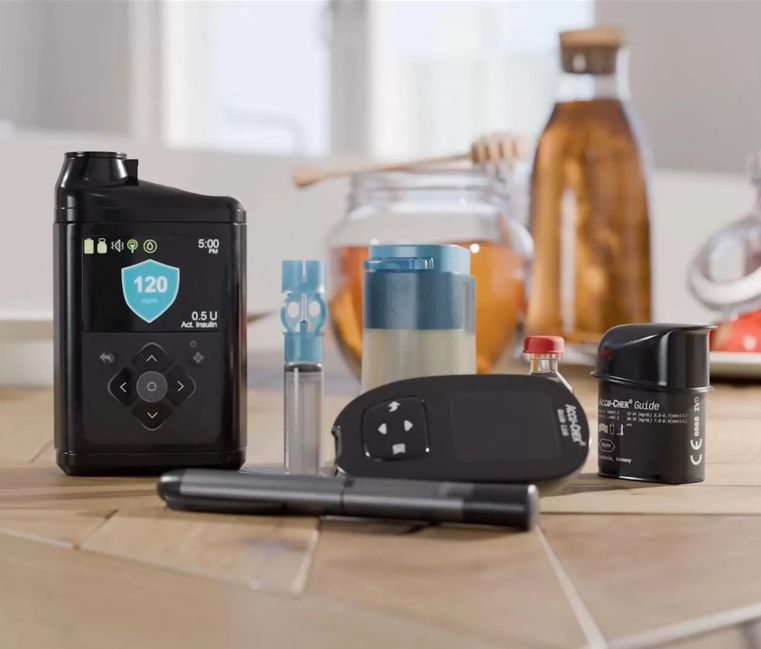
VR Nutrition Game | Medtronic
VR nutrition game for diabetic patients, designed to encourage healthy habits through immersive education and gamification.
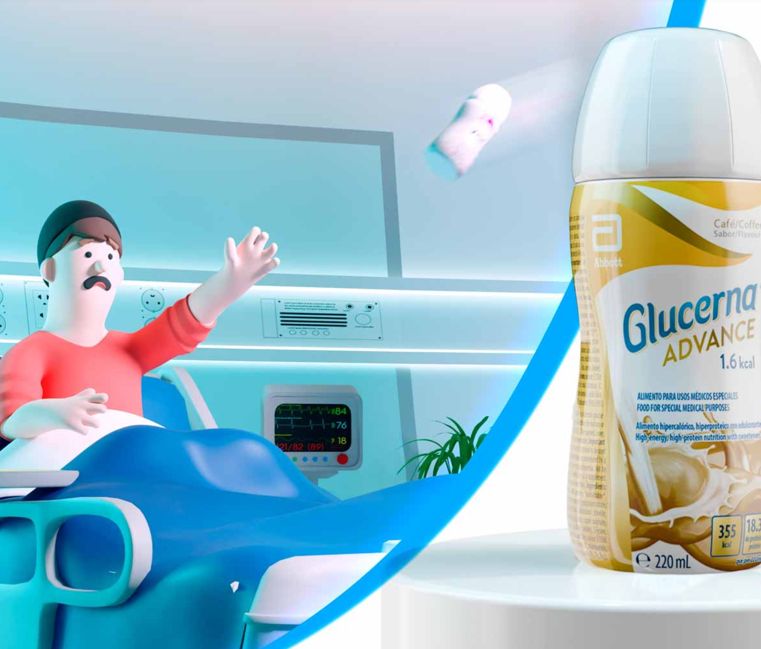
VR Game | Abbott Laboratories
VR skill game for the SEMDOR Congress, showcasing the clinical use of Glucerna in a virtual hospital environment.

Psychological VR Therapy for Oncology
Therapeutic VR experience for pediatric oncology patients, helping reduce anxiety and pain during treatments.
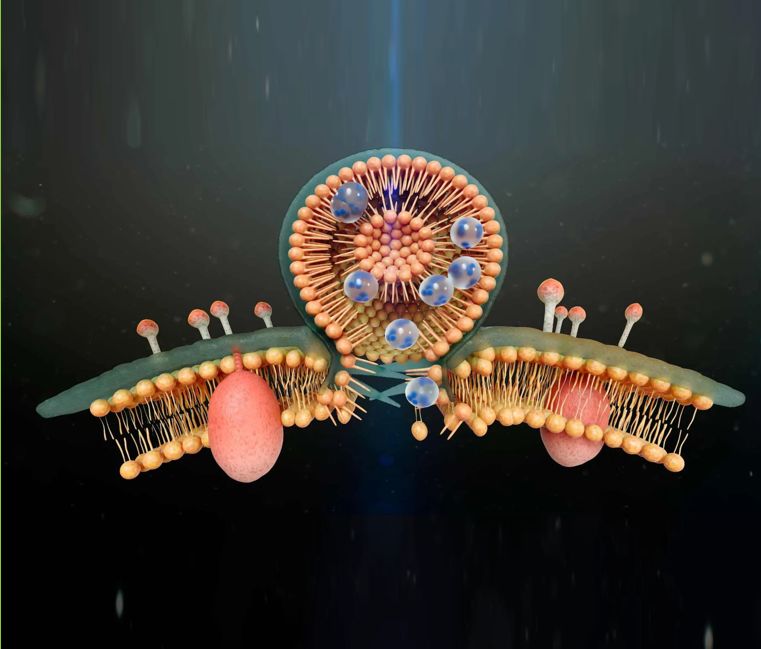
Ozonest Mechanism of Action | Esteve
VR presentation of the mechanism of action for Ozonest, designed for the sales team to improve understanding and commercial impact.

Mechanism of Action | Salvat
VR presentation showcasing the mechanism of action of UVESOL, Salvat’s innovative ocular anti-inflammatory treatment, developed for the CPHI Barcelona congress.
WORK PROCESS
1
Scientific research and scripting
Each project starts with documentation and validation by medical experts, ensuring scientific accuracy throughout development.
2
3D modeling and development
We create detailed medical models and virtual environments, customized to meet each client’s communication or training goals.
3
VR programming and post-production
We integrate animation, interactivity and immersive effects into VR environments optimized for multiple devices and platforms.
FACTORS THAT DETERMINE THE PRICE OF A VIRTUAL REALITY HEALTHCARE PROJECT
Project complexity
Cost depends on the number of scenes, level of interactivity and required visual assets.
Level of detail and realism
The more precise the anatomical or clinical models, the greater the investment in design, animation and scientific validation.
Delivery timeline
Production time varies depending on project scope and technical requirements. Complex immersive environments may take several weeks to develop.
FAQS
How much does a virtual reality project for healthcare cost?
It depends on the level of interactivity, duration and technical complexity. Each project is customized.
How long does it take to produce?
The production timeline usually ranges from 4 to 12 weeks, depending on the project’s scope and required resources.
What usage rights does the client receive?
The client is granted full usage rights to showcase the animation at trade shows, presentations, websites, social media, and in all corporate communications.
Which devices are supported?
We work with major VR headsets such as Meta Quest or HTC Vive, adapting each experience to client specifications.
How long does development take?
Simpler VR projects can be completed in a few weeks, while detailed simulations require longer production times.
Can interactivity or gamification be included?
Yes. We develop interactive and gamified healthcare experiences where users can explore, manipulate objects and complete learning challenges.
How is scientific accuracy ensured?
All simulations and animations are reviewed by medical professionals to maintain scientific rigor and reliability.
Contact
Contact Us
Contact
Contact Us
Boston, Massachusetts, USA
T: (+1) 617 351 8477
M: (+1) 484 473 1704
info@pixel-medical-animation.com
Business Hours:
Mon-Fri: 9am-6pm (local time)
How can we help you?

SERVICES
- Medical 3D Animation in Boston
- Medical 3D Animation in Miami
- Medical 3D Animation in Los Angeles
- Medical 3D Animation in Minneapolis
- Medical 3D Animation in New York
- Medical 3D Animation in Raleigh Durham
- Medical 3D Animation in Chicago
- Medical 3D Animation in Texas
- Medical 3D Animation in Seattle
- Medical 3D Animation in Washington DC