Patient Education Animation for Diabetes Care — Medtronic Insulin Pump
PATIENT EDUCATION VIDEOS
About the Project
About the Project
The Pixel Medical Animation Solution
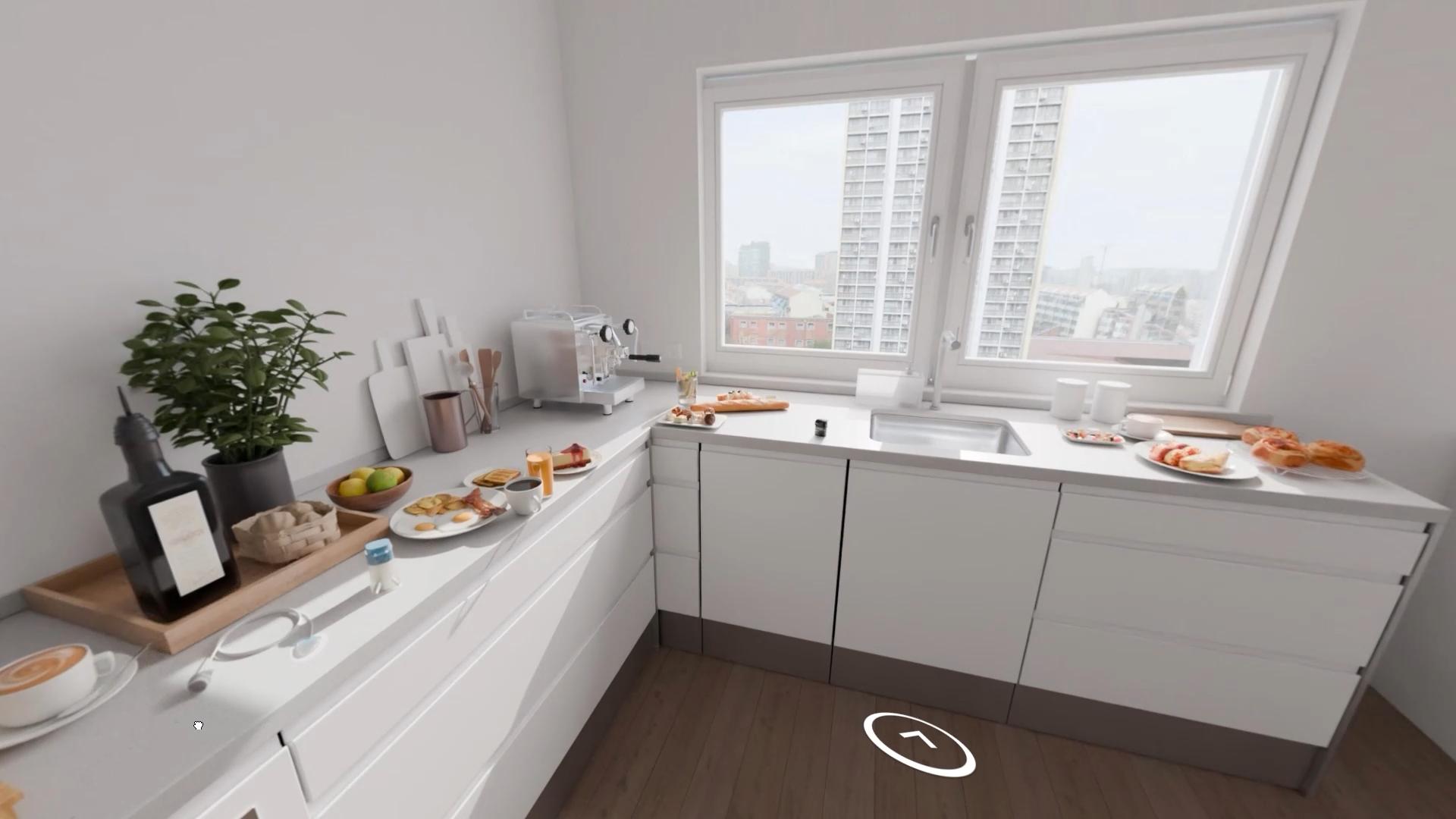
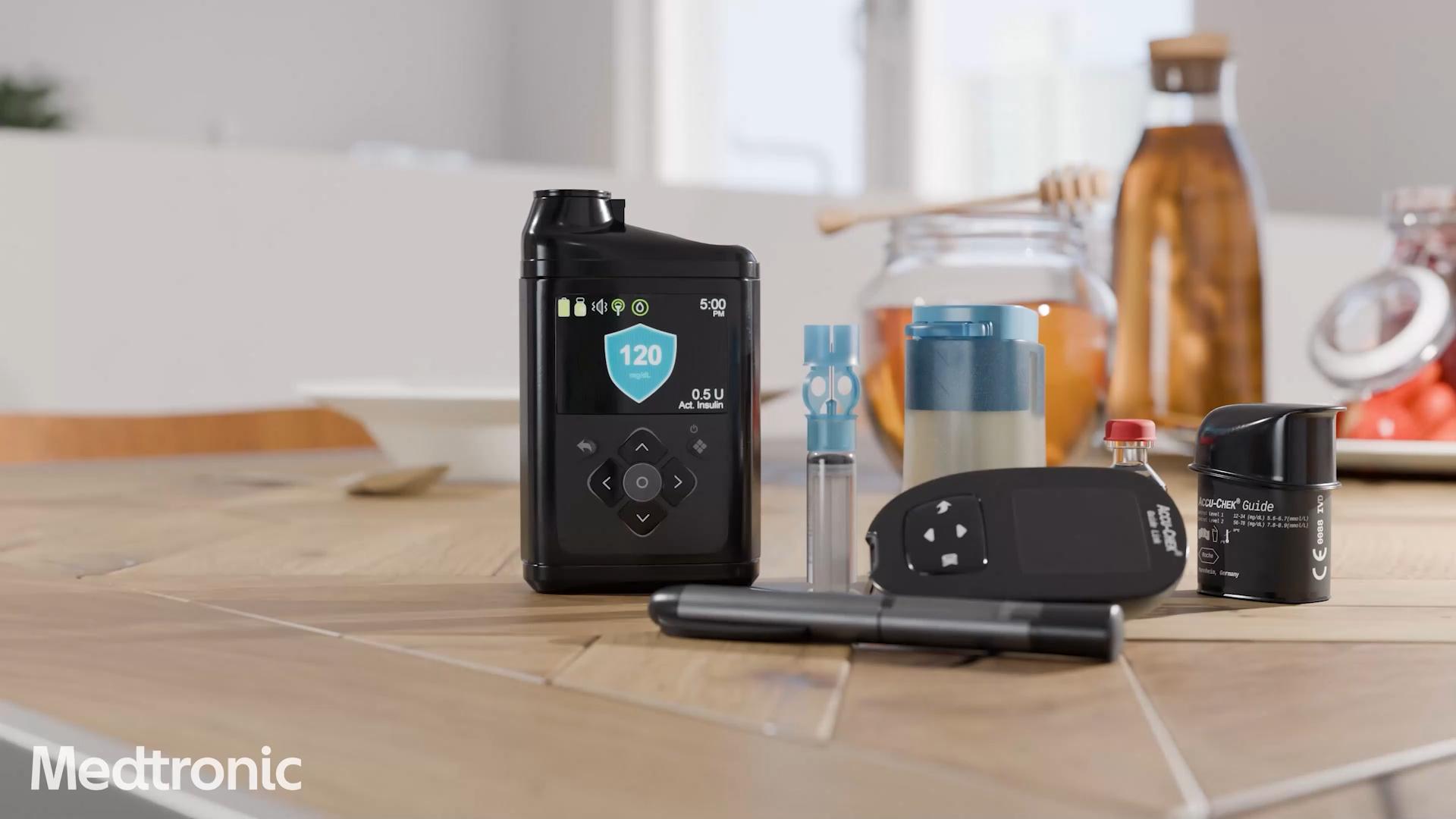
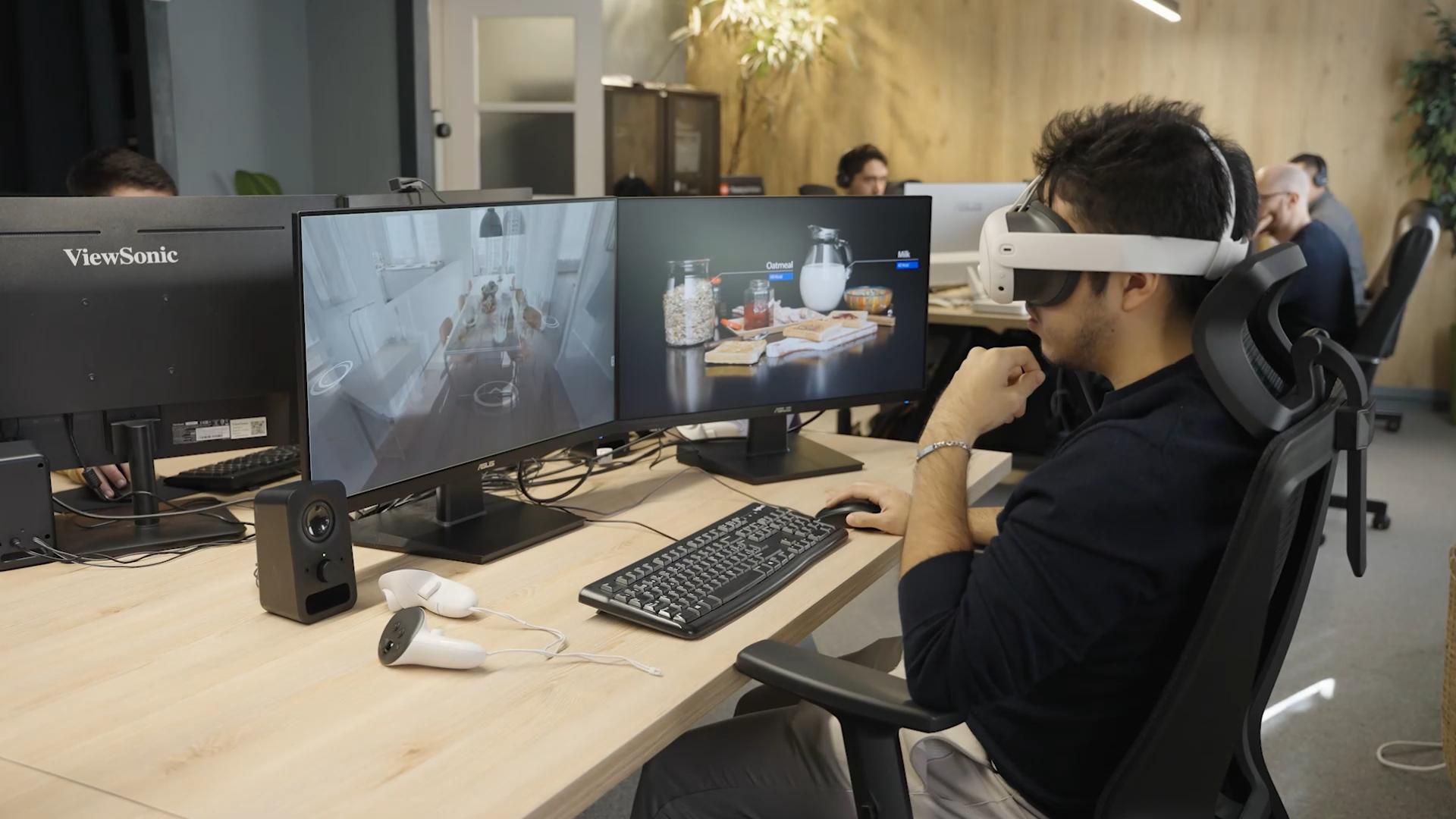
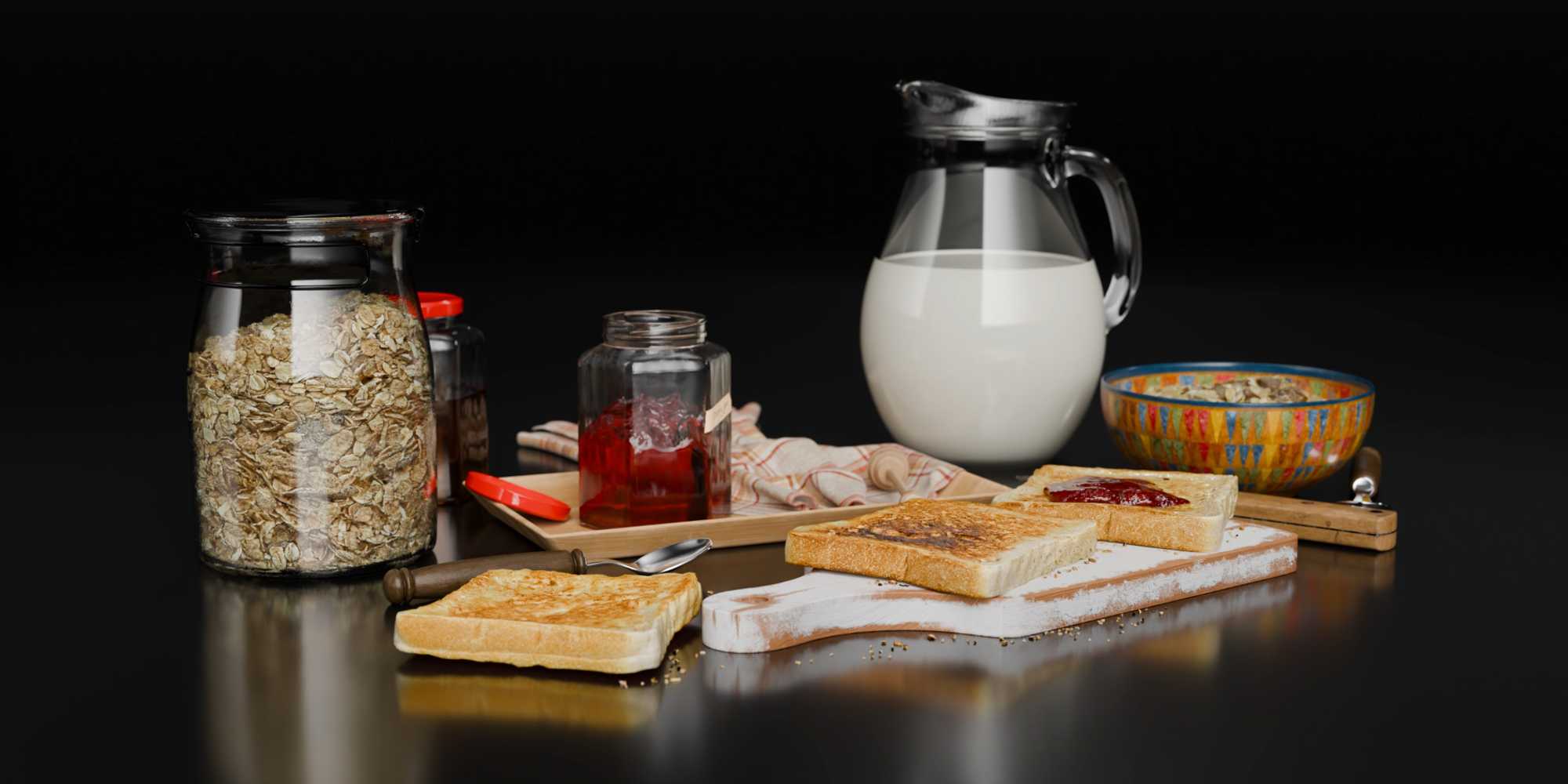
We created a gamified web experience where the user faces a clear challenge: to maintain stable glucose levels to avoid collapse. The game mechanics are based on moving through a 360º environment, searching for healthy foods that help balance blood glucose levels, while avoiding those that could trigger a dangerous spike.The narrative places the player in the shoes of someone with type 1 diabetes in everyday situations: walking around the city, attending a meal, or exercising. Every decision matters. Through free exploration and interactive points (hotspots), the user learns which foods are suitable, which mistakes to avoid, and how food affects their daily well-being.The design is fully aligned with Medtronic’s visual identity and combines modern aesthetics, animated characters, sound effects and practical tips that reinforce intuitive learning.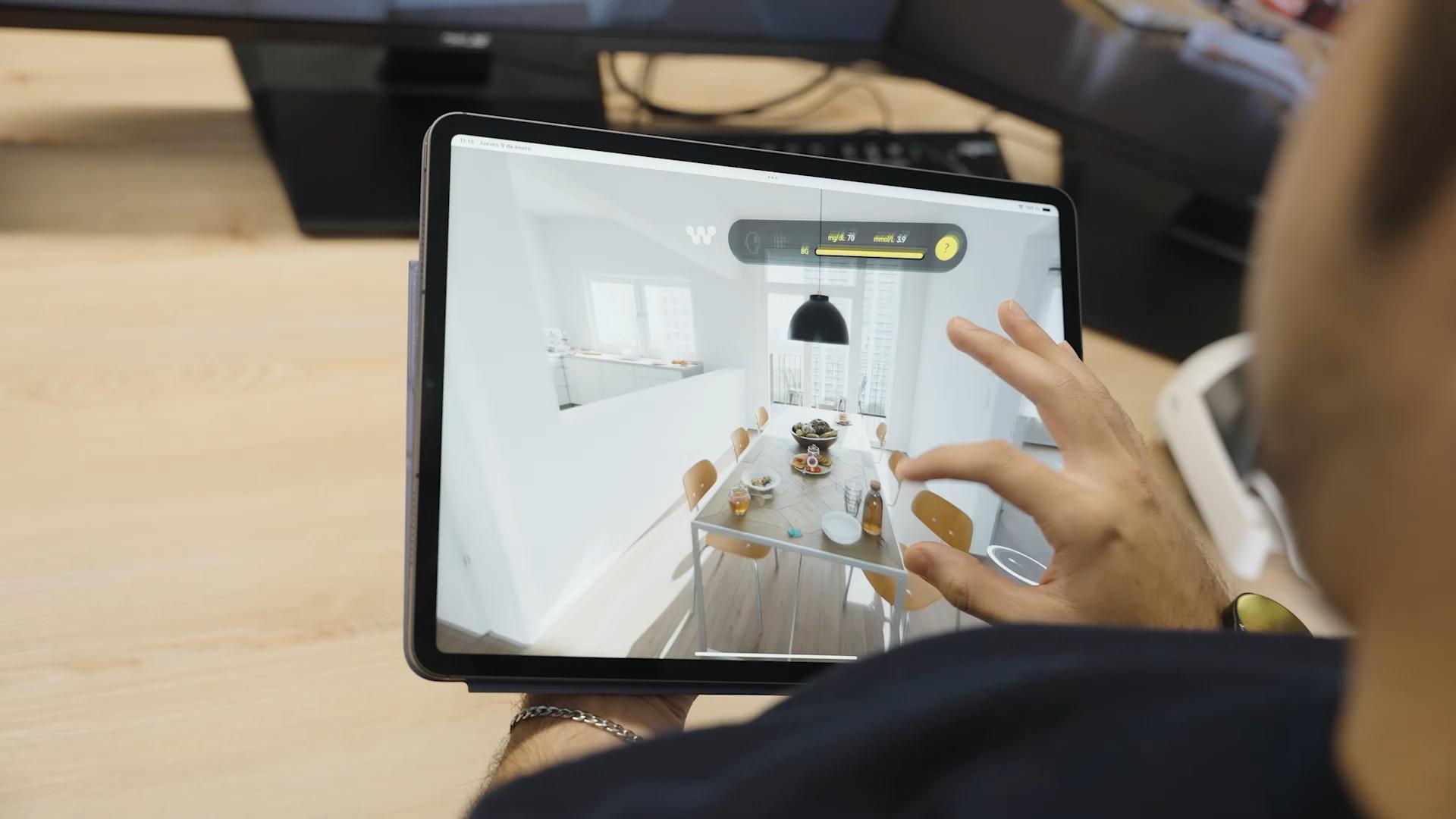
DESIGN AND TECHNOLOGY TAILORED TO YOU
From concept to multiplatform web deployment.
We handle the script, visuals, game mechanics and technical support.Results
Results
Education on Healthy Habits
A fun and visual way to learn which foods help maintain optimal glucose levels.Total Immersion without the Need for Glasses or Installation
100% web format, accessible from any browser on desktop, tablet or mobile.Gamified Narrative with Emotional Impact
The player is actively involved in the experience, which helps retention and awareness.Supporting Medtronic’s Mission
The experience reinforces Medtronic’s mission to educate, prevent and improve the quality of life for people with diabetes.SERIOUS GAMES FOR HEALTH
Gamification for Awareness
We create interactive experiences that educate while entertaining.LEARN BY PLAYING
360° Environments for Prevention and Health Education
Immersive simulations designed to reinforce healthy habits and decisions.AWARENESS AND TECHNOLOGY UNITED
Education for Patients and Families
Ideal for informational campaigns, school activities, events and clinical support materials.What changes when the audience is the patient and not the professional
The same clinical content produces two very different pieces depending on who is watching. A professional wants precision, nomenclature and the limits of the evidence. A patient wants to know what this means for their day: what to do at a meal, before exercise, when something goes wrong. The Medtronic project is a clear example: instead of explaining how a pump that adjusts insulin every five minutes works in technical terms, the experience puts the player in everyday situations — walking around the city, sitting down to a meal, exercising — and lets them see how each decision plays out.
That shift also changes the technical decisions. A patient piece has to reach someone who is not in a hospital and not motivated to install anything, so the experience was built as a 100% web format, playable in any browser on desktop, tablet or mobile, with no glasses and no installation. Reach matters more than fidelity here: the most accurate piece nobody opens teaches nothing.
Frequently asked questions about patient education animation
Who decides the clinical content?
Your medical team, always. We do not decide what a patient should be told about a therapy or a device; we take the content the client’s medical and regulatory teams validate and work out how to make it understandable and memorable. Where the two things collide — a simplification that would change the meaning — the clinical accuracy wins and we find another way to tell it.
Why a game rather than a video?
Because some things are only learned by deciding. Knowing that a food raises glucose is information; choosing it and seeing the consequence is an experience. When the objective is a behaviour rather than a fact, the interactive format usually holds better. When the objective is to explain a mechanism or a procedure the patient cannot influence, a linear animation is clearer and cheaper.
Does an interactive format work for older or less digitally confident patients?
Not always, and it is worth deciding this before designing. Free exploration works when the person is comfortable moving at their own pace. For audiences less at ease with interaction, the same content delivered as a short animation with a clear voice-over tends to work better, and both versions can be produced from the same assets.
Can it be used in consultation and not only at home?
Yes, and they are different edits. In consultation the professional needs something that lasts two minutes and can be paused to answer a question; at home the patient can spend longer and explore. The same experience usually supports both if that is planned from the start.
What about accessibility?
It has to be assumed, not added later: subtitles so it works with the sound off, text sizes that survive a phone screen, contrast that survives bad lighting, and no meaning carried by colour alone. These decisions cost almost nothing at the design stage and are expensive to retrofit.
Can it be produced in several languages?
Yes. Text, voice-over and interface labels are kept as replaceable layers, so additional languages do not require rebuilding the experience — only translation and a round of testing to check that longer strings still fit the interface.
Does it collect data about the patient?
An educational experience does not need to identify anyone in order to work, and our starting assumption is that it should not. If your team needs to know whether the material is being used, that can be answered with aggregate figures — sessions started, sections completed — rather than with anything personal. Whatever is measured has to be agreed with your legal and compliance teams before it is built, not after.
How is it distributed to patients?
Usually as a link from the brand’s own site, a QR code on printed material or at the clinic, or a link included in the material a professional hands over. The web format exists precisely so that none of those routes requires the patient to install anything.
Can the visual identity of our brand be respected?
Yes, and it is normally a requirement. The Medtronic experience was fully aligned with the brand’s visual identity, combining its colours and design with animated characters, sound effects and practical tips. Working inside an existing brand manual is part of the job, not an obstacle to it.
Is this the same as an interactive application?
It is one form of it. We cover this ground under interactive 3D applications; the patient-education part is the choice of audience and tone, not a different technology.
If you need patients or their families to understand a therapy, a device or a daily routine, at Pixel Medical Animation we start from the content your medical team has validated and design the format around the person who has to use it.
RELATED PROJECTS
RELATED PROJECTS
The Aesthetic Meet
AstraZeneca | Interactive 3D Presentation – TRIXEO Aerosphere Inhaler

Werfen Medical | Augmented Reality for Medical Training & Simulation

Boehringer Ingelheim | 3D Interactive Canine Anatomy App

Hartmann Medical | AR Application – DressBox® Hospital Planning

Novartis Medical | Augmented Reality MOA – Psoriasis

Pharma VR | Virtual Reality to Humanize Hospital Care

SERVICES
- Medical 3D Animation in Boston
- Medical 3D Animation in Miami
- Medical 3D Animation in Los Angeles
- Medical 3D Animation in Minneapolis
- Medical 3D Animation in New York
- Medical 3D Animation in Raleigh Durham
- Medical 3D Animation in Chicago
- Medical 3D Animation in Texas
- Medical 3D Animation in Seattle
- Medical 3D Animation in Washington DC